Saudi National Day: What Joyful National Pride Tells Western Business
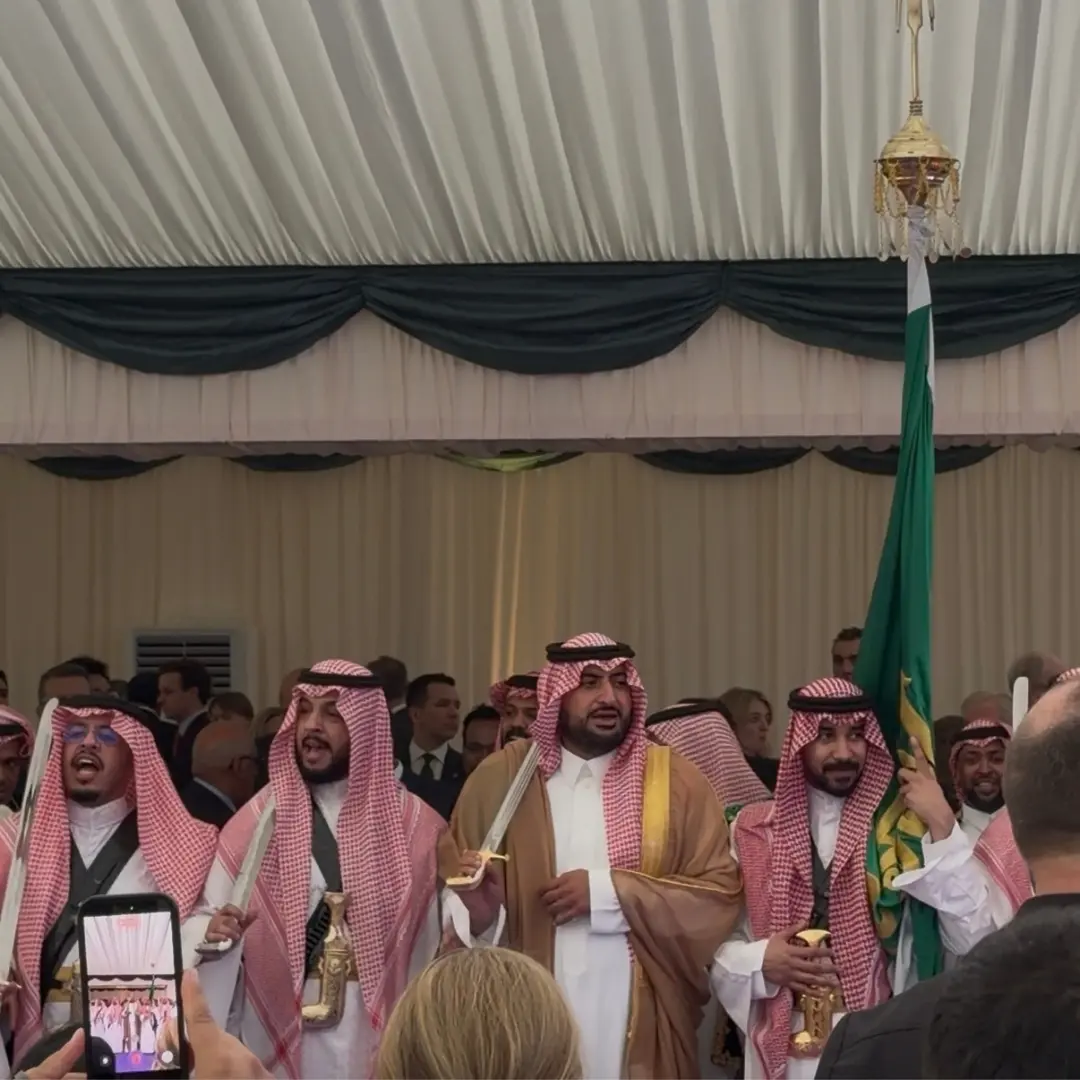
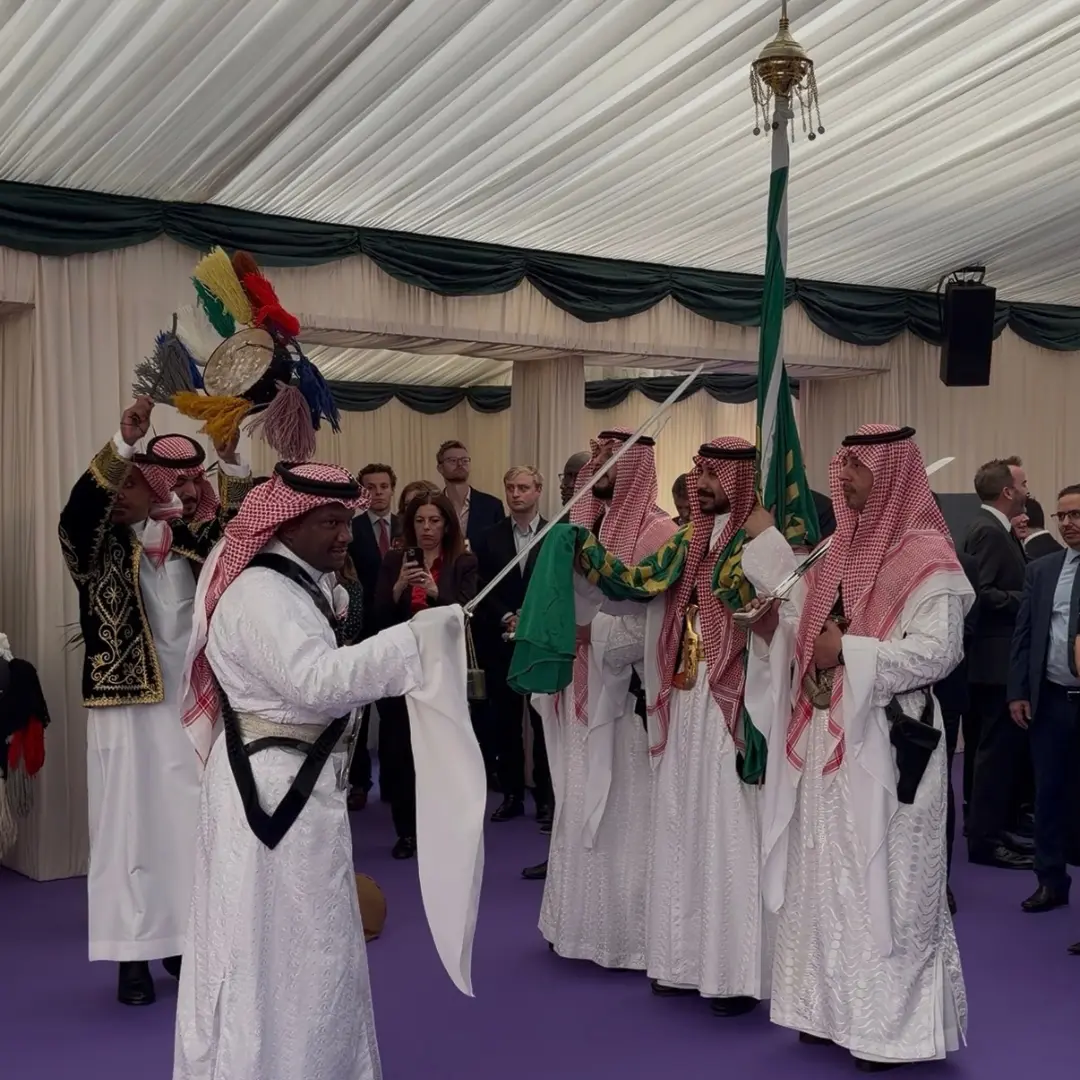
The Ambassador was dancing. Not a polite sway at the edge of the room. His Royal Highness Prince Abdullah bin Khalid bin Sultan, Saudi Arabia’s Ambassador to the United Kingdom, was in the middle of the floor at the Embassy’s Saudi National Day celebration in London, and the room moved with him.
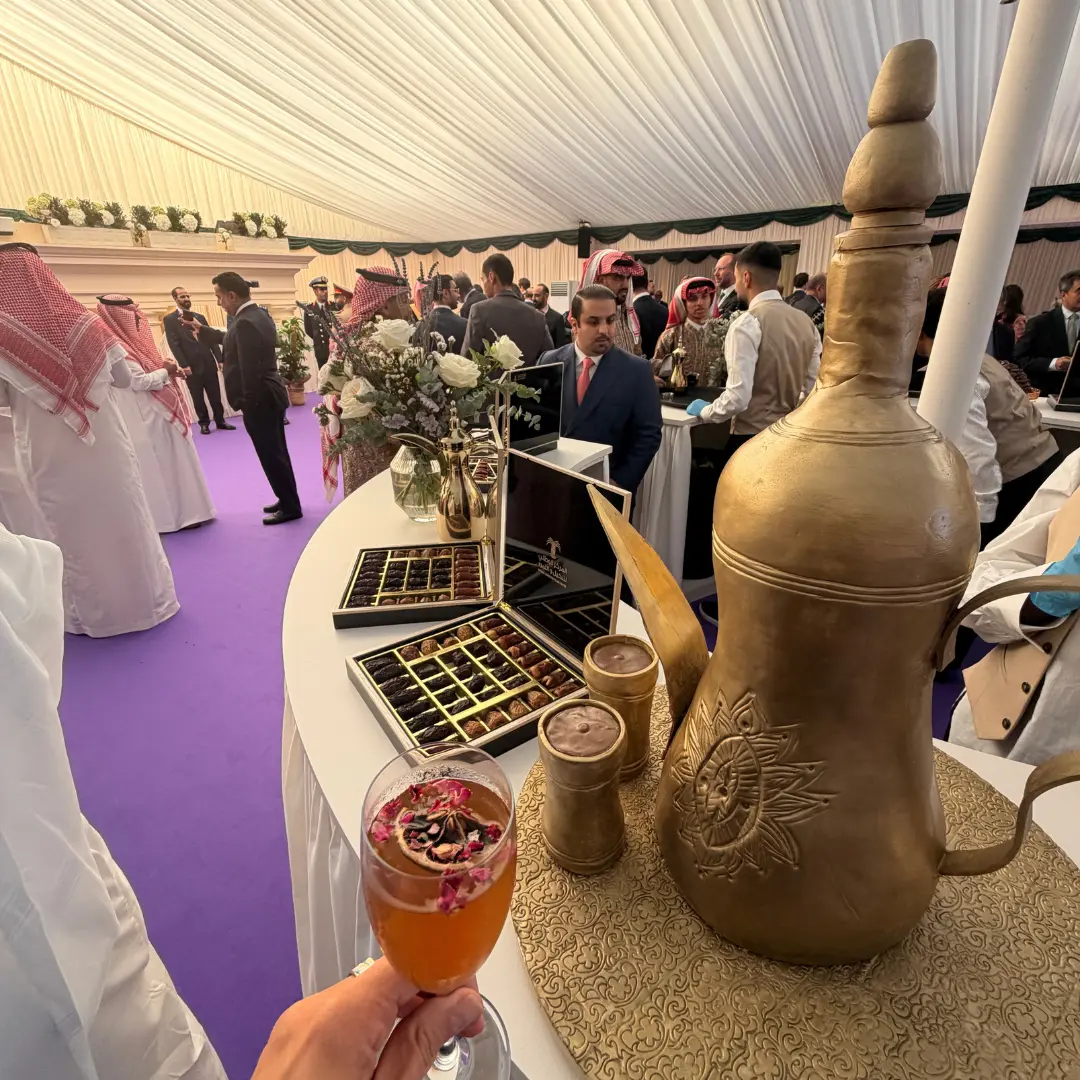
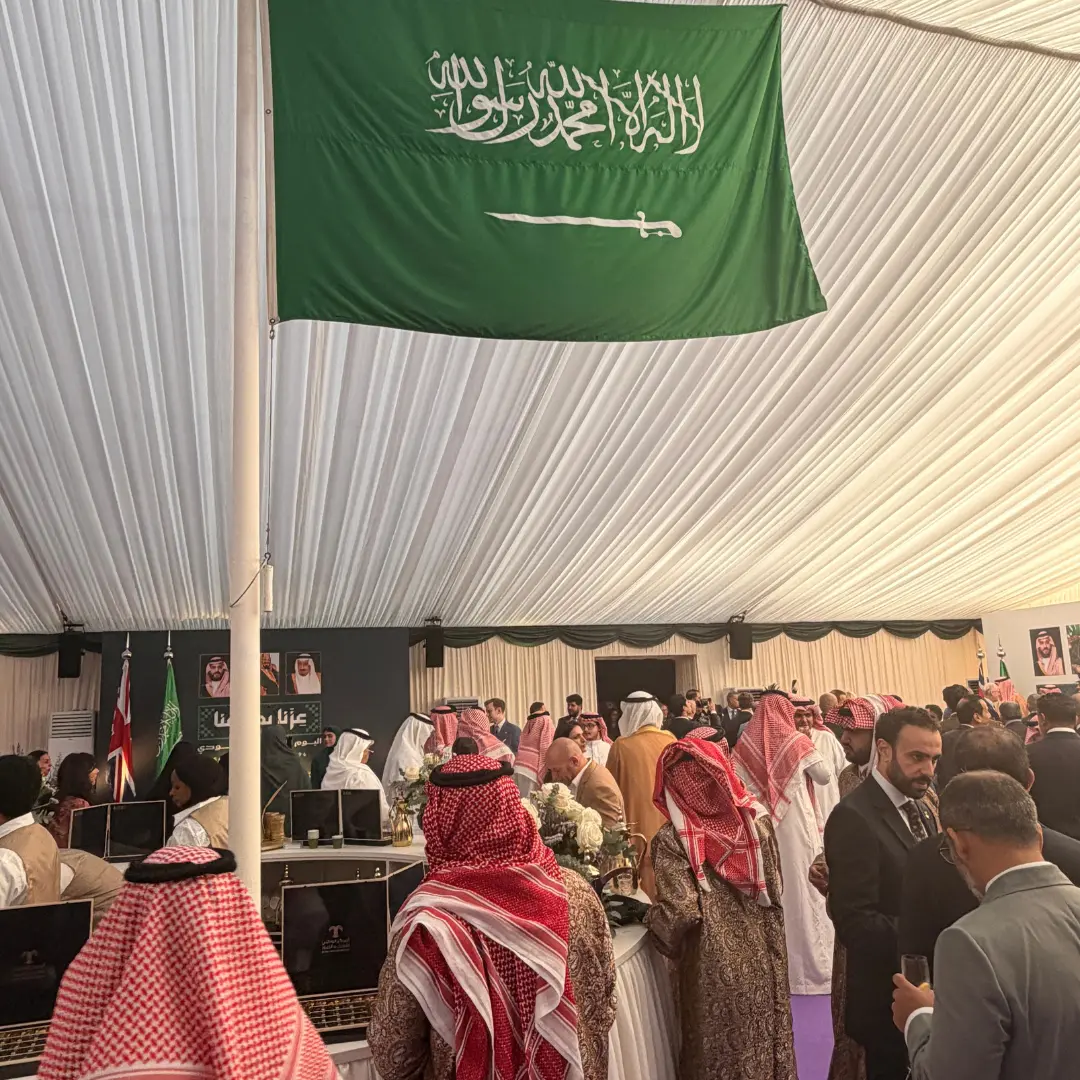
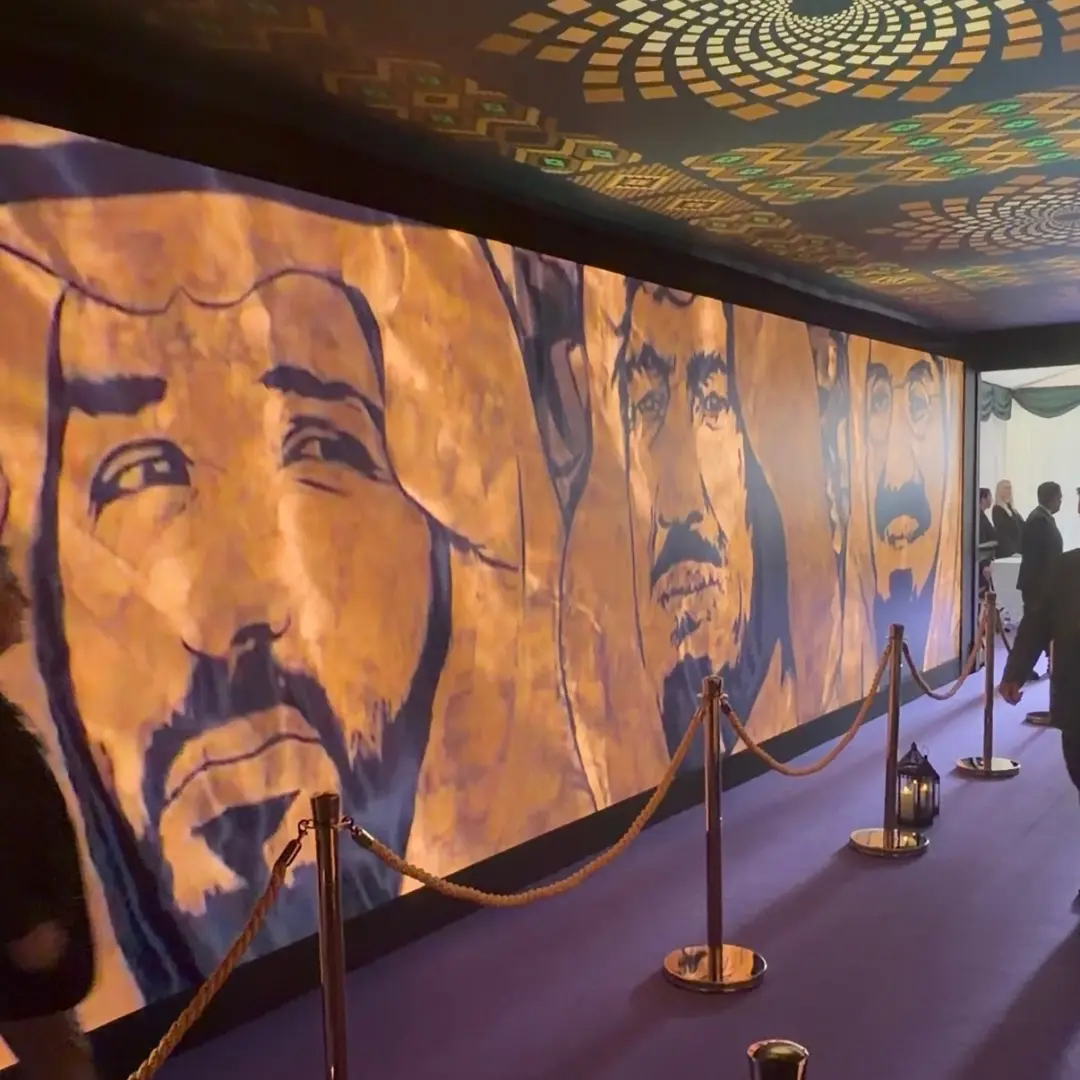
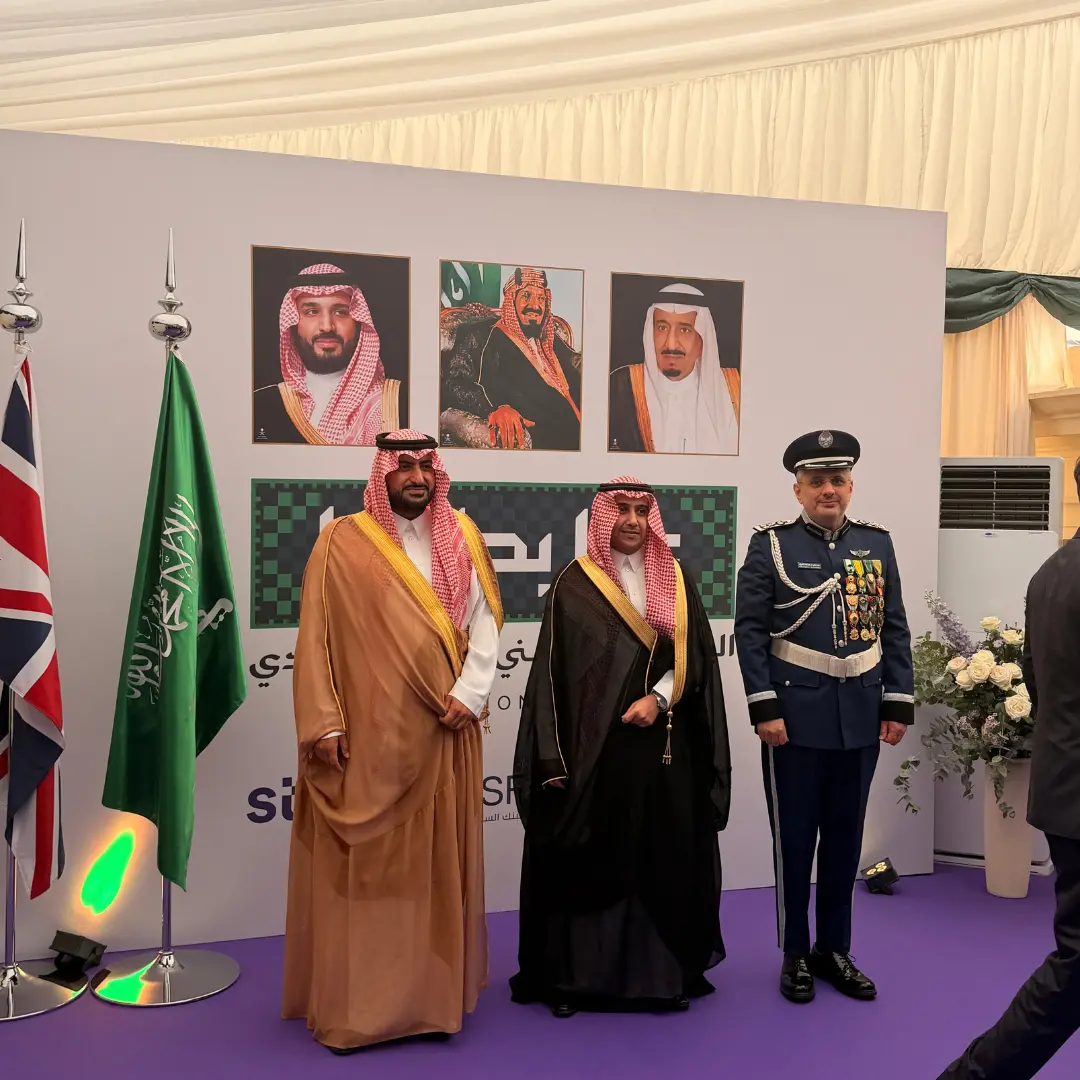
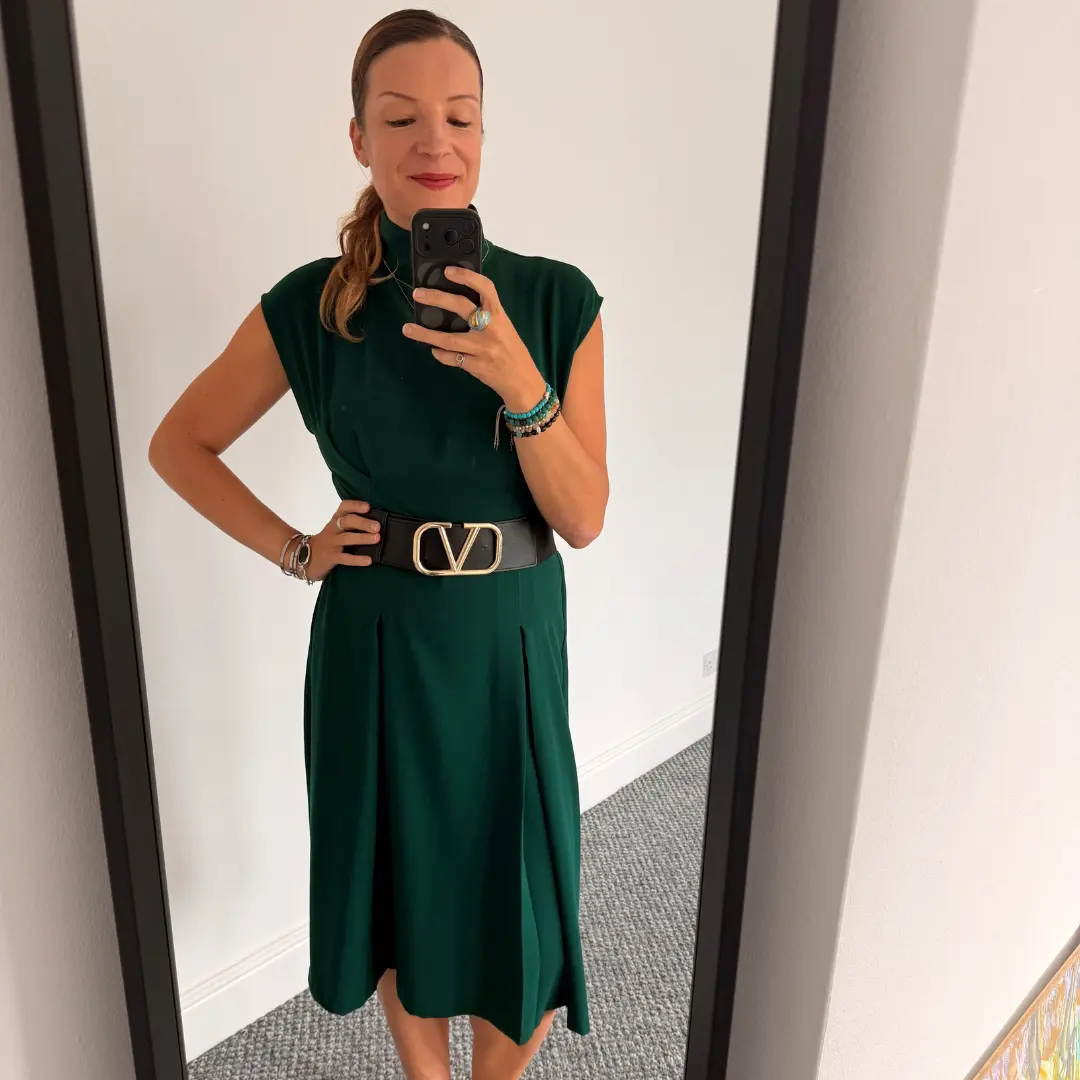
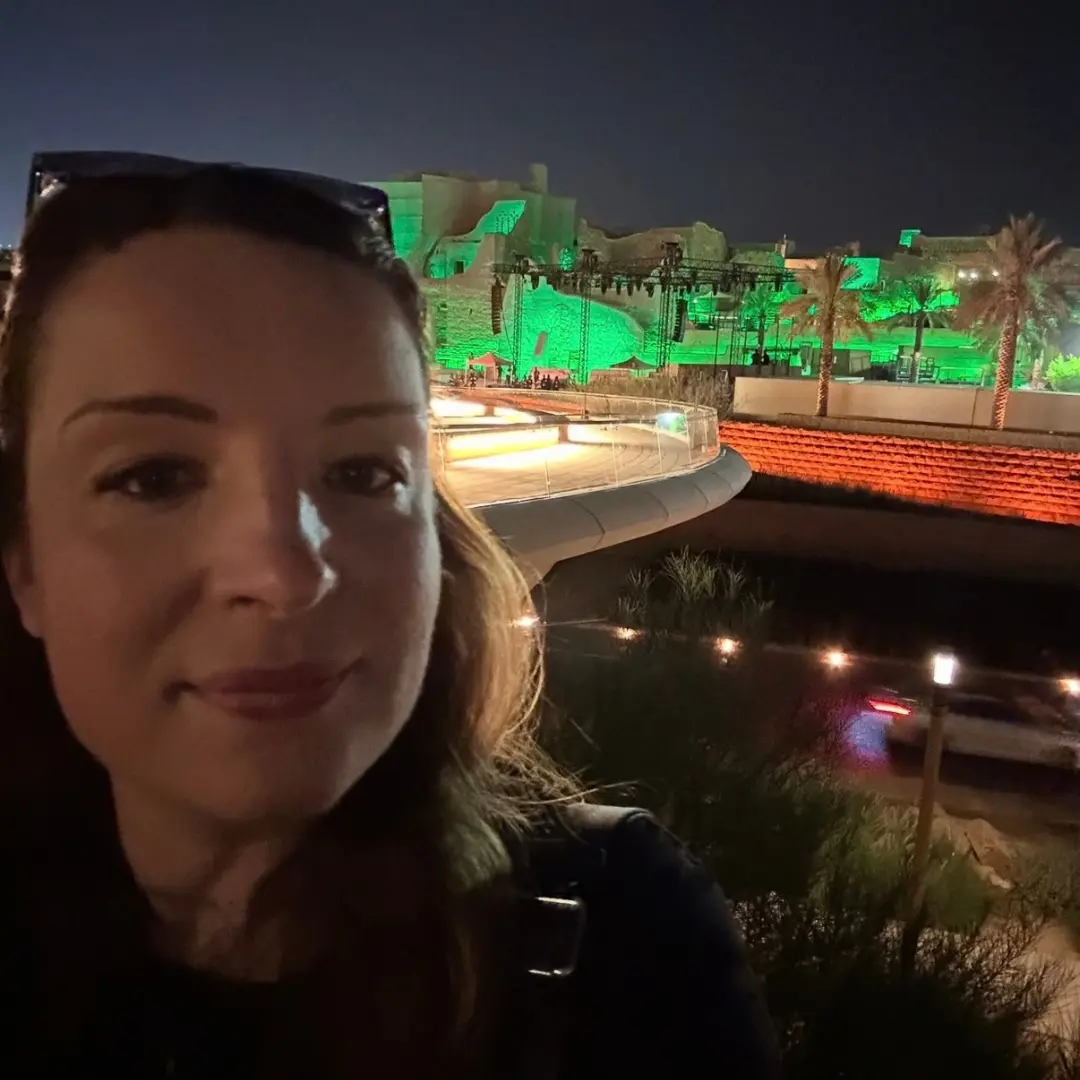
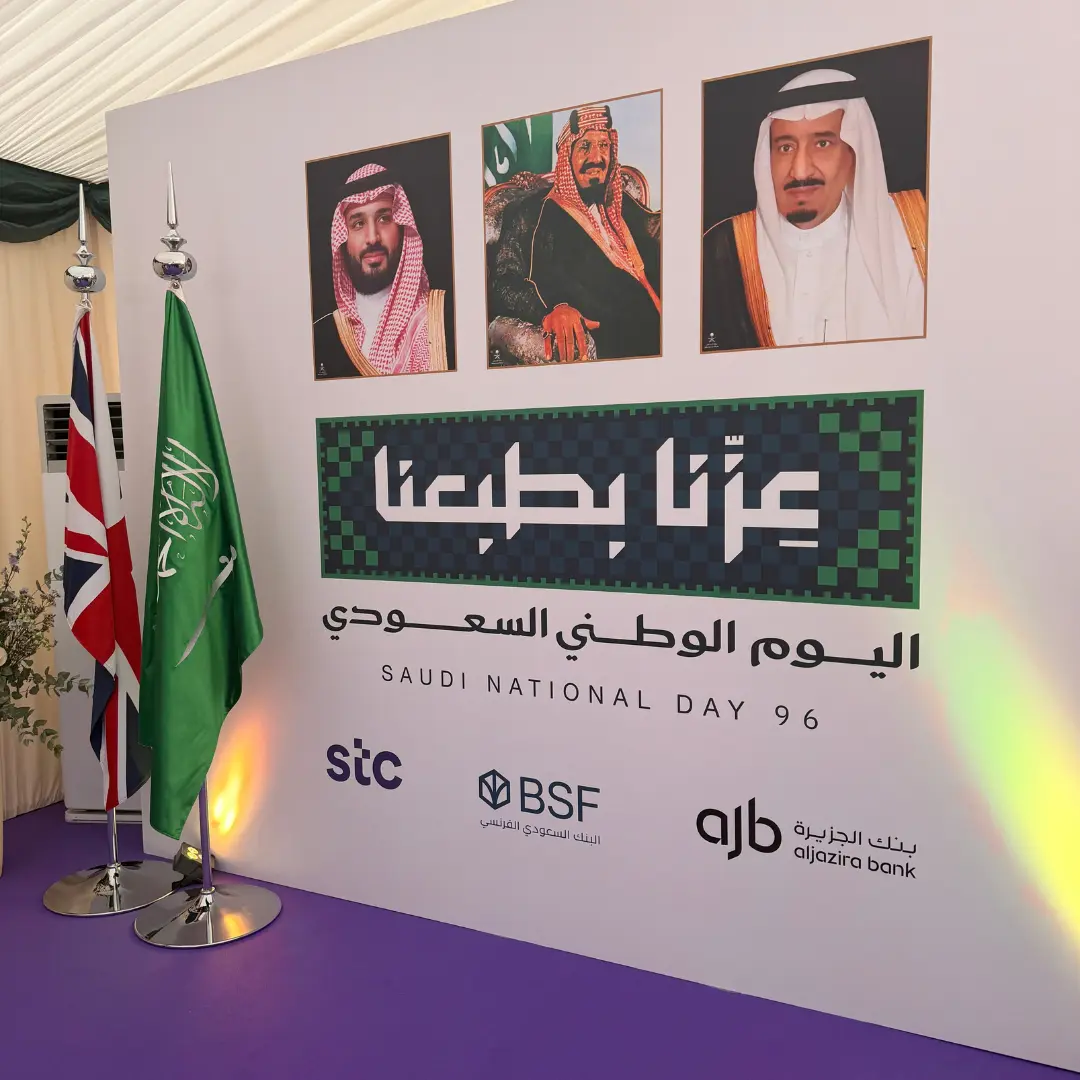
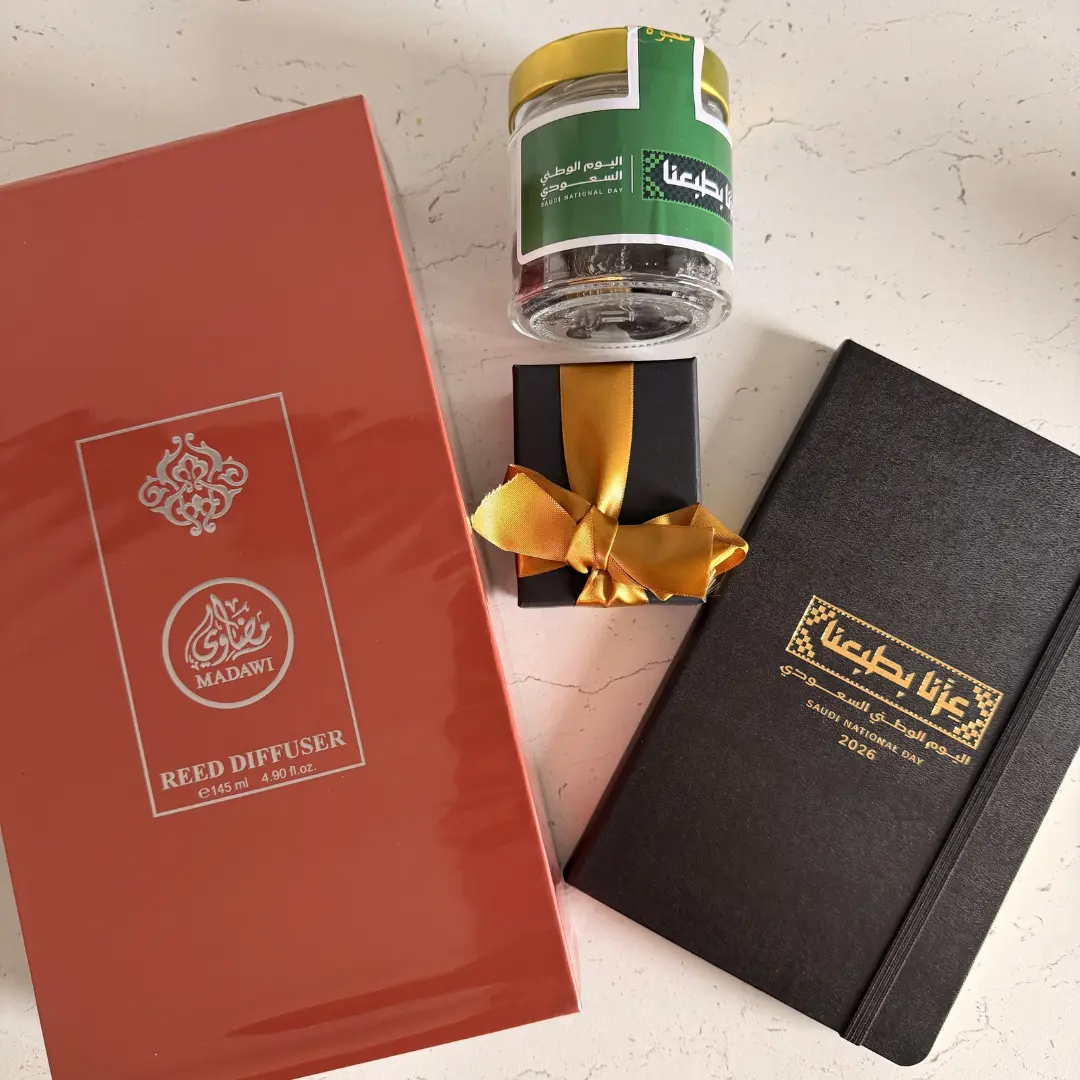
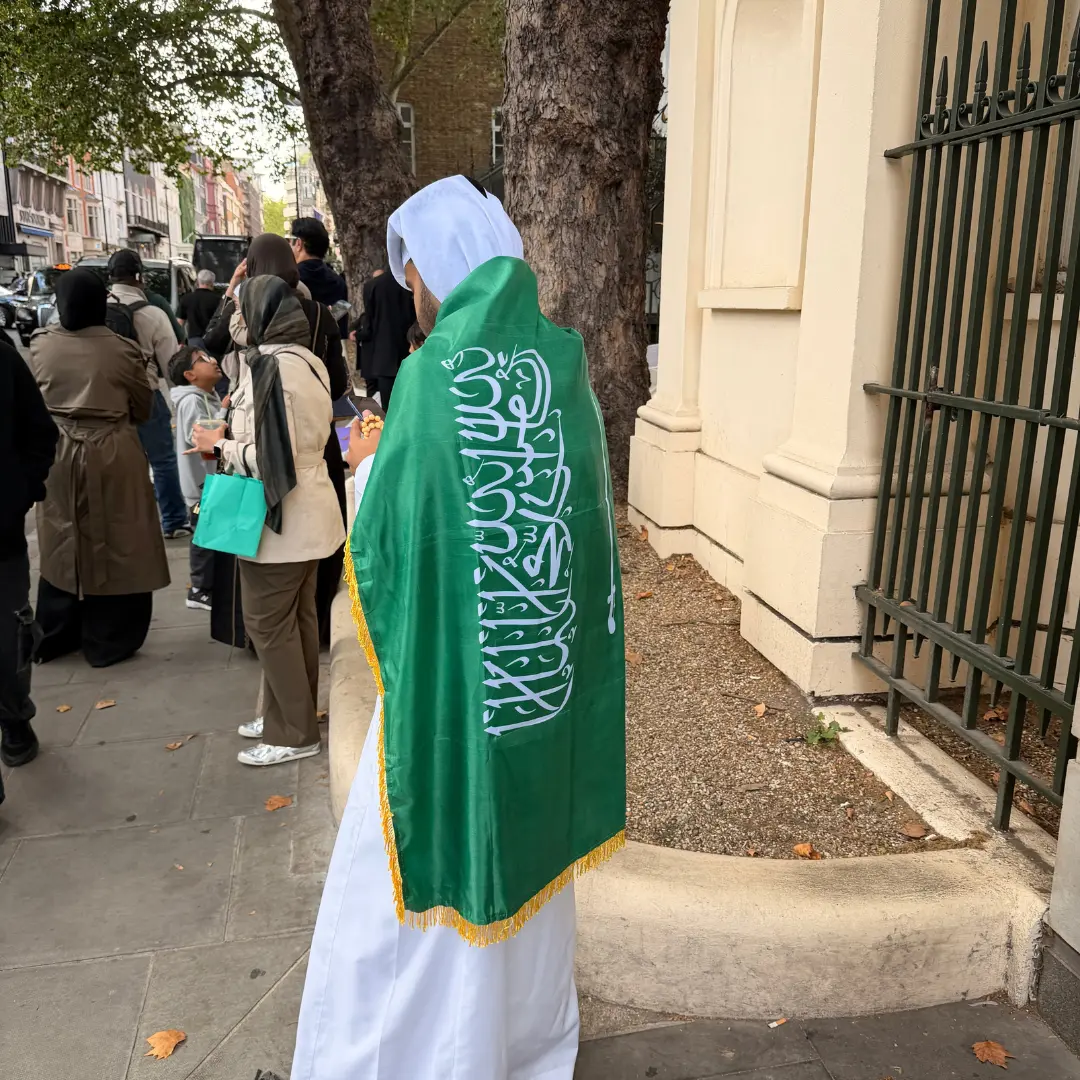
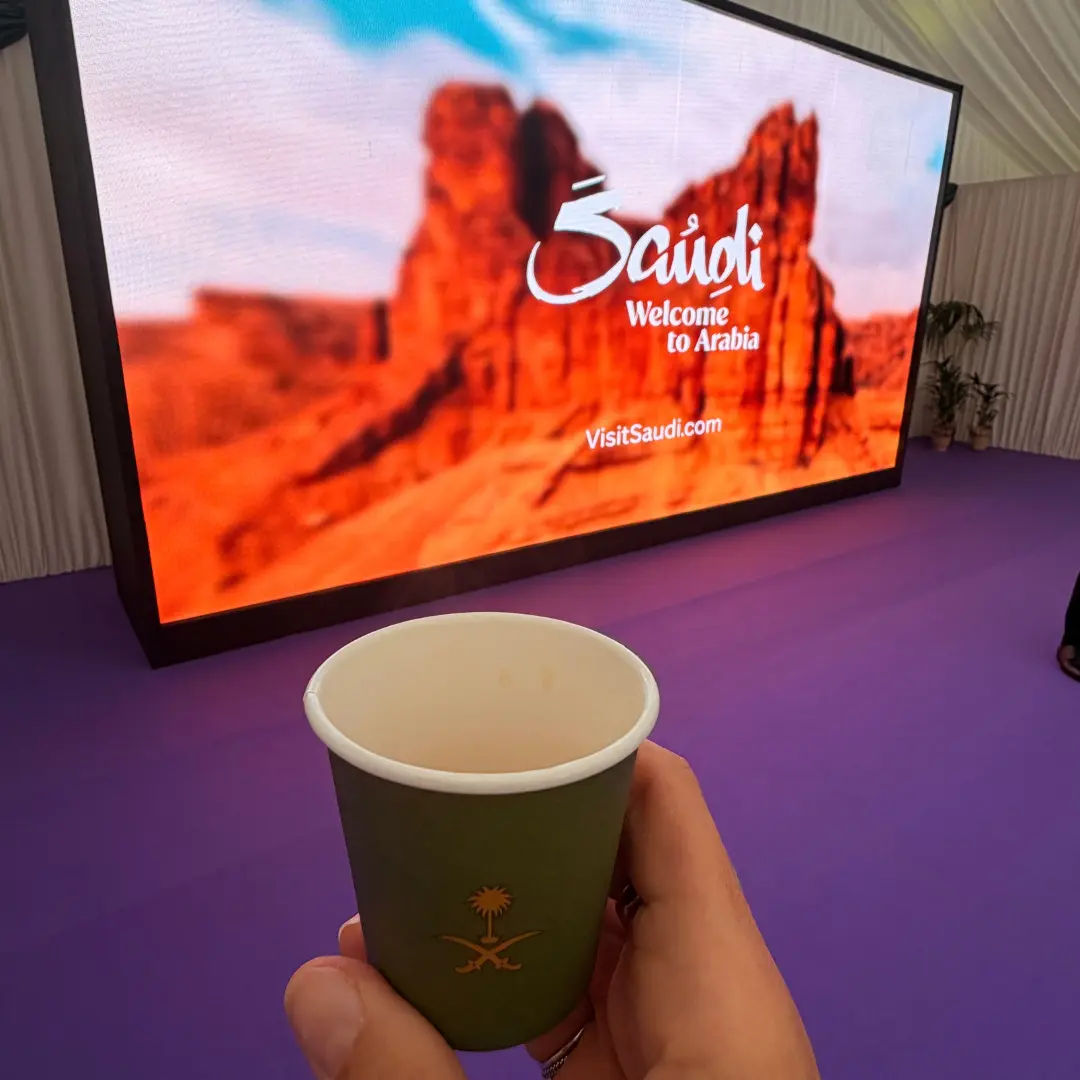
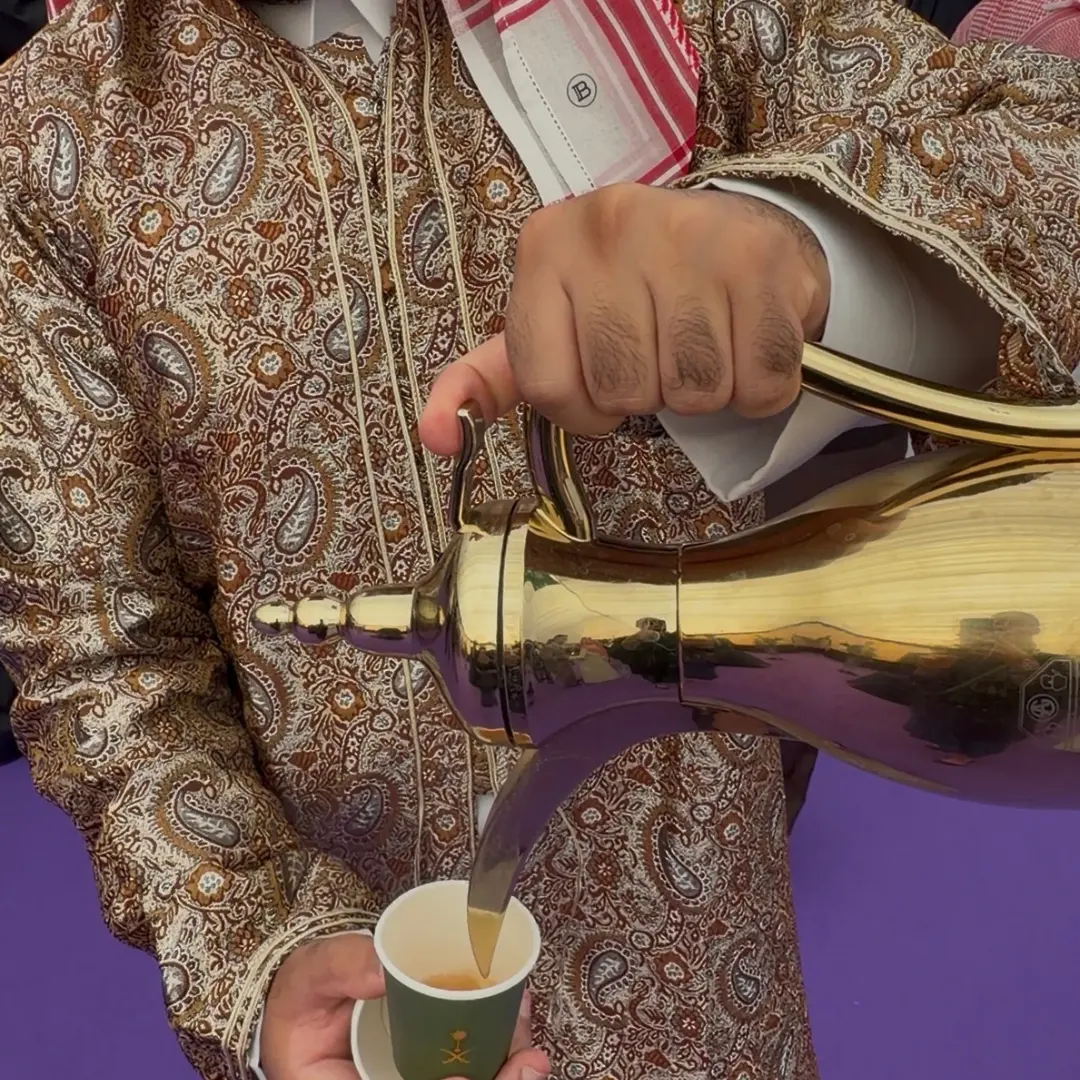
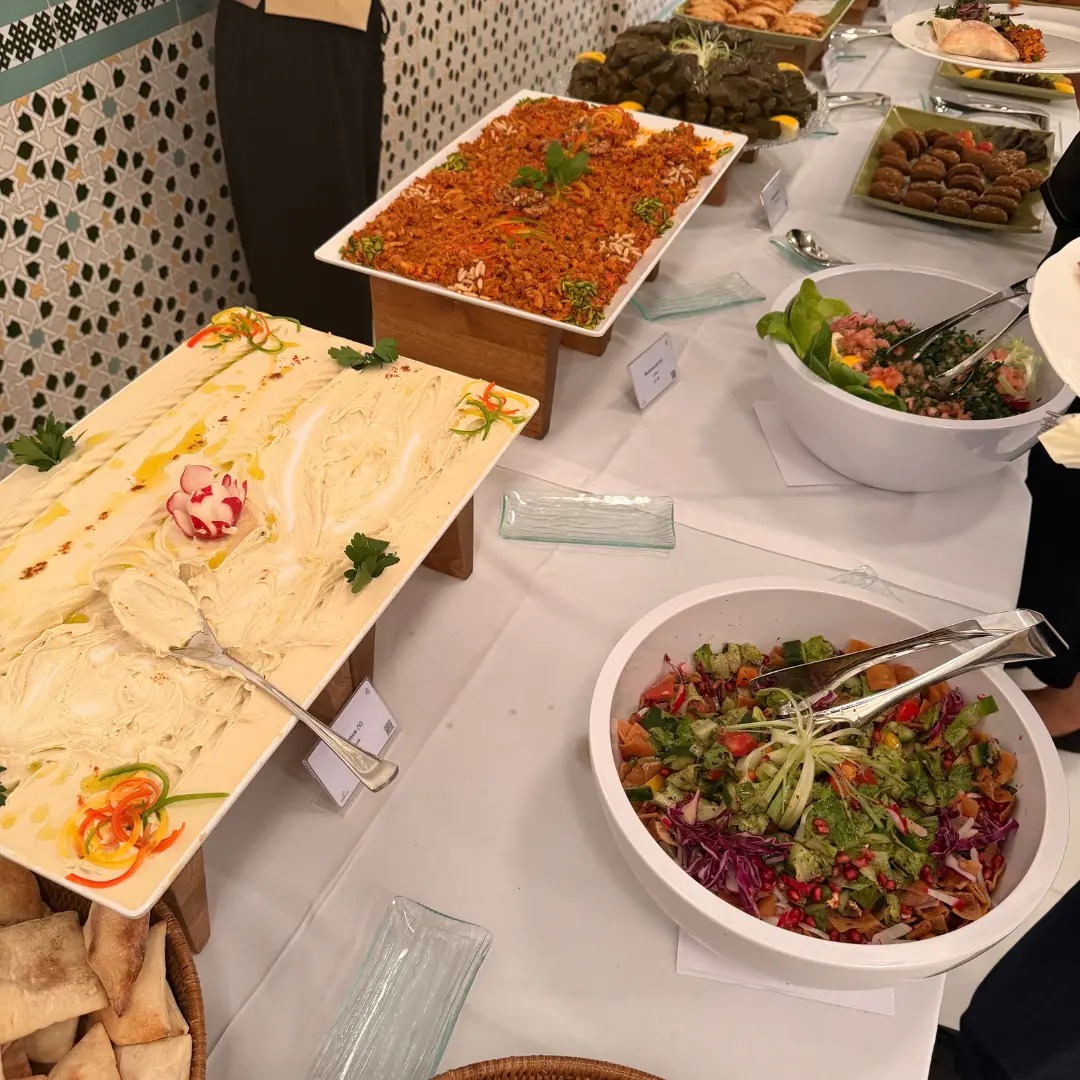
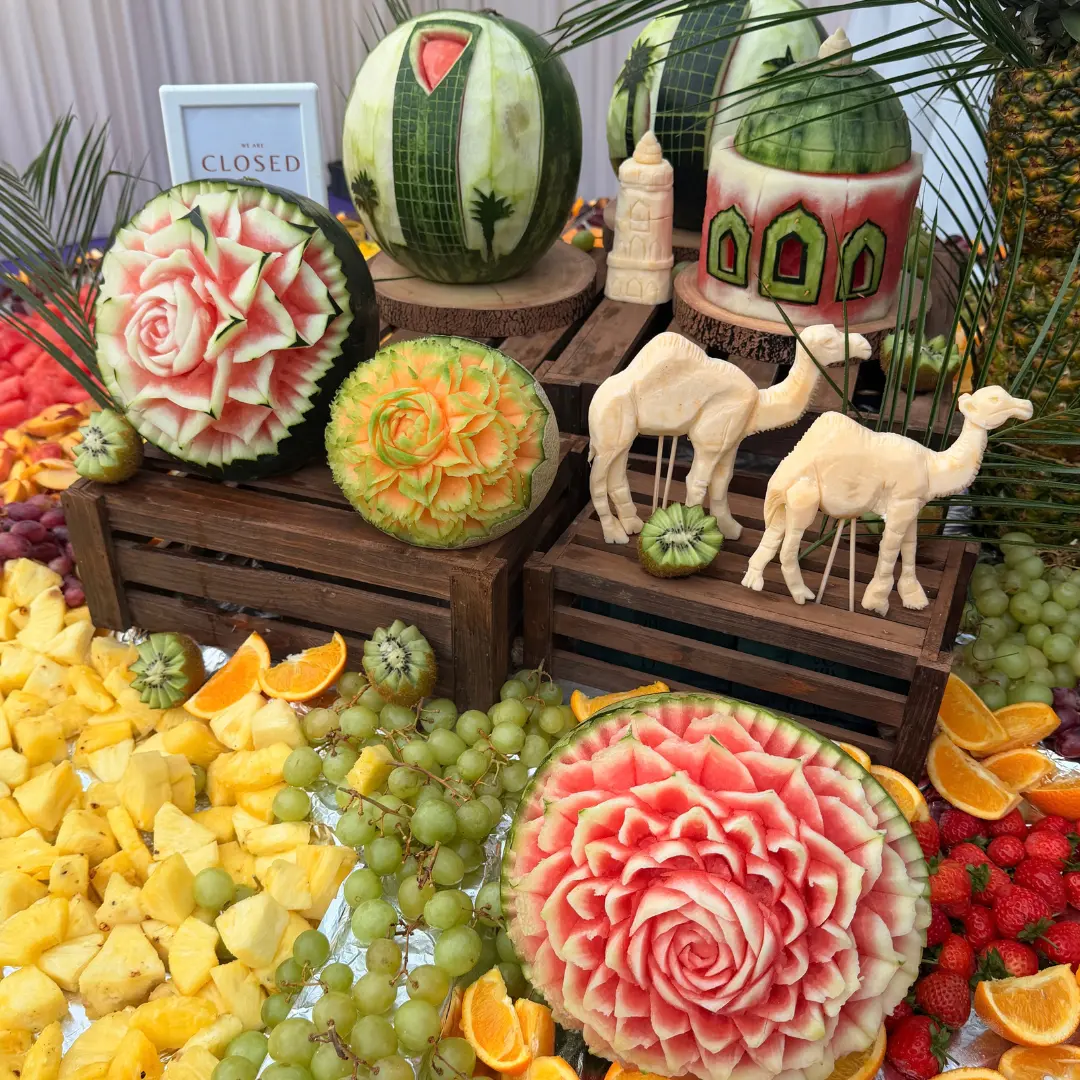
I was there as a guest of the Embassy. See the pictures from inside the celebration. Look at them before you read on, because it says something no briefing document can.
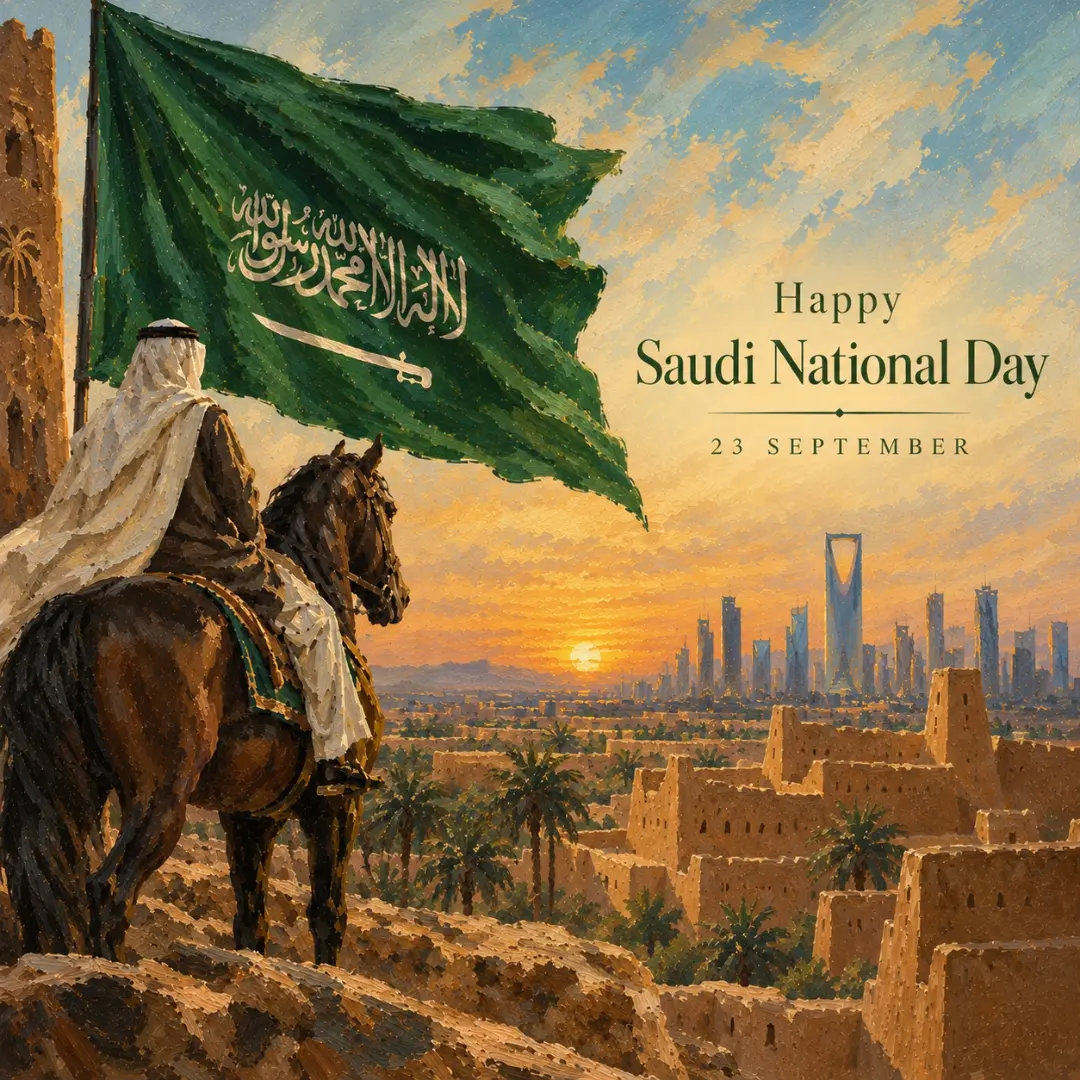
Saudi Arabia marked its 96th National Day on Wednesday 23 September 2026, the anniversary of the Kingdom’s unification under King Abdulaziz Al Saud in 1932. This year’s official theme, unveiled by the General Entertainment Authority, is “Our Pride Is Our Nature.” Having spent time inside it, I would say the theme is simply accurate.
What happened on Saudi National Day 2026?
Saudi National Day 2026 was the Kingdom’s 96th, celebrated on 23 September at home and by Saudi embassies and communities worldwide, including in London.
The confirmed facts:
- Date: Wednesday 23 September 2026 (12 Rabi Al-Thani 1448H)
- Anniversary: 96 years since the unification of the Kingdom on 23 September 1932
- Founder commemorated: King Abdulaziz bin Abdulrahman Al Saud
- 2026 theme: “Our Pride Is Our Nature”, announced by Turki Alalshikh, Chairman of the General Entertainment Authority
- Status: official public holiday, including for the private and non-profit sectors
- UK host: the Saudi Embassy in London, led by HRH Prince Abdullah bin Khalid bin Sultan, who presented his credentials to King Charles III in February 2026
What does Saudi National Day actually celebrate?
Saudi National Day celebrates the moment separate regions became one Kingdom. On 23 September 1932, King Abdulaziz unified the territories of Najd and Hijaz under the name the Kingdom of Saudi Arabia. It is distinct from Founding Day on 22 February, which marks the establishment of the first Saudi state in 1727. Western teams regularly confuse the two. Saudi counterparts notice. The practical point: National Day is about unity and the modern state. It is the day the country celebrates what it has become, not just where it came from.
What does a Saudi National Day celebration feel like from the inside?
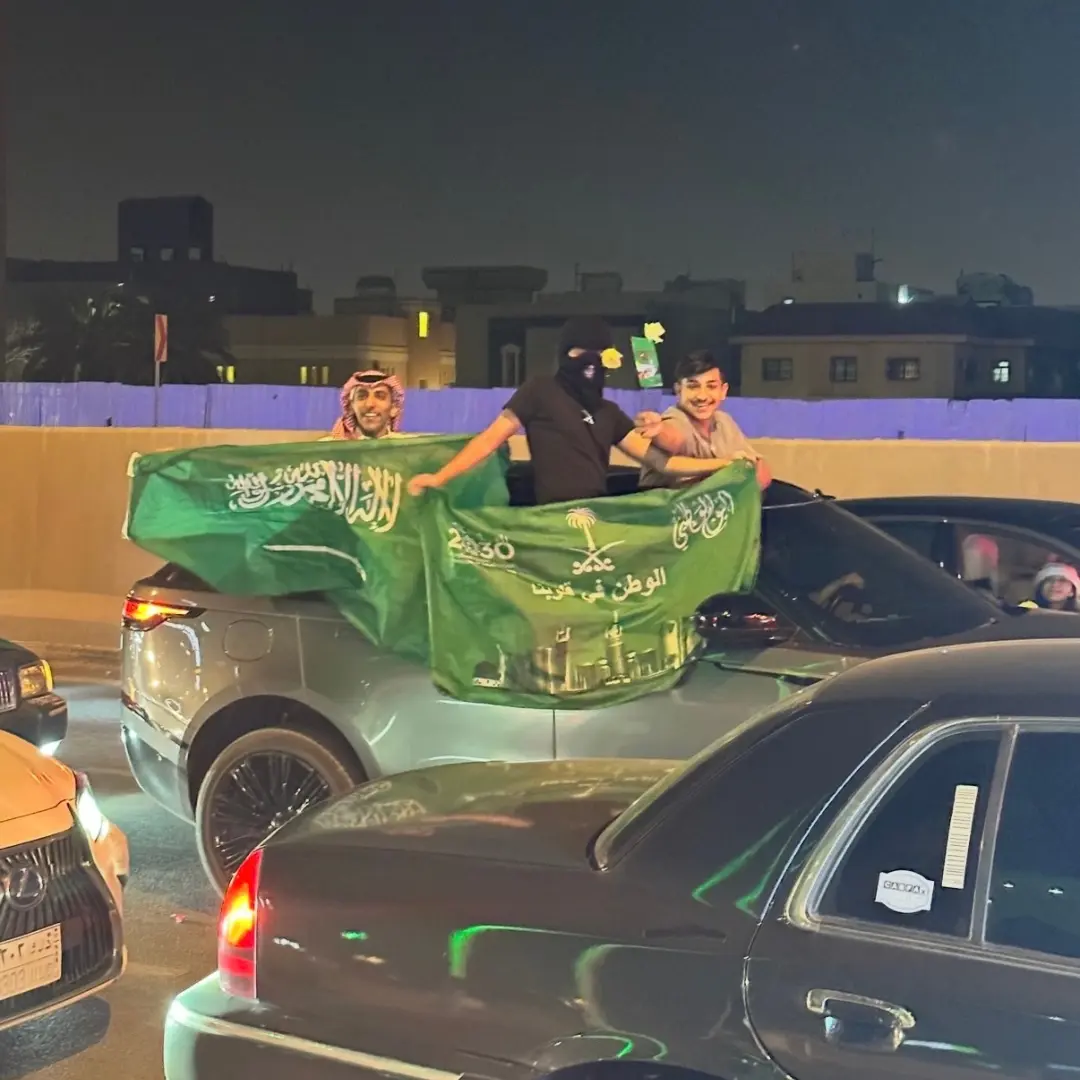
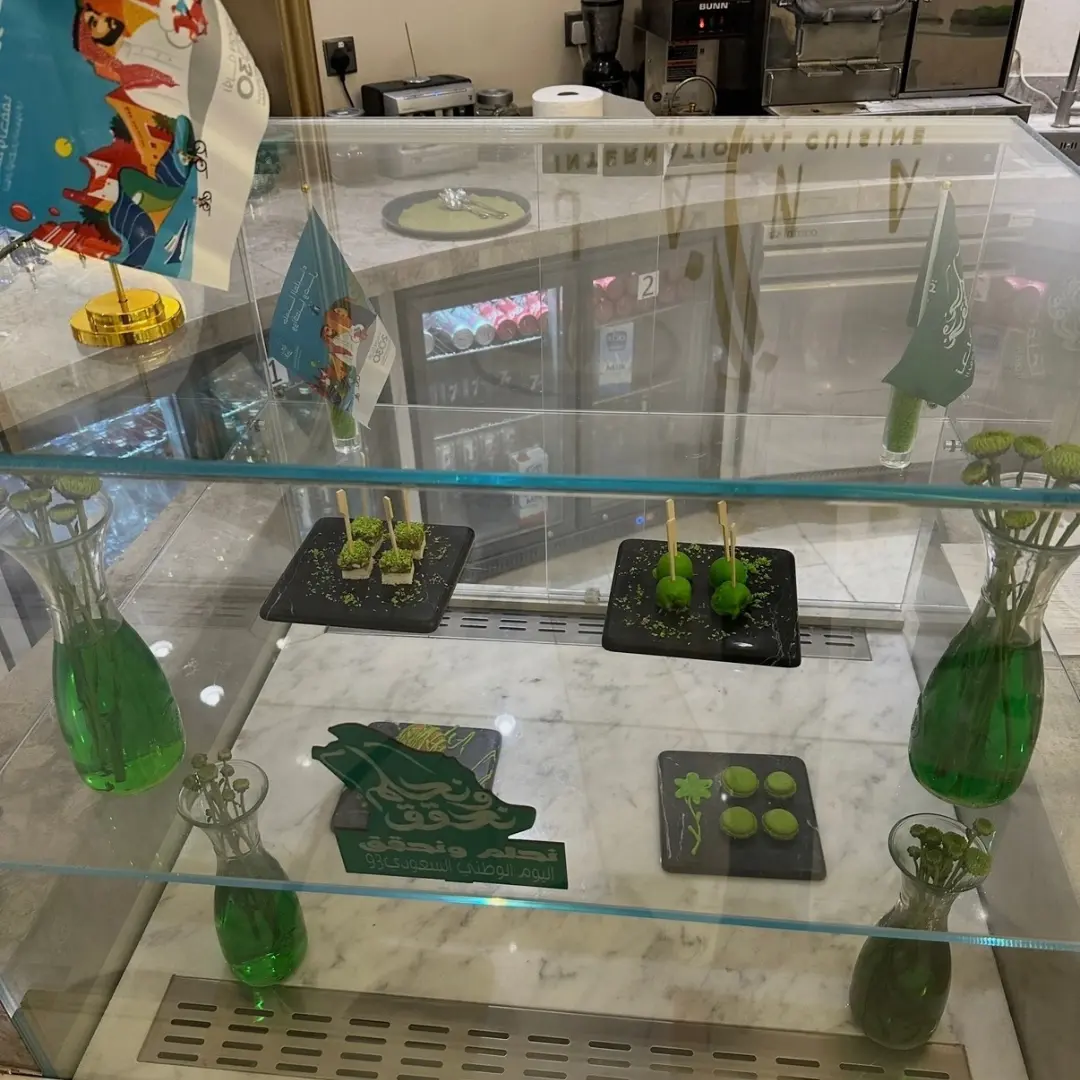
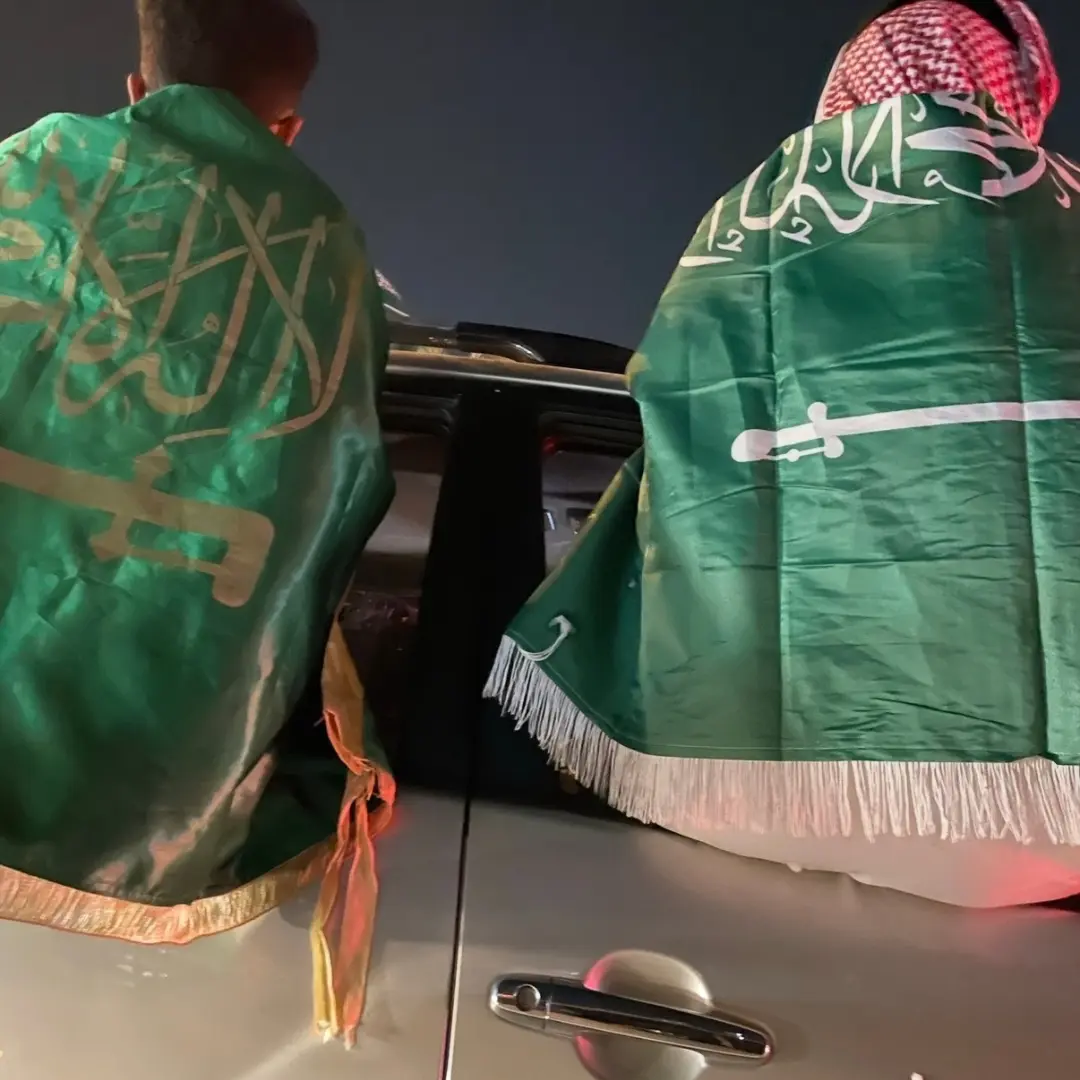
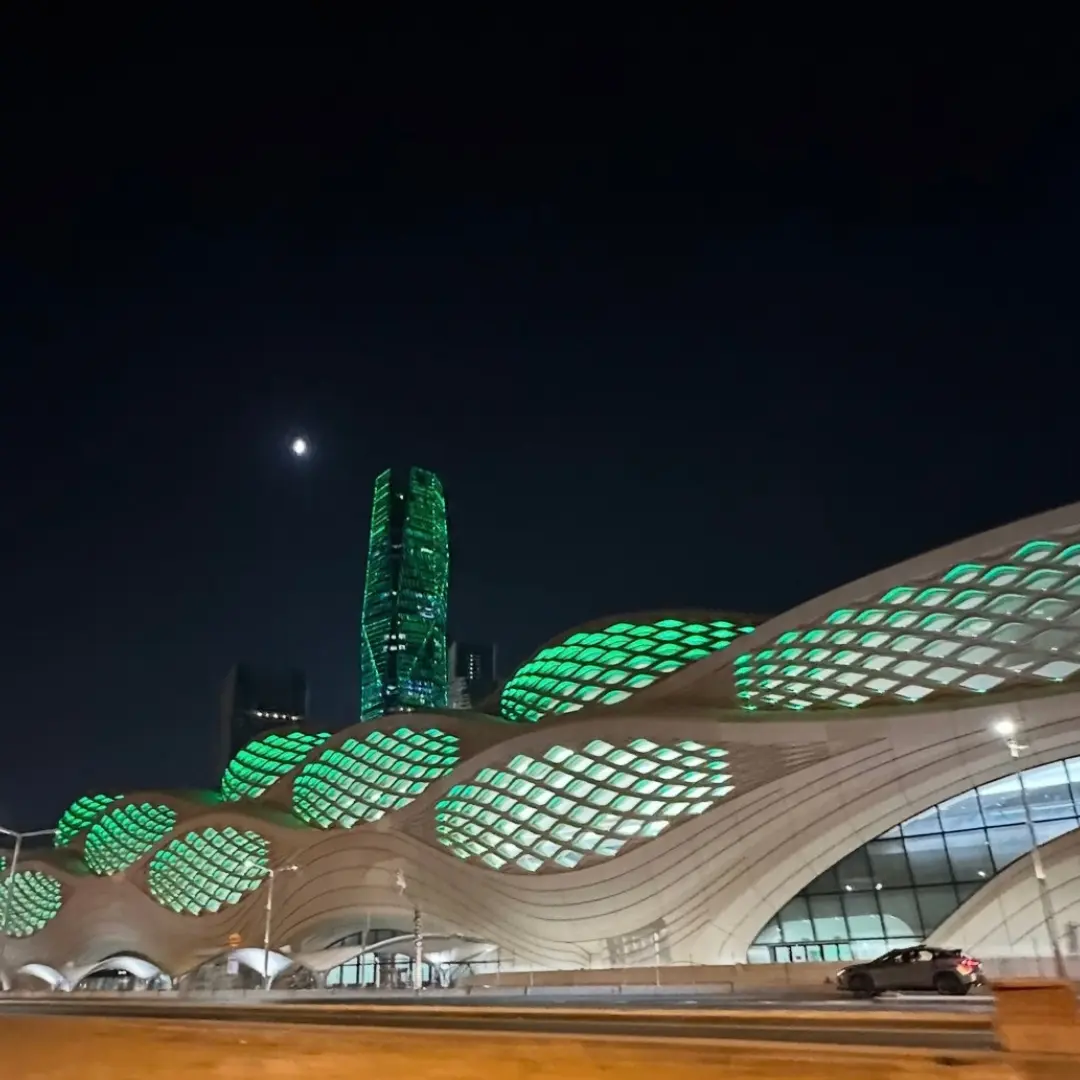
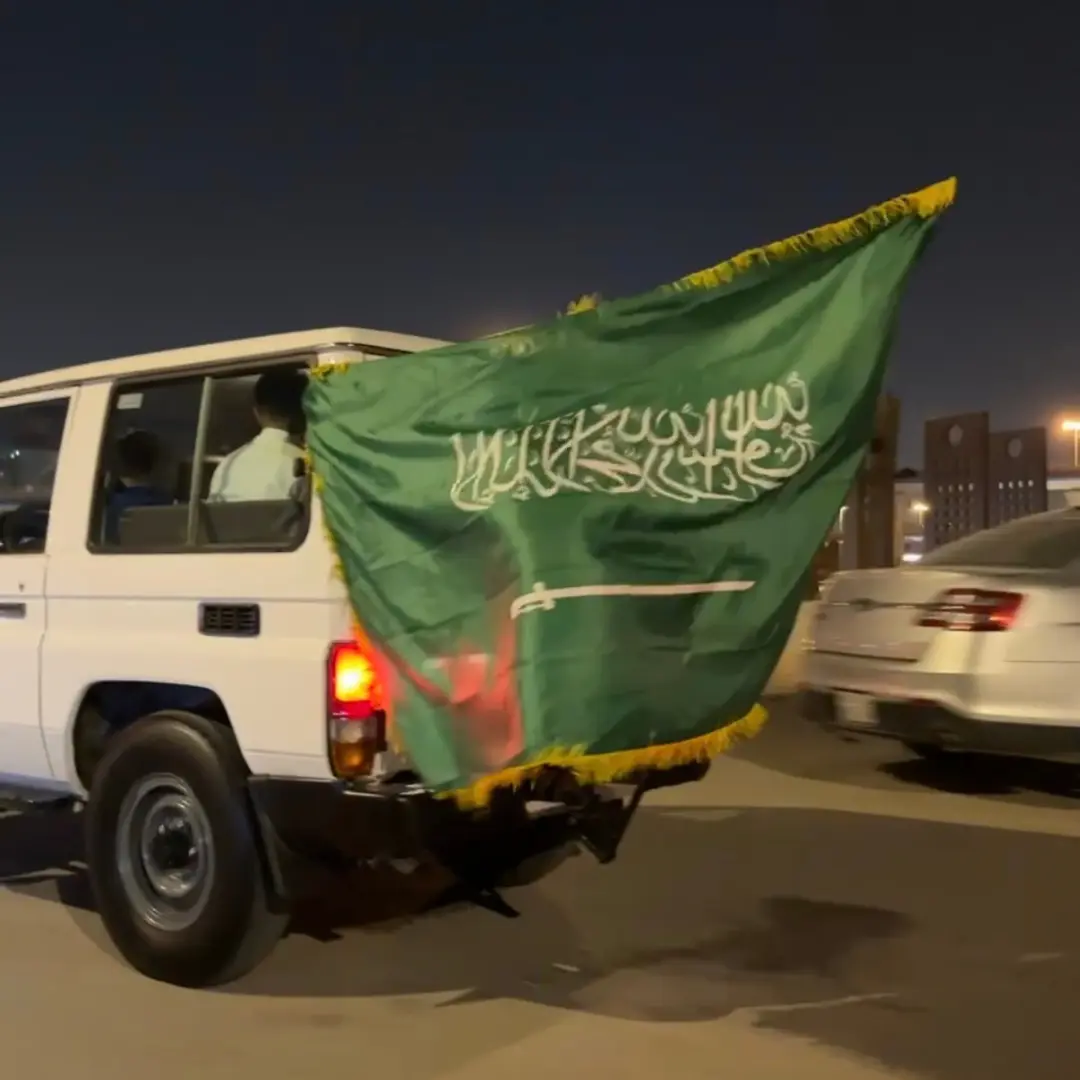
It feels like a family occasion held at national scale. That was my strongest impression in London, and it matches what happens across the Kingdom. In Saudi Arabia, the country turns green. Towers in Riyadh light up in the national colour. Cars, shopfronts and balconies carry the flag. Families are out late, children in green, the whole street joining in.
In London, the Embassy recreated that in one evening.
- The dancing. Traditional dance, with the Ambassador himself taking part. Senior figures joining in is not a stunt. It signals that this belongs to everyone in the room.
- Saudi coffee. Light, golden and cardamom-scented, poured constantly. Nobody’s cup stayed empty for long.
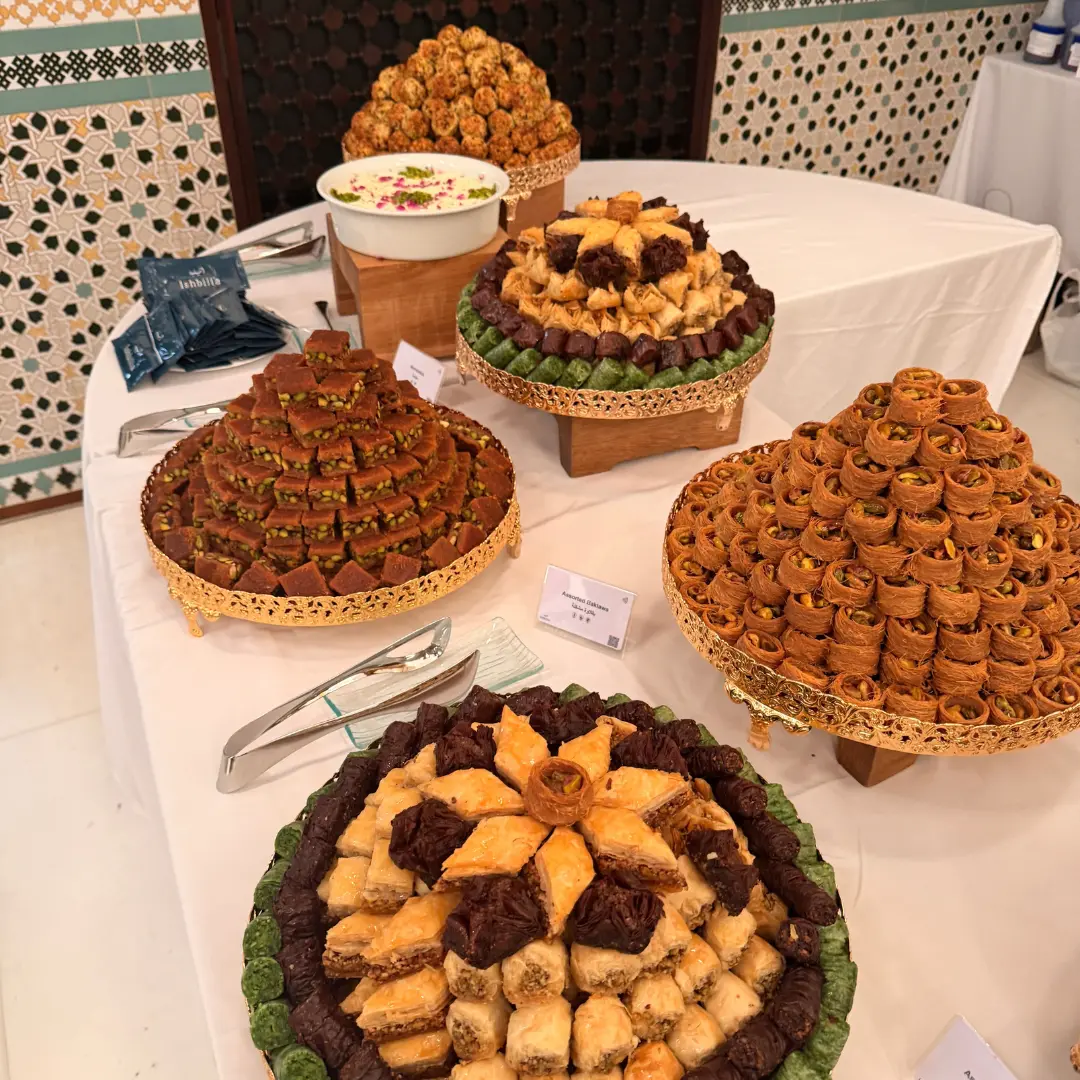
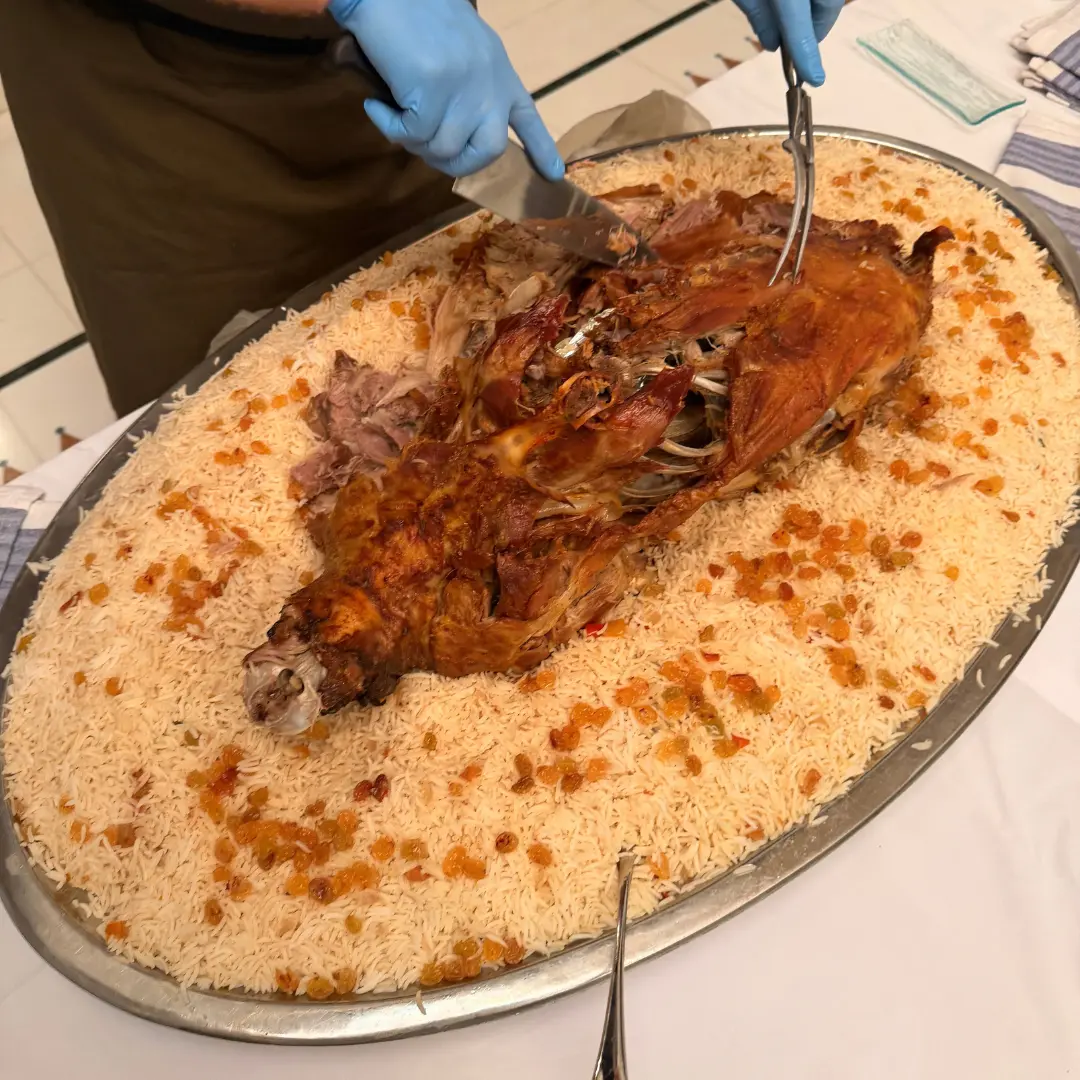
- The food. Generous, abundant and designed for sharing.
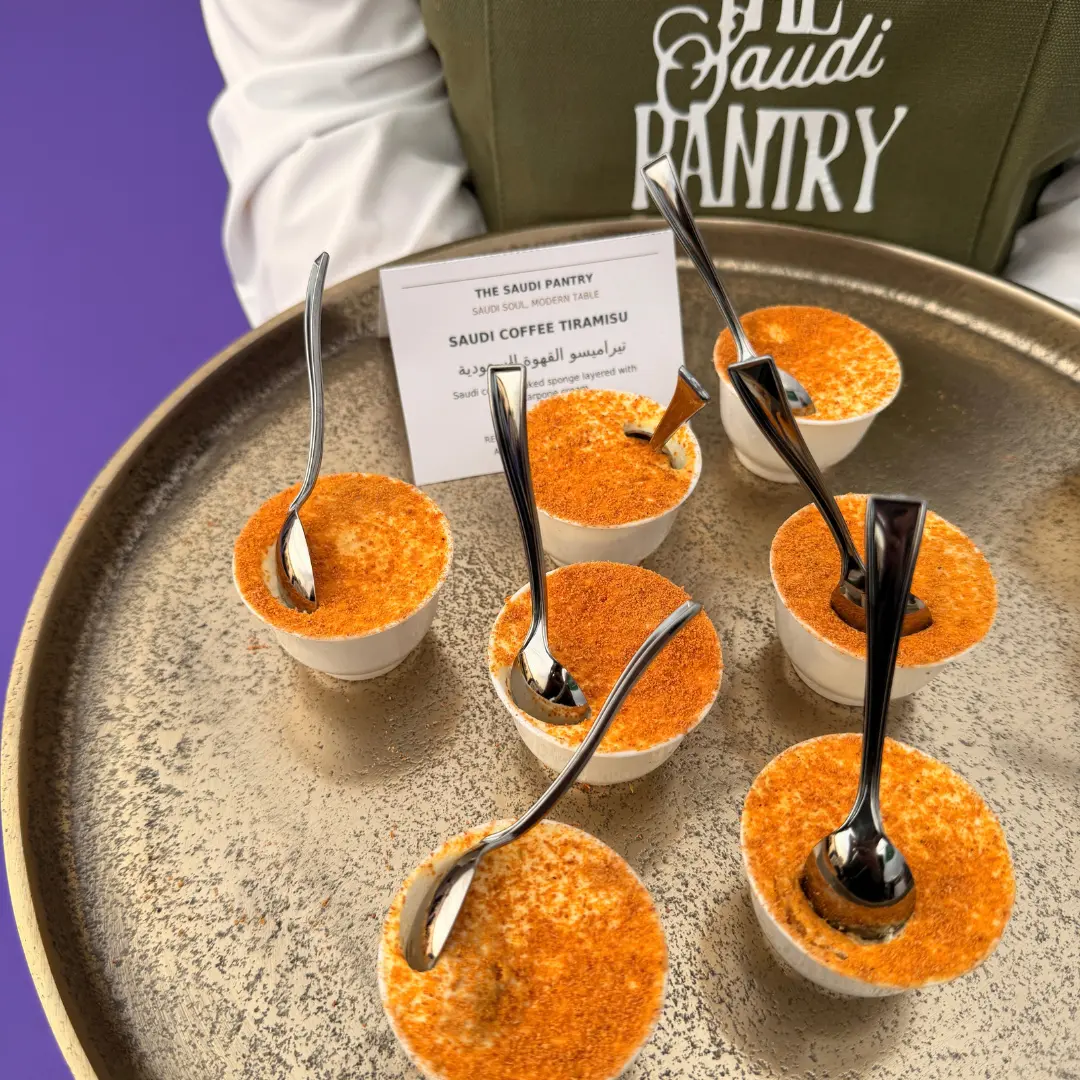
- The Saudi tiramisu. I have to single this out. A classic dessert remade with Saudi flavours, and one of the best things I ate all year. It says a great deal about contemporary Saudi culture: confident enough to take something from elsewhere and make it unmistakably its own.
None of it felt staged for foreign guests. That is the point. We were welcomed into something that would have happened with or without us.
Why does Saudi national pride feel so different from the West?
Saudi national pride is open, joyful and uncomplicated in public. In much of the West, open displays of national pride now carry a question mark. This was the part that stayed with me on the way home. In Britain, a flag in a front window can prompt people to wonder about the owner’s politics. Patriotism is too often read as a warning sign, even as racist or xenophobic. Many people who love their country have learned to keep quiet about it.
In that Embassy room, nobody was apologising. People were draped in flags. They sang. They danced. The pride was warm rather than hostile. It was pride in something, not pride against anyone. I am not saying one approach is right. I am saying Western executives walk into Saudi Arabia carrying their own discomfort with national pride, and it shows. It shows when a visitor treats Vision 2030 as marketing to be quietly doubted. It shows when a pitch is polite about the Kingdom’s ambitions but doesn’t believe in them. Saudi counterparts read that scepticism instantly.
Why should a Western executive care about a national holiday?
Because national pride in Saudi Arabia is commercial context, not just cultural colour. It shapes how decisions are made, who gets trusted, and which partners are seen as committed. Three things follow from that.
- Pride and ambition are the same conversation. The scale of Vision 2030, from giga-projects to the 2034 FIFA World Cup, is driven by a population that believes in its country’s future. When your proposal treats that ambition as real, you are aligned. When it treats it as hype, you are already outside.
- The pride is young. Saudi Arabia’s national population is strikingly young, with around two-thirds of Saudis under 30 according to the 2022 census. Many of the people you will meet in ministries, funds and private companies are building the country they are celebrating. That is a personal stake, not an abstract loyalty.
- “Saudi-first” is policy as well as feeling. Localisation requirements, the Regional Headquarters programme and Saudisation targets all express the same conviction. A company that understands the emotion behind these policies negotiates them far better than one that sees only compliance.
I have watched this pattern repeat for years. The Western firms that do well in the Kingdom are rarely the ones with the sharpest slides. They are the ones whose people visibly believe the country is going somewhere.
How should Western businesses show up for Saudi National Day?
Show up sincerely, specifically and without making it about you. Here is what I’d suggest for next year, and for the rest of this one.
- Put 23 September in the calendar now. Don’t schedule launches, deadlines or demanding meetings on either day. Plan your follow-up for after, not around them.
- Send a personal message, not a campaign graphic. A short, specific note to your Saudi counterparts on National Day lands far better than a green-tinted logo on LinkedIn. Mention something real about your work together.
- Learn the year’s theme. “Our Pride Is Our Nature” is 2026’s. Knowing it, and understanding what it means, is a small signal that you pay attention.
- Accept the invitation. If an embassy, a business council or a Saudi partner invites you to celebrate, go. Arrive curious. Eat the food. Stay longer than you planned.
- Examine your own scepticism before you travel. If you privately think the Kingdom’s ambitions are overblown, your counterparts will sense it long before you say anything. Do the reading until your view is informed rather than inherited.
Those five steps get you respect. What they won’t do is tell you how to read a specific room: when enthusiasm is expected, when restraint is, or how the national mood of a given month changes what your counterpart can say yes to. That judgement is the part that costs companies the most when they get it wrong.
The pride is the opportunity
The easiest mistake a Western business can make in Saudi Arabia is to treat national pride as something to be managed politely. It is the engine of the whole project. Everything the Kingdom is building rests on a population that believes in it and is happy to say so, on the streets and in an embassy ballroom in London.
If you want that read on the Kingdom as a live, ongoing capability rather than a once-a-year reminder, that is what The Gulf Desk is for. It is my standing intelligence for Western executives working in Saudi Arabia and the Gulf: what’s shifting, what it means for your business, and how to respond before the meeting rather than after it.
If you are earlier in your thinking, start with what Saudi’s Year of AI means for your pitch or the real cost of getting Gulf business wrong.
Saudi National Day: frequently asked questions
When is Saudi National Day? Saudi National Day is celebrated every year on 23 September. It marks the unification of the Kingdom of Saudi Arabia by King Abdulaziz Al Saud on 23 September 1932. In 2026 it fell on a Wednesday and was the Kingdom’s 96th National Day.
What was the theme of Saudi National Day 2026? The official theme of Saudi National Day 2026 was “Our Pride Is Our Nature.” It was unveiled by Turki Alsheikh, Chairman of Saudi Arabia’s General Entertainment Authority, and reflects national pride as a natural part of Saudi identity.
What is the difference between Saudi National Day and Founding Day? Saudi National Day, on 23 September, marks the unification of the modern Kingdom in 1932. Founding Day, on 22 February, marks the establishment of the first Saudi state in 1727. Both are public holidays in Saudi Arabia.
How is Saudi National Day celebrated? Saudi National Day is celebrated with green lighting on buildings, national flags, fireworks, concerts, traditional dance and family gatherings across the Kingdom. Saudi embassies abroad, including in London, host receptions featuring Saudi food, Saudi coffee and cultural performances.
Should Western businesses acknowledge Saudi National Day? Yes. A sincere, personal message to Saudi partners on 23 September is appreciated, and avoiding business deadlines on the day shows respect. A specific note referencing your working relationship lands far better than a generic branded social media post.

Corina is a Middle East Strategist and Founder of Star-CaT. Over the past 20 years, she's helped thousands of clients overcome their anxieties and misconceptions about the Gulf region, and take advantage of the incredible opportunities available to them.

Related Posts

This Post Has 0 Comments