
Qatar’s World Cup Goal & the 14-Year PSG Lesson for Gulf Business and what Saudi teaches us about football
94 Minutes, 14 Years, Same Lesson
Qatar earned the first World Cup point in the nation’s history on 13 June 2026, and they did not score it. Switzerland’s Miro Muheim headed the ball into his own net in the fourth minute of stoppage time, under pressure from Qatar captain Boualem Khoukhi, to end the match 1-1.
Saudi Arabia and Qatar are both through the opening round of the 2026 World Cup, and in the space of one week, both have produced the kind of result that tells you something about a country, not just a scoreline. The UAE is not on the pitch this tournament — but they are, in a different way, on the field.
What Actually Happened
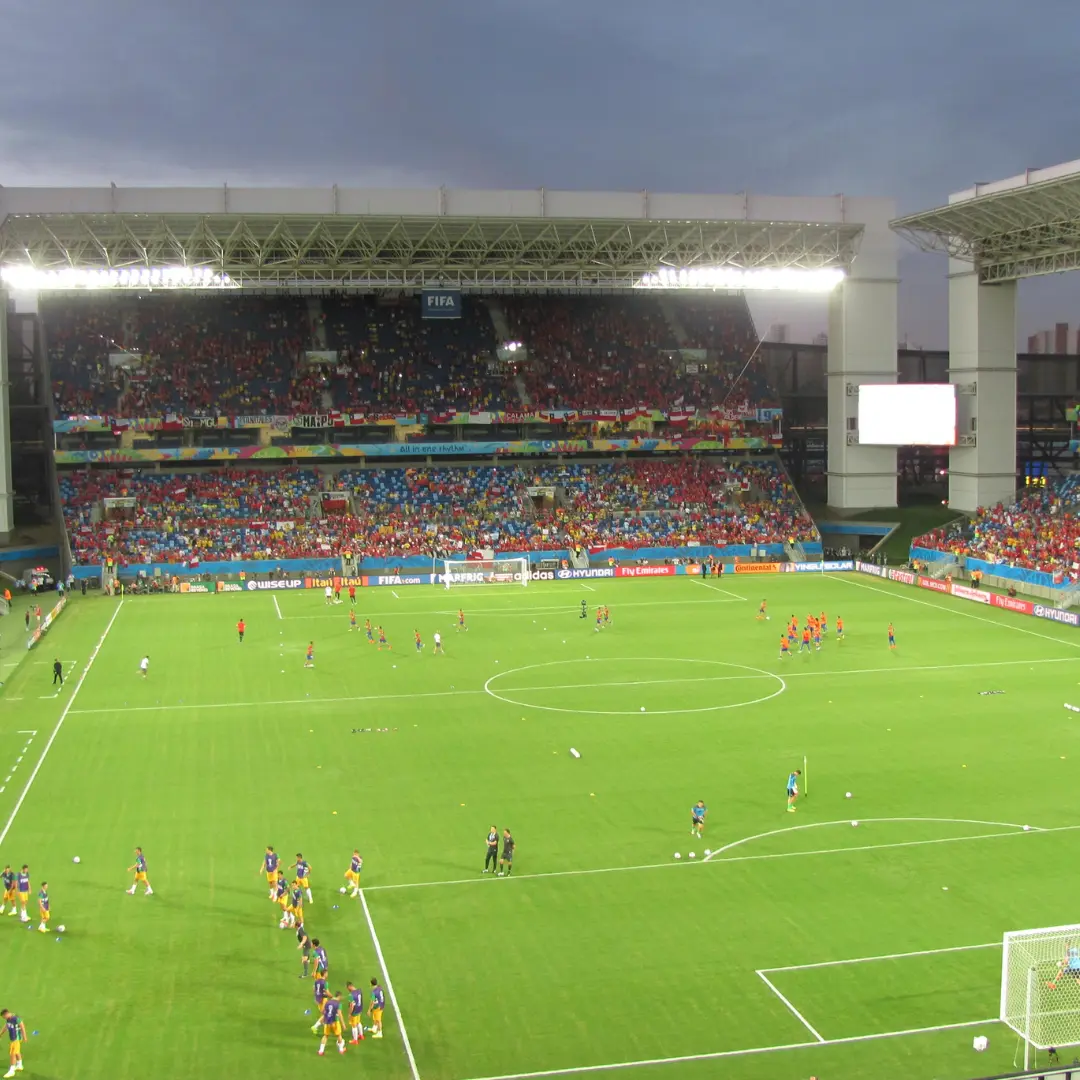
Qatar 1-1 Switzerland, San Francisco Bay Area Stadium, 13 June.
- Breel Embolo put Switzerland ahead from the penalty spot in the 17th minute.
- Switzerland dominated possession (58% to 28%) and had 26 shots to Qatar’s 6.
- Boualem Khoukhi rose for a header in the fourth minute of stoppage time. Miro Muheim, the Swiss defender marking him, headed it into his own net trying to clear it.
- Qatar goalkeeper Mahmoud Abunada was named man of the match for a string of saves that kept the score level until the equaliser arrived.
- It was Qatar’s first point in World Cup history, across two tournament appearances.
Saudi Arabia 1-1 Uruguay, Miami, 15 June.
- Abdulelah Al-Amri put Saudi Arabia ahead in the 41st minute — the first time Saudi Arabia had opened the scoring in a World Cup match in over thirty years.
- Uruguay’s Maxi Araújo equalised in the 80th minute.
- Goalkeeper Mohammed Al-Owais was named man of the match, making a series of saves — including a stoppage-time stop from a Federico Valverde strike — to keep Saudi Arabia level.
- In the stands: H.E. Yasir Al-Rumayyan, Governor of the Public Investment Fund; HRH Prince Abdulaziz bin Turki Al-Faisal, Minister of Sport; HRH Princess Reema bint Bandar, Saudi Ambassador to the United States; H.E. Salman Al-Dossary, Minister of Media; and H.E. Mohammad bin Abdulmalik Al al-Sheikh, Minister of State and member of the Council of Ministers. (Pictures taken from Princess Reema’s IG)
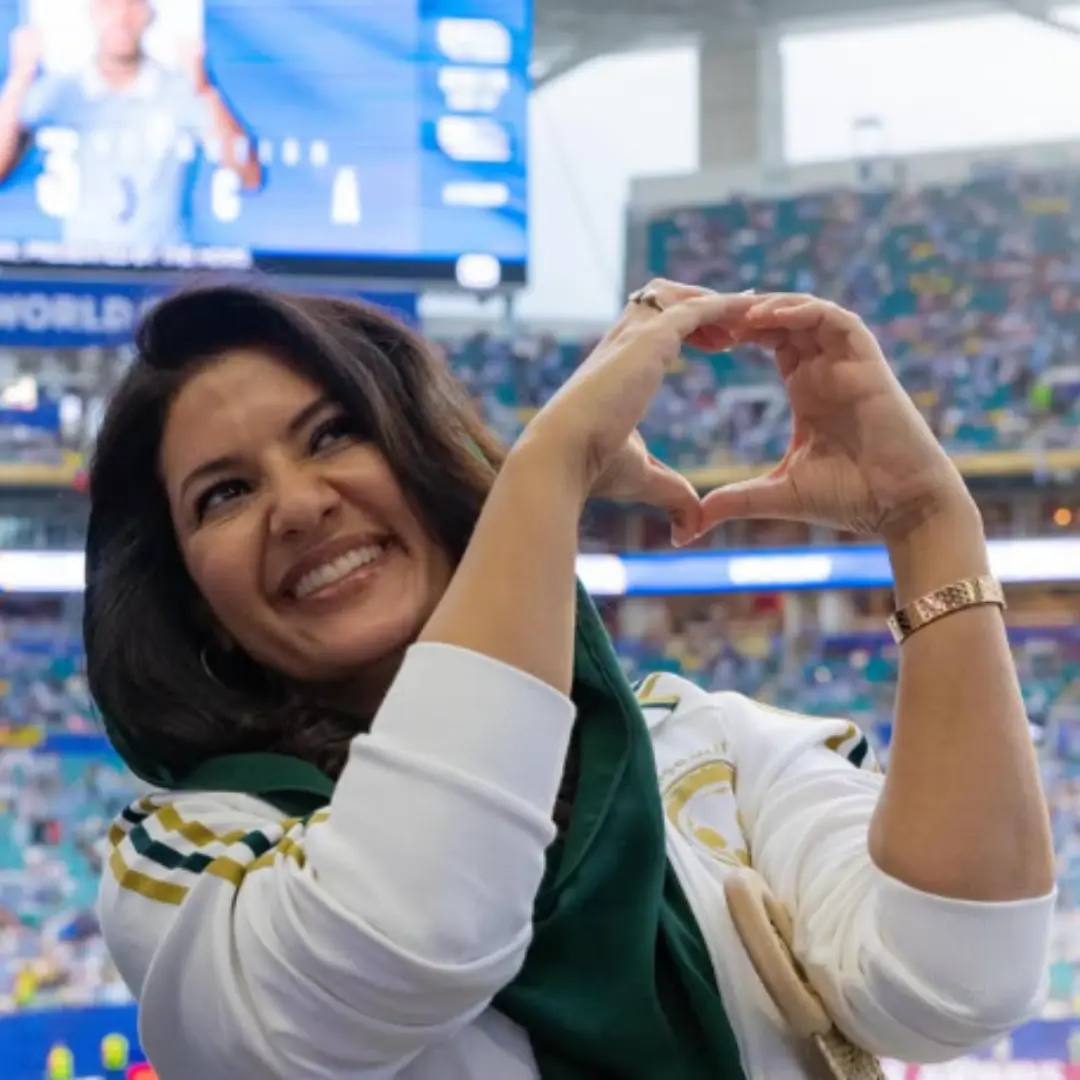
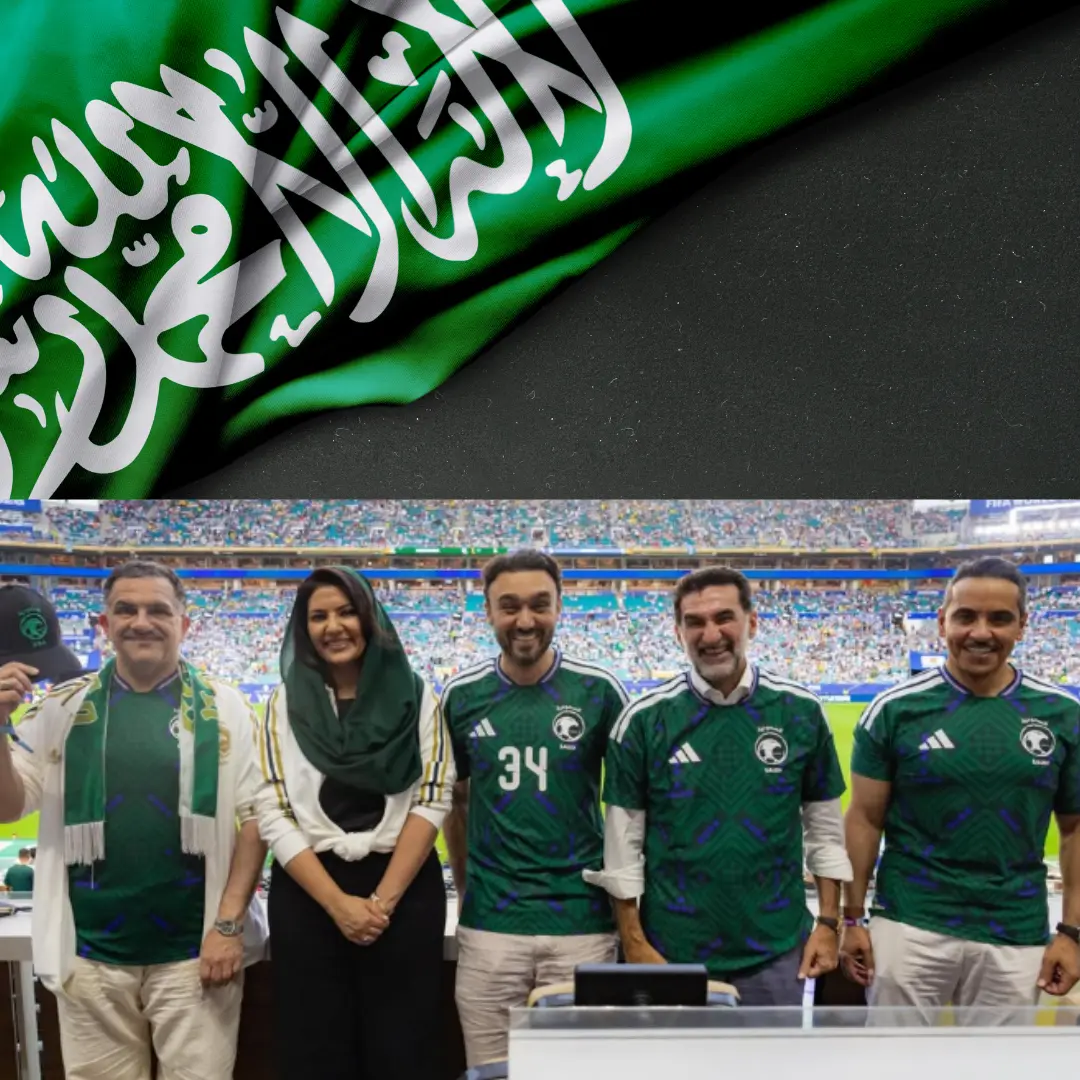
The UAE is not competing — but they are officiating.
The UAE did not qualify for this World Cup. They lost a deciding playoff to Qatar 2-1 in October 2025 and were eliminated in the qualification round that followed. But FIFA has appointed an Emirati officiating trio to this tournament — referee Omar Al Ali, assistant referee Mohamed Al Hammadi, and video match official Mohammed Obaid Khadim — part of the largest “Team One” of match officials in World Cup history, 41 more than at Qatar 2022. It is not the headline most expected from the UAE this summer. It is a different kind of presence on the same stage.
Why a Goalkeeper Got Named Man of the Match Twice in Three Days
Neither Qatar nor Saudi Arabia won. Both nations’ best players on the pitch were the men stopping goals, not scoring them.
This is the part Western commentary keeps missing. The story being told back home — “Gulf football is rising,” “the investment is paying off” — wants a narrative about attacking talent and big-name signings. What actually happened was composure under sustained pressure. Switzerland had 26 shots. Qatar had 6. They did not outplay Switzerland. They refused to fold against a team that outplayed them for 93 minutes, and they were rewarded for it in the 94th.
This is not a small distinction. A team that wins by being better is impressive. A team that draws by refusing to collapse is something else — it is a read on temperament, not talent. And temperament is exactly what shows up in a boardroom, not just a stadium.
What the Own Goal Actually Proves
Here is the detail football fans will correct you on if you get it wrong, and it is worth getting right because the real version is the better story anyway.
Khoukhi did not score. He rose for a header at the back post under a hopeful ball, and the pressure he applied forced Muheim — not a Qatari player — to head it into his own net trying to deal with the danger. Khoukhi created the moment. Muheim’s own desperation finished it.
This is the mechanism that matters for anyone trying to read what’s happening in Gulf football right now: the goal came from sustained pressure that eventually broke something, not from a moment of individual brilliance. Switzerland had spent 93 minutes failing to convert a 3.24 expected-goals performance into more than one goal. Qatar’s pressure was the variable that turned their profligacy into a mistake. One Swiss newspaper headline back home called it “QATARSTROPHE.” From the Qatari side, it was simply the result of not giving up.
Not in Suits. In the Kit.
Five of Saudi Arabia’s most senior officials watched the Uruguay match from the stands in Miami. Four of them in the green national shirt, not a blazer. Not performing distance from the team. Standing with the fans, in the kit, in 33-degree heat, for a 1-1 draw against a two-time World Cup winner.
This is the detail Western executives walk past. A government minister at a match is not unusual anywhere. A government minister in the kit, indistinguishable at a glance from the supporters around him, is a different thing entirely — and it is the same instinct that put a bespoke weave pattern drawn from traditional garments on the team’s away shirt this tournament. Identity stated plainly. Not explained. Not performed for an outside audience. Just worn.
This is the fan culture Western companies entering this market consistently underestimate, because the corporate version of Gulf engagement they’ve encountered — the conference panel, the sponsorship logo, the formal delegation — trained them to expect distance. What’s actually on offer, when it’s genuine, is proximity.
This Is Not New — Qatar Has Been Playing the Long Game Since 2011
If the Khoukhi moment looks like patience paying off late, it is worth knowing this has been Qatar’s operating model in football for fifteen years, not fifteen minutes.
Qatar Sports Investments bought Paris Saint-Germain in 2011. It took fourteen years — not one transfer window, fourteen years — for that investment to produce its first UEFA Champions League title, when PSG beat Inter Milan 5-0 in Munich in May 2025. Over that period, the club’s revenue grew from €101 million to over €800 million a year. Thirty-seven trophies. A training academy. A global brand.
Nobody in 2011 was writing think pieces about Qatari composure. They were writing about a “vanity project.” Fourteen years is a long time to hold a position that is not being validated by results yet. This is the same instinct on display in Santa Clara on 13 June — except this time it took ninety-four minutes instead of fourteen years.


What This Means for Western Businesses Watching the Gulf Right Now
The instinct in Western coverage of Gulf football — and Gulf business — is to look for the headline moment: the signing, the stadium, the investment figure. What actually decides outcomes in both arenas is closer to what happened in Santa Clara, in Miami, and with PSG: sustained pressure, applied without panic, over a long period, until something gives.
Western companies entering Gulf markets often expect the equivalent of a 17th-minute penalty: a fast, clean, early win that confirms the relationship is working. What football has shown twice in one week, and what PSG showed across fourteen years, is that the real result often comes much later than expected, after a long period where nothing visible appears to be happening. The work is happening anyway.
Misreading that — assuming silence or a lack of immediate movement means the relationship has stalled — is the most common mistake I see Western teams make when they are new to this region. The deal, the trust, the result: it’s frequently still building under pressure long after a Western timeline would have called it dead.
This is precisely the kind of cultural read that doesn’t show up in a market report. If you are navigating Gulf relationships right now and want a second pair of eyes on what is actually happening beneath the surface, this is what Gulf Desk is for — one conversation, real intelligence, no fluff.
FAQ
Is Saudi Arabia in the 2026 World Cup?
Yes. Saudi Arabia is competing in Group H and drew 1-1 with Uruguay in their opening match on 15 June 2026, with goalkeeper Mohammed Al-Owais named man of the match.
What happened in the Qatar vs Switzerland match?
Switzerland led 1-0 from a first-half Breel Embolo penalty. In the fourth minute of stoppage time, Swiss defender Miro Muheim headed the ball into his own net under pressure from Qatar’s Boualem Khoukhi, making it 1-1 and giving Qatar their first-ever World Cup point.
Is the UAE in the 2026 World Cup?
The UAE national team did not qualify — they lost a deciding playoff to Qatar 2-1 in October 2025. However, three UAE match officials, including referee Omar Al Ali, are part of FIFA’s officiating team at the tournament.
Did a Qatari player score against Switzerland?
No. The goal was credited as a Miro Muheim own goal. Qatar’s Boualem Khoukhi rose for the header that forced the error, but FIFA confirmed it as an own goal, not a Khoukhi goal.
Which Saudi officials attended the Uruguay match?
Public Investment Fund Governor Yasir Al-Rumayyan, Minister of Sport Prince Abdulaziz bin Turki Al-Faisal, Saudi Ambassador to the US Princess Reema bint Bandar, Minister of Media Salman Al-Dossary, and Minister of State Mohammad bin Abdulmalik Al al-Sheikh were all in attendance, with most wearing the Saudi national kit.
How long did it take Qatar’s PSG investment to win the Champions League?
Fourteen years. Qatar Sports Investments bought PSG in 2011, and the club won its first Champions League title in May 2025, beating Inter Milan 5-0 in the final.
Why does this matter for businesses working with the Gulf?
The pattern across Qatar’s PSG investment and both nations’ World Cup results — composure under sustained pressure rather than early dominance — mirrors how trust and deals tend to build in Gulf business relationships: slowly, often invisibly, until a result arrives later than a Western timeline would expect.

Corina is a Middle East Strategist and Founder of Star-CaT. Over the past 20 years, she's helped thousands of clients overcome their anxieties and misconceptions about the Gulf region, and take advantage of the incredible opportunities available to them.

Related Posts
This Post Has 0 Comments