

The Unwritten Rules of Iftar Invitations
(And Why Getting This Wrong Can Quietly Cost You Trust in the Gulf)
During Ramadan, the Gulf slows down. But relationships deepen.
Conversations soften. And doors open — often not in boardrooms, but at dining tables. If you work with Saudi Arabia, the UAE, Qatar, Oman, Bahrain or Kuwait, there is one moment that can quietly elevate — or damage — your position:
The Iftar invitation.
On the surface, it is simple. “Please join us for Iftar.” In reality, it is layered with meaning. And like many things in the Gulf, the real rules are unwritten. Let’s talk about them.
What Iftar Really Is (And What It Is Not)
Iftar is the meal that breaks the fast at sunset during the holy month of Ramadan. But reducing it to “a meal” misses the point entirely. Iftar is:
- A spiritual pause.
- A family ritual.
- A symbol of generosity.
- A reflection of values.
- A demonstration of hospitality.
It is not a networking dinner. It is not a cocktail reception. It is not an opportunity to “push things forward.”
Ramadan is about reflection, restraint and intention. So when someone invites you into that sacred rhythm, they are not just offering food. They are offering proximity. And proximity in the Gulf is currency.
Rule #1: The Invitation Itself Is a Signal
In Western markets, invitations are often transactional. In the Gulf, invitations are relational. Being invited to Iftar means one of three things:
- You are respected.
- You are being evaluated.
- You are being included in someone’s circle.
Sometimes all three at once. If the invitation is private — especially to a home — the weight increases significantly. If it is hosted by a senior figure, family office, royal court, or high-profile business leader, it is even more nuanced. This is not the moment to treat it casually. I have seen executives confirm and then cancel because “another meeting came up.” That decision is rarely forgotten.
Rule #2: Timing Is Sacred
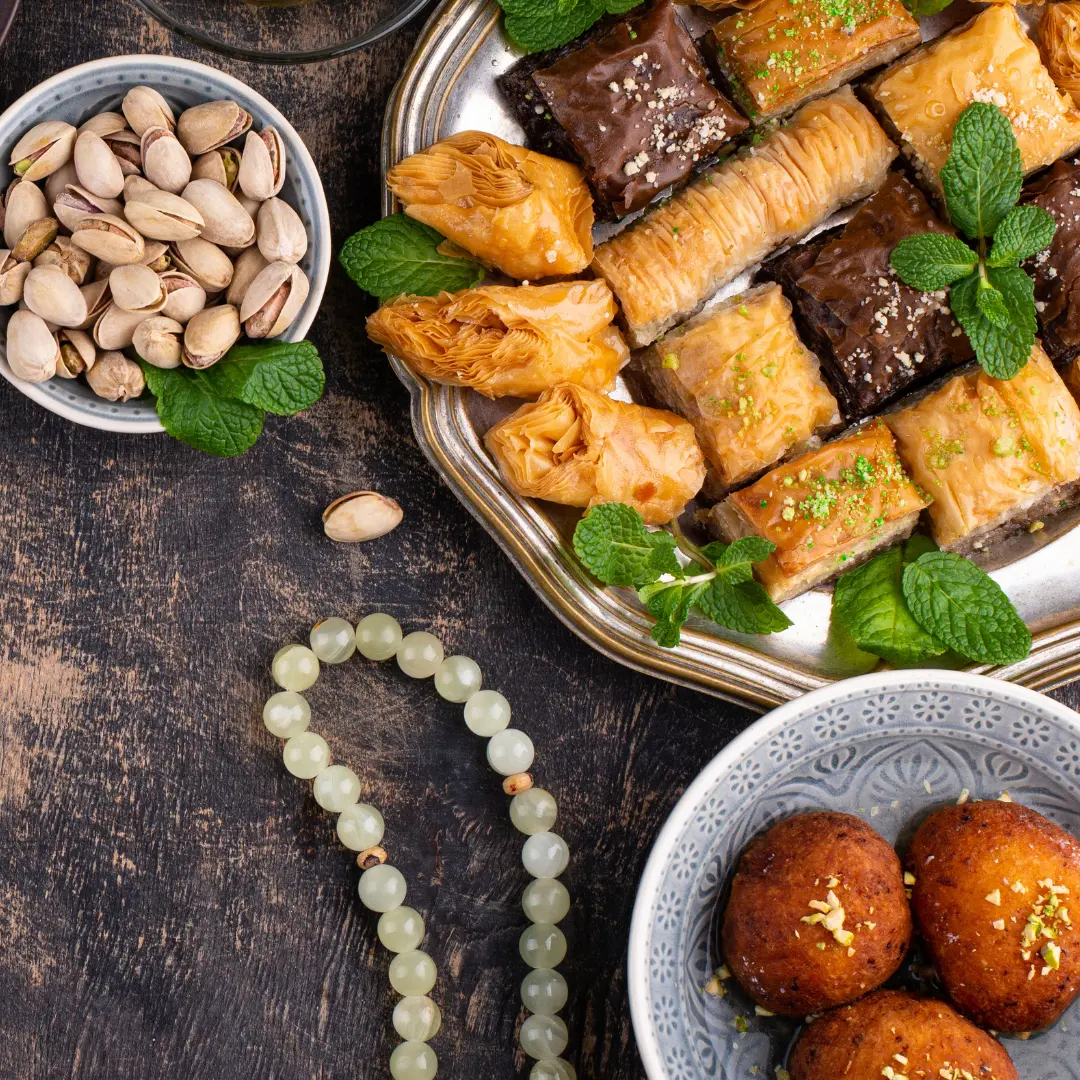
Iftar happens at sunset. People have been fasting all day. Energy is low. Emotion can be heightened. The first few minutes matter. Traditionally, the fast is broken with:
- Dates
- Water
- Arabic coffee
- Sometimes laban or soup
Do not rush into business conversation the moment you sit down. Let the rhythm unfold. There is often a prayer after breaking the fast. Be observant. Be respectful. Even if you are not fasting, you are stepping into a moment that holds spiritual meaning. This is not performative respect. It is quiet awareness.
Rule #3: Dress Is Communication
Ramadan is not the time for excess. Elegance should lean toward modesty.
For women:
- Covered shoulders.
- Longer hemlines.
- Soft, understated glamour.
- Avoid overly tight silhouettes.
For men:
- Well-tailored, polished.
- No flashy statements.
- Understated confidence.
This is not about restriction. It is about alignment. The Gulf reads visual signals with precision. During Ramadan, those signals matter more.


Rule #4: Do Not Overeat — And Do Not Under-Appreciate
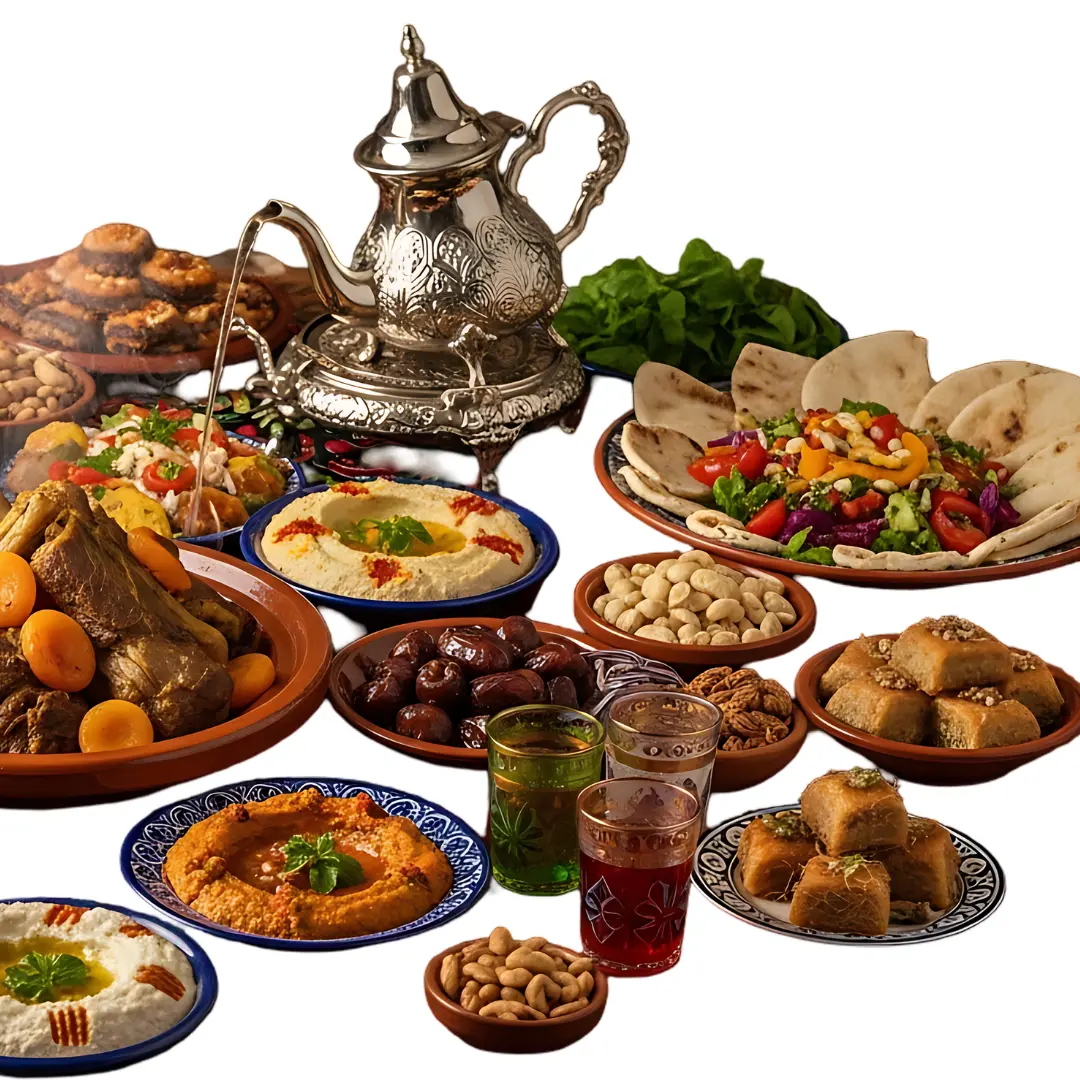
You will likely be offered abundance. Multiple courses. Generous platters. Insistence. Refusing everything appears cold. Overindulging appears unaware.
The balance is simple: Taste. Appreciate. Express gratitude.
If something is offered repeatedly, it is generosity — not pressure. You can say, gently: “Everything is delicious, thank you. I am completely spoiled.” Tone matters. Warmth matters. The host’s pride is tied to your experience.
Rule #5: Conversation Is a Test of Emotional Intelligence
Here is where many Western professionals misstep. They assume Iftar is a softer extension of business.
It is not.
Topics to lean toward:
- Family.
- Travel.
- Culture.
- Vision.
- Shared experiences.
- Reflections on Ramadan.
Topics to avoid:
- Aggressive negotiation.
- Political critique.
- Complaints about “slow progress.”
- Overt sales energy.
Ramadan is about intention. If your energy feels transactional, it will be felt. And remembered.
Rule #6: The Follow-Up Is Everything
This is where the invisible rulebook becomes very clear. You do not treat Iftar like a dinner event. You follow up personally. Within 24 hours. Not with: “Great to meet. As discussed, please see attached proposal.”
But with: “Thank you for welcoming me to your table during Ramadan. It was an honour to share Iftar with you and your family.”
Reference a moment. A story. A laugh. That is how trust compounds. Only later — if appropriate — do you reintroduce business. Relationships first. Always.


The Private Iftar: A Different Level Entirely
If you are invited to a private home, understand this: You are entering the inner circle. Homes in the Gulf are sacred spaces. If family members are present, observe dynamics. Greet elders first. Stand when appropriate. Small gestures carry weight. I once watched a senior executive lose quiet credibility because he sat before the host gestured for him to do so.
No one corrected him. But the energy shifted. These are micro-moments. They define perception.
The Corporate Iftar: Still Personal
Luxury hotels in Riyadh, Jeddah, Doha, Dubai and Abu Dhabi host spectacular Iftar tents. They are visually impressive. They feel grand. But do not mistake scale for informality. Even in corporate settings, Ramadan etiquette applies. Pacing matters. Tone matters. Presence matters. If the evening ends earlier than a typical Gulf dinner, accept that rhythm. Ramadan reshapes time. Respect that.
What Western Professionals Often Get Wrong
Let’s be honest. The most common mistakes I see:
- Treating Iftar as a networking opportunity.
- Arriving late.
- Leaving abruptly.
- Posting excessively on social media without discretion.
- Wearing culturally tone-deaf outfits.
- Turning the conversation back to themselves.
- Forgetting to follow up properly.
And perhaps most subtle: They fail to read that an invitation during Ramadan is often a trust acceleration moment. You are being observed in a different environment. Less formal. More human. More revealing. How you behave in that environment tells people who you are beyond your title. And in the Gulf, who you are matters more than what you do.
The Power Shift That Happens at Iftar
Ramadan equalises rooms. CEOs sit beside family members. Royals sit beside entrepreneurs. Children are present. Grandparents are present. The hierarchy softens. Which means your emotional intelligence becomes more visible than your job description.
Are you patient?
Are you attentive?
Are you humble?
Do you listen?
Do you understand rhythm?
This is why I say repeatedly: Technology accelerates. Relationships decide. During Ramadan, that truth is magnified.
When You Cannot Attend
Sometimes schedules genuinely clash. If you must decline:
- Express sincere regret.
- Acknowledge the significance.
- Offer an alternative moment after Ramadan.
- Send a Ramadan greeting.
Silence is not appropriate. Indifference is remembered.
Ramadan is about intention. People are more reflective. More spiritually anchored. More observant of behaviour. If you approach Iftar with: “What can I get from this?” You will feel out of sync. If you approach with: “How can I honour this moment?” You will be remembered. The Gulf has a long memory for those who show up well during sacred times.
Why This Matters More Than Ever
The Gulf is moving at extraordinary speed. Vision 2030 in Saudi Arabia. Strategic expansion in the UAE. Global positioning in Qatar. Cultural diplomacy across the region. Deals are being made. Partnerships are forming.
But the truth is: You will not access the most meaningful opportunities without trust. And trust in the Gulf is rarely built in boardrooms alone. It is built:
- At dinner tables.
- During family moments.
- In shared rituals.
- Through cultural fluency.
Iftar is one of those rituals. And it is one of the clearest diagnostic tools of your cultural intelligence.
If I had to distill everything into one sentence: Ramadan is not a pause in business. It is a shift in how business is decided.
If you understand that, you move differently. You listen more. You push less. You read energy. You prioritise presence over performance. And that is where real influence begins.
Cultural intelligence is not a “nice-to-have.” It is a competitive advantage. The professionals who thrive in the Gulf are not the loudest. They are the most attuned. If you want to master these invisible rulebooks — not just during Ramadan but year-round — this is exactly why I created:
📘 The Gulf Success Etiquette Playbook
A practical, strategic guide to navigating Gulf business culture with confidence and credibility. From greetings to hierarchy, from silence to symbolism — it gives you the clarity most people never receive.
Some of you are operating at a higher level. You are dealing with:
- Royal courts.
- Family offices.
- Sovereign entities.
- High-net-worth private networks.
- Strategic partnerships worth millions.
In those rooms, nuance matters exponentially. That is where my 1:1 consultancy comes in. Private, tailored, strategic advisory for executives and founders who want to move in the Gulf with authority and cultural fluency. If you want to ensure you never misread a room — especially during Ramadan — you can book a confidential consultation here.
Ramadan will come and go. Invitations will be extended. Moments will appear. The question is not whether you will be invited. The question is whether you will understand what that invitation truly means. And in the Gulf, understanding is everything.

Corina is a Middle East Strategist and Founder of Star-CaT. Over the past 20 years, she's helped thousands of clients overcome their anxieties and misconceptions about the Gulf region, and take advantage of the incredible opportunities available to them.

Related Posts
This Post Has 0 Comments