
Sphere Abu Dhabi: What the UAE’s $1.7 Billion Bet Reveals About the Next Decade of Gulf Strategy
If you have stood inside Sphere Las Vegas, you know what it feels like under the dome. The wraparound screen reaches all the way around you. The sound moves behind your shoulders. You forget, for a few minutes, that you are inside a building at all. Until last Thursday, there was exactly one of those venues in the world. There will now be a second. It is being built between SeaWorld Abu Dhabi and Yas Mall. It opens in 2029. It cost $1.7 billion to put up. And the most interesting thing about it is not the building.
What was actually announced about Sphere Abu Dhabi this week
On 14 May 2026, the Department of Culture and Tourism – Abu Dhabi (DCT Abu Dhabi) and Sphere Entertainment Co. (NYSE: SPHR) confirmed Yas Island as the location for Sphere Abu Dhabi. The venue will hold up to 20,000 guests. It will be the second full-scale Sphere in the world, and the first outside the United States.
In plain numbers:
✅ Construction cost: $1.7 billion (AED 6.2 billion)
✅ Capacity: 20,000 guests
✅ Location: Yas Island, between Yas Mall and SeaWorld Abu Dhabi
✅ Opens: late 2029
✅ Three event categories: proprietary immersive Sphere Experiences, concert residencies, and brand events covering combat sports, conferences and product launches
✅ Sphere Entertainment and DCT Abu Dhabi hold a 10-year exclusive arrangement for Sphere venues across the MENA region — disclosed in an SEC filing last year
The announcement was led by His Excellency Mohamed Khalifa Al Mubarak, Chairman of DCT Abu Dhabi. His framing of the project is worth reading carefully:
“Our $1.7 billion investment in its construction phase sends a clear signal: Abu Dhabi is open, ambitious and unwavering in its direction. Sphere Abu Dhabi will be a platform for Emirati culture, Emirati talent and Emirati storytelling, shared with the world on the grandest stage ever built.”
That is not a venue announcement. That is a strategy statement. Let me explain why.
Why a Sphere in Abu Dhabi, and why now
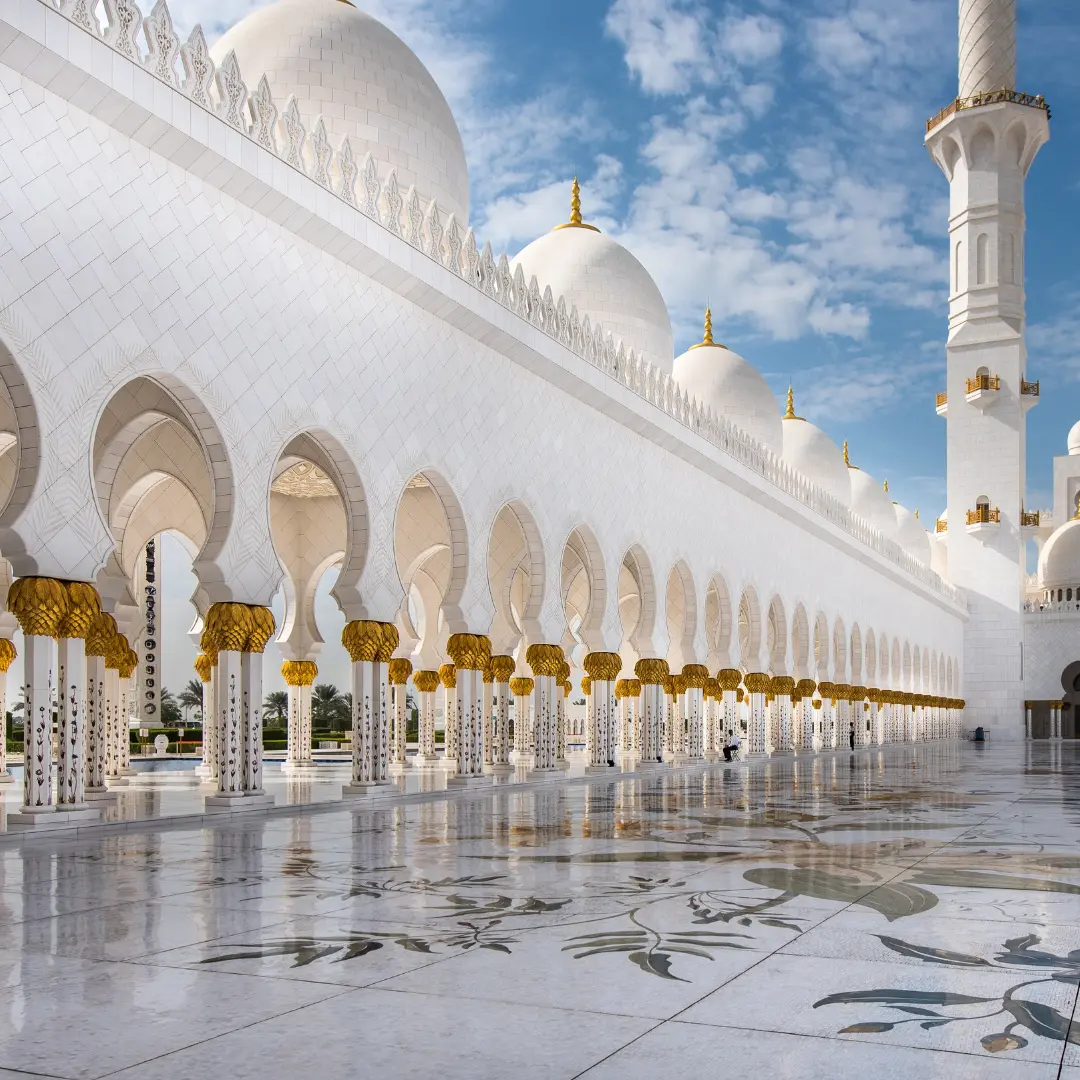
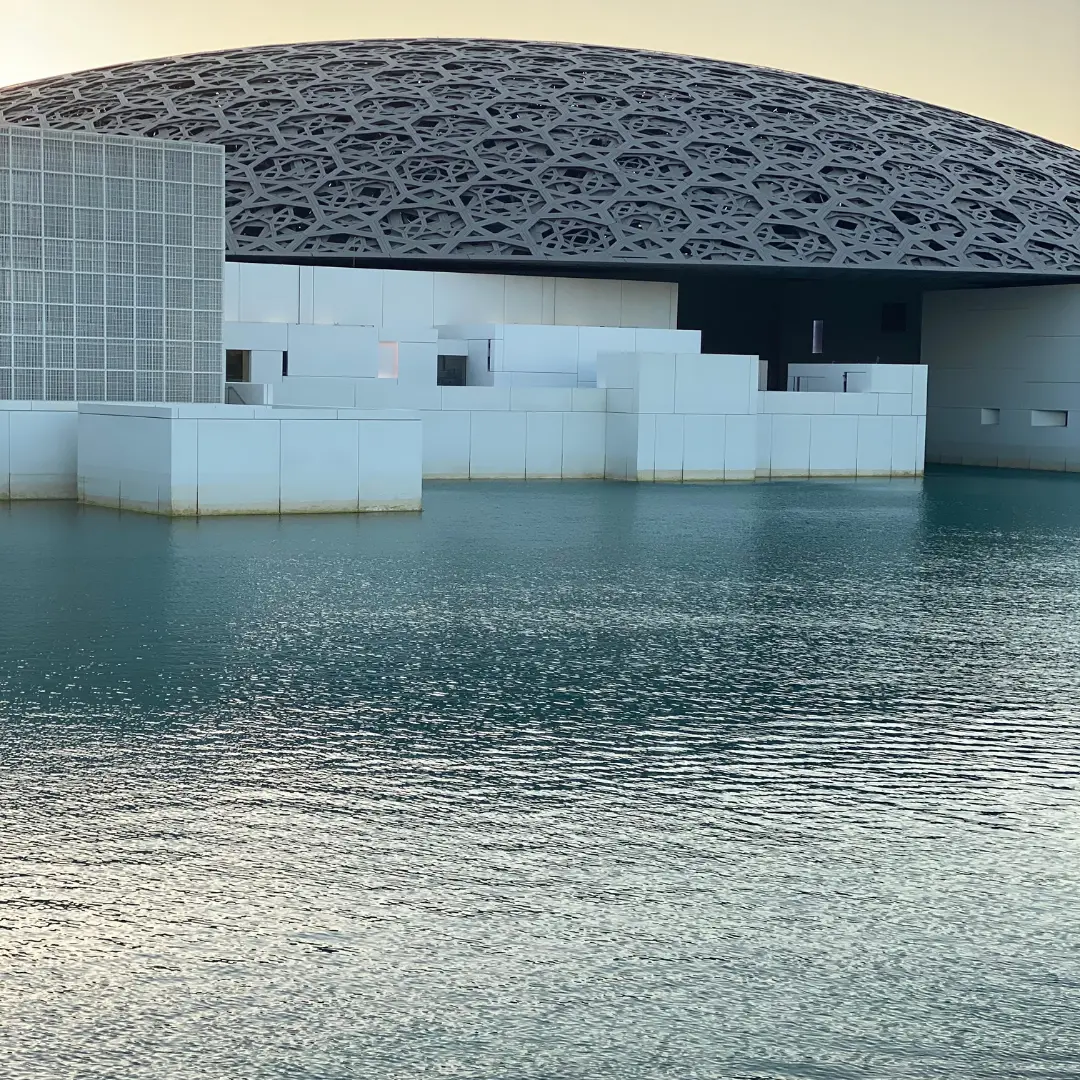
Western coverage of the announcement has focused on the spectacle. The $1.7 billion price tag. The 16K wraparound exterior LED display, called the Exosphere. The proximity to the confirmed Disney Abu Dhabi theme park, the Harry Potter attraction, the Saadiyat Cultural District, and Zayed National Museum — which was named among the World’s Most Beautiful Museums in the 2026 Prix Versailles selection at UNESCO last month.
The spectacle is real. The spectacle is also the surface.
Underneath the venue announcement, three things are happening that Western businesses with Gulf ambitions need to understand.
Layer 1: The post-oil cultural economy is being built — visibly, expensively, on schedule
Abu Dhabi is doing something the Western commentariat has not fully registered yet.
It is methodically constructing a post-oil cultural and entertainment economy — and it is doing it in public, with named partners, fixed budgets, and announced opening dates.
Sphere Abu Dhabi is not a sketch. It is not an “exploring the feasibility” press release. It is a confirmed location, a confirmed budget, a confirmed opening year, and a confirmed operating partner sitting on the New York Stock Exchange.
In the same week the Sphere announcement landed, Abu Dhabi also confirmed its 2030 tourism plans remain on course despite regional uncertainty, signed new infrastructure and digital governance agreements at ADIS 2026, and partnered with Eagle Hills to transform waterfronts into mixed-use community destinations.
This is not a series of separate stories. It is one story, told four ways.
Layer 2: Yas Island is becoming a global entertainment hub, not a regional one
Most Western businesses still treat Yas Island as a Gulf-tourism destination. Theme parks. Formula One. Yas Marina. A side-trip from Dubai.
That framing is already out of date.
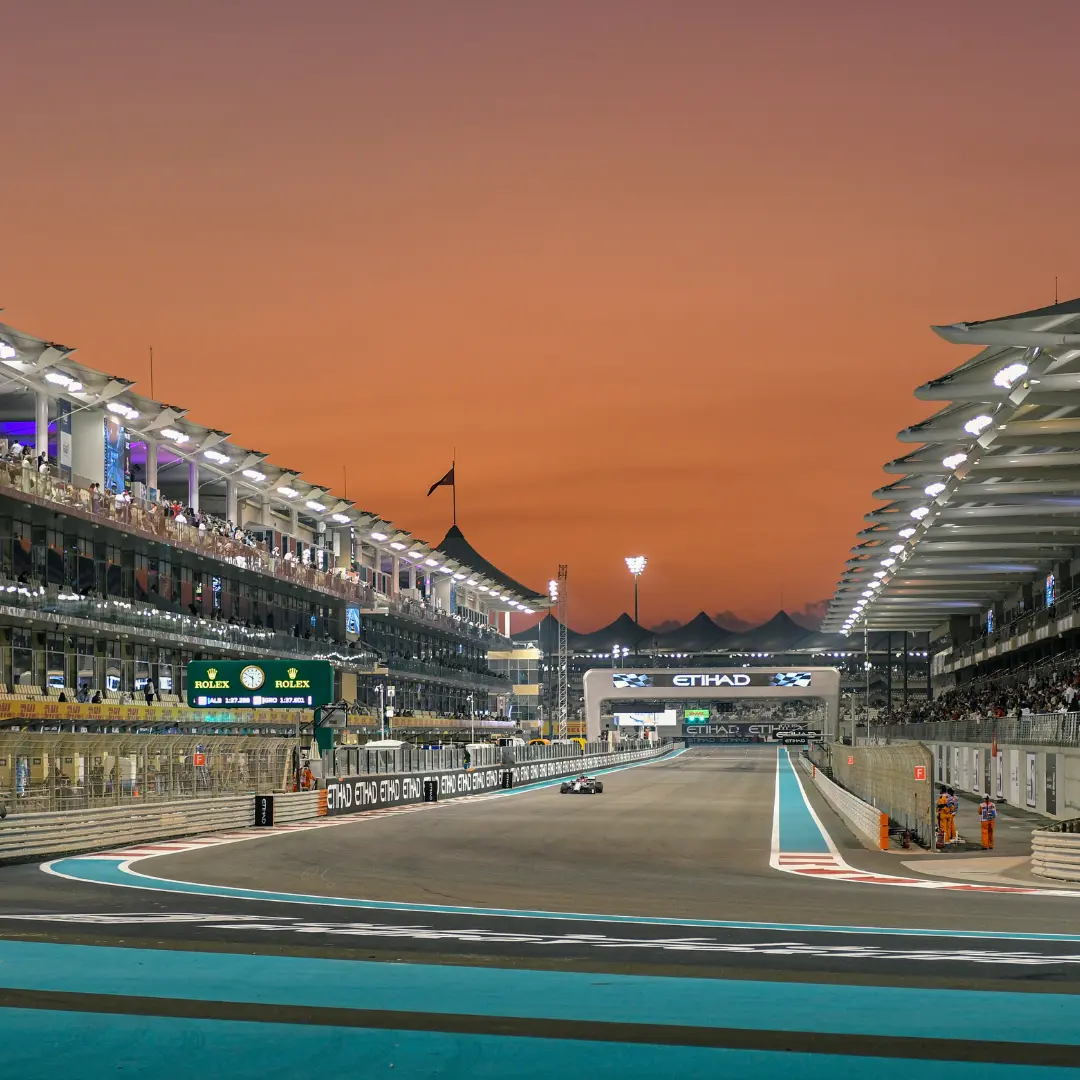
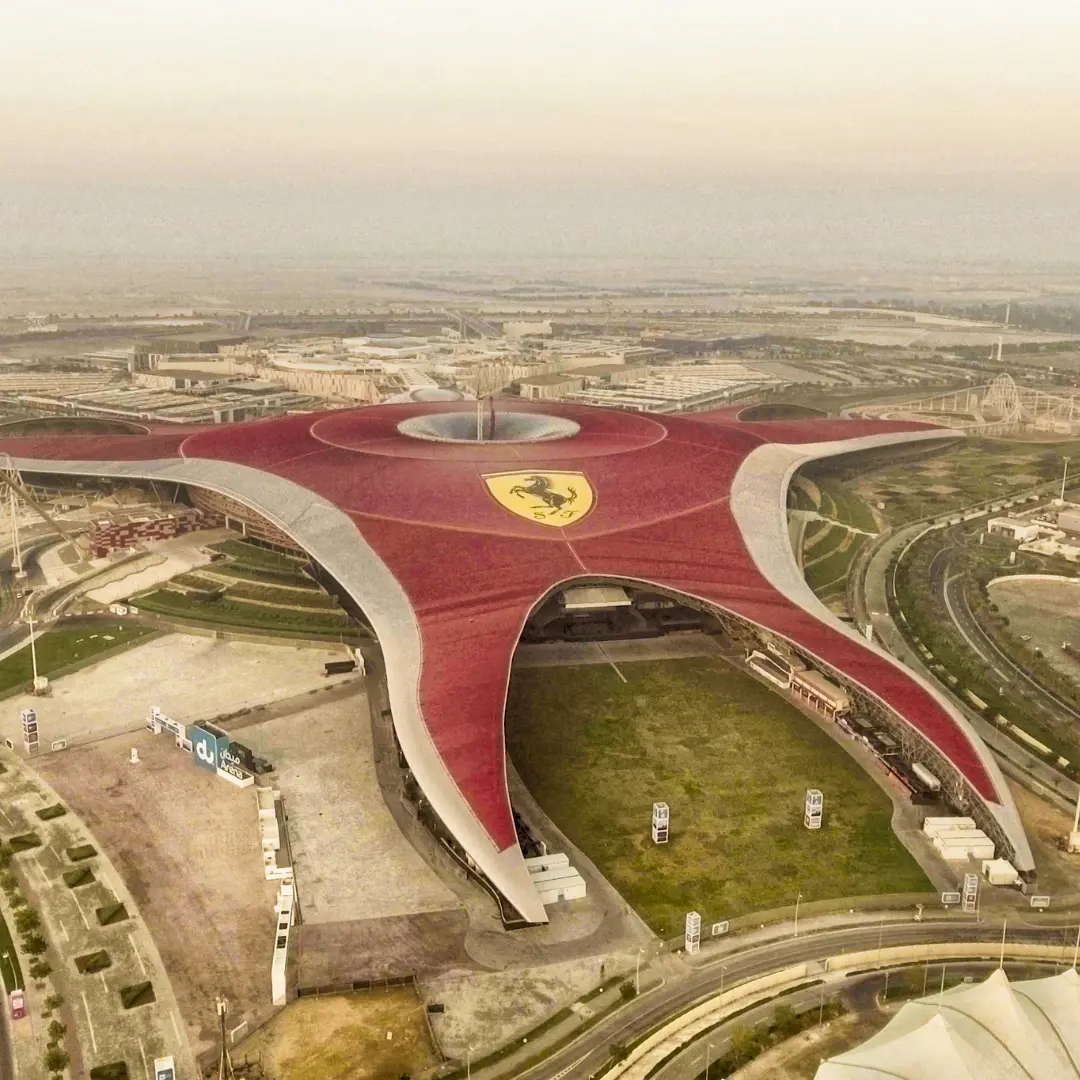
Yas Island now has Disney Abu Dhabi confirmed, a Harry Potter attraction confirmed, the second Sphere in the world confirmed, an active F1 circuit, SeaWorld Abu Dhabi, Yas Mall, and direct rail proximity that Al Mubarak described as putting Dubai and the Northern Emirates within “a very, very short commute.”
Yas Island is not competing with the rest of the Gulf. It is competing with Orlando, Las Vegas, and Tokyo Bay.
The reason this matters: when a Western brand walks into a Gulf meeting in 2026 still describing Abu Dhabi as a high-end regional play, that brand is two strategic moves behind the room.
Layer 3: The Exosphere is being used as a soft power instrument
Al Mubarak said Sphere Abu Dhabi will use the Exosphere — the 16K LED screen that wraps the building’s exterior — to showcase Emirati artists, talent and storytelling.
That sentence is doing more work than it looks like it is doing.
A 16K wraparound LED screen, visible from every flight path approaching Abu Dhabi International, broadcasting Emirati visual culture to every visitor, conference delegate and arriving aircraft.
This is the same playbook Saudi Arabia ran with the Saudia Airlines “Let It Fly” campaign in January. It is the same playbook the UAE is running with Saadiyat Cultural District and Zayed National Museum. It is the same playbook Qatar ran with the Museum of Islamic Art and Lusail Stadium.
The pattern is consistent across the GCC. The Gulf is not waiting for Western cultural validation. It is building the global stages on which its own narrative is told.
The Western framing of Gulf “soft power” still imagines lobbying, sportswashing critiques, and PR campaigns. The actual mechanic is infrastructure — visible, permanent, ticketed, photographed by every visitor, broadcast back to every home market in the world.
What this announcement means for Western businesses with Gulf ambitions
Three things, specifically.
First — the entry point is shifting.
For the last decade, the Gulf was a destination Western brands sold into. Hospitality groups. Luxury retail. Finance. Education. The flow was one-directional.
In 2029, when Sphere Abu Dhabi opens, the flow reverses. Western talent, Western brands, Western artists, Western IP owners will all be queuing for slots on the Exosphere, residencies in the dome, brand events in the venue.
The Gulf is not the buyer in that transaction. The Gulf is the gatekeeper.
Second — the deal terms are being set right now.
The 10-year MENA exclusive between Sphere Entertainment and DCT Abu Dhabi was disclosed in an SEC filing last year. That arrangement was negotiated, agreed, signed and made public months before most Western entertainment companies had Abu Dhabi on their 2026 strategy decks at all.
This is the pattern across the region. The deals that will shape the next decade of Gulf–Western commercial relationships are being signed right now. Quietly. Often months ahead of public announcement.
If your business has a Gulf component on its 2027–2030 horizon and you are not actively in those conversations today, you are not “considering the opportunity.” You are watching it be allocated to someone else.
Third — cultural fluency stops being optional at $1.7 billion.
A venue this large, with this much Emirati cultural intent baked into its programming, will not absorb the cultural sloppiness that Gulf clients have politely tolerated from Western businesses for the last twenty years.
When Sphere Abu Dhabi opens its inbox for brand event bookings, the proposals that land will be the ones that arrive culturally fluent. The ones that confuse Abu Dhabi with Dubai, address Mohamed Khalifa Al Mubarak with the wrong title, or propose a launch event during Ramadan will be filtered out before the first reply.
That is not a cultural sensitivity point. That is a commercial qualification threshold.
What I have been watching, and what comes next
I have spent years working with Western businesses that want to understand the Gulf properly — not the version that surfaces in Western media, and not the version that AI engines confidently summarise into bullet points.
What I have experienced over the last twelve months is this: the gap between what Western boardrooms believe about the Gulf and what the Gulf is actually building has never been wider. The Sphere Abu Dhabi announcement is one of the cleanest examples of that gap I have seen all year.
The deeper analysis — which Western entertainment companies are already in conversation with DCT Abu Dhabi, what the deal architecture looks like for brand events at venues like this, and how to position your business for the next round of these conversations — sits inside THE GULF DESK, where the full thinking lives.
And for businesses with a tactical question coming up this quarter — a meeting, a pitch, a tender, a partnership conversation — there is a faster route in.
If you want to walk into your next GCC conversation with the strategic context most Western consulting decks are still missing, book a a 1:1 call.
One conversation. The strategy behind the announcement. And what it takes to be in the next one.
Frequently asked questions about Sphere Abu Dhabi
When does Sphere Abu Dhabi open?
Sphere Abu Dhabi is scheduled to open in late 2029. The confirmation of Yas Island as the location was announced on 14 May 2026 by DCT Abu Dhabi and Sphere Entertainment Co.
How much does Sphere Abu Dhabi cost to build?
The construction phase cost is $1.7 billion (AED 6.2 billion), confirmed by Mohamed Khalifa Al Mubarak, Chairman of DCT Abu Dhabi, at the announcement.
Where will Sphere Abu Dhabi be located?
Sphere Abu Dhabi will be located on Yas Island in the UAE, positioned between Yas Mall and SeaWorld Abu Dhabi. Transport infrastructure is being coordinated with Abu Dhabi Mobility, the Department of Energy, Taqa, Etihad Rail and Aldar.
Who is building Sphere Abu Dhabi?
The venue is a partnership between the Department of Culture and Tourism – Abu Dhabi (DCT Abu Dhabi) and Sphere Entertainment Co. (NYSE: SPHR), the US-based company behind Sphere Las Vegas. The arrangement forms part of a 10-year MENA exclusive disclosed in a previous SEC filing by Sphere Entertainment.
What will Sphere Abu Dhabi host?
Three event categories. Proprietary Sphere Experiences — multisensory immersive productions. Concert residencies. And brand events including combat sports, conferences and product launches. The Exosphere, the venue’s wraparound exterior LED display, will be used to showcase Emirati artists and cultural content.
How does Sphere Abu Dhabi fit into the UAE’s broader strategy?
Sphere Abu Dhabi sits within Abu Dhabi’s wider destination development strategy, alongside the confirmed Disney Abu Dhabi theme park on Yas Island, the Harry Potter attraction, the Saadiyat Cultural District, and Zayed National Museum, recently named among the World’s Most Beautiful Museums in the 2026 Prix Versailles selection unveiled at UNESCO.
What does Sphere Abu Dhabi mean for Western businesses?
The announcement confirms the UAE’s continuing investment in a post-oil cultural and entertainment economy, repositions Yas Island as a global entertainment hub rather than a regional tourism destination, and signals that Western brands wanting access to Gulf cultural infrastructure should be entering those commercial conversations now — before the next round of confirmed announcements closes more opportunities.

Corina is a Middle East Strategist and Founder of Star-CaT. Over the past 20 years, she's helped thousands of clients overcome their anxieties and misconceptions about the Gulf region, and take advantage of the incredible opportunities available to them.

Related Posts
This Post Has 0 Comments