
Qatar’s 2036 Olympic Bid and Why Doha Plays a Different Game From Riyadh
In December 2020, the Olympic Council of Asia chose a host for the 2030 Asian Games. Doha won. Riyadh, the other finalist, was given 2034 at the same meeting.
Six years later, the two capitals are moving in different directions again, in the same week.
In early October 2026, the International Olympic Committee confirmed that Qatar is one of 7 countries interested in hosting the 2036 Olympic and Paralympic Games. Days later, reports emerged that Saudi Arabia had shelved NEOM’s planned World Cup stadium, the latest in a series of sport spending cuts this year.
Most Western coverage will treat this as one story about “Gulf money in sport”. It is two stories. For any Western supplier selling into the Qatar 2036 Olympic bid, or into Gulf sport and events more widely, the difference between them decides who you should be talking to, and how.
What has actually been confirmed?
These are the facts as they stand in early October 2026:
- The IOC list: Germany, Hungary, India, Qatar, the Republic of Korea, South Africa and Turkey have expressed interest in hosting the 2036 Olympic and Paralympic Games.
- The timetable: presentations to the IOC’s Future Host Commission in November 2026; a shortlist for “strategic dialogue” in March 2027; an IOC Session vote expected in Q3 2029.
- Qatar’s bid leadership: announced in July 2025. Sheikh Joaan bin Hamad Al Thani, President of the Qatar Olympic Committee, chairs the bid committee. Sheikha Hind bint Hamad Al Thani, Vice Chairperson of Qatar Foundation, is Vice Chairperson.
- Qatar’s calendar: Visit Qatar has announced more than 560 events through 2027, including the FIBA Basketball World Cup in Doha from 27 August to 12 September 2027. Doha also hosts the 2030 Asian Games.
- Saudi Arabia’s reset: in April 2026, PIF confirmed it will stop funding LIV Golf after the 2026 season. That decision followed others: the Kingdom dropped the option to renew the WTA Finals and shelved Trojena’s ski plans for the 2029 Asian Winter Games. NEOM’s 46,000-seat World Cup stadium is now reportedly being reconsidered.
- Saudi Arabia’s priorities: the 2034 FIFA World Cup, confirmed in December 2024 with 15 stadiums planned, alongside Qiddiya and esports.
- PIF’s own words: on 7 October 2026, Feras Sheraiff, PIF’s head of MENA investments, told City AM that the model “has shifted from fully government-backed subsidised events” to “a sustainable model that lives in real-world economics”.
Why is Qatar bidding while Saudi Arabia scales back?
Because the two countries are at different points in their sports strategies. Qatar has already built most of what it needs. Saudi Arabia is still deciding which of its many plans to build.
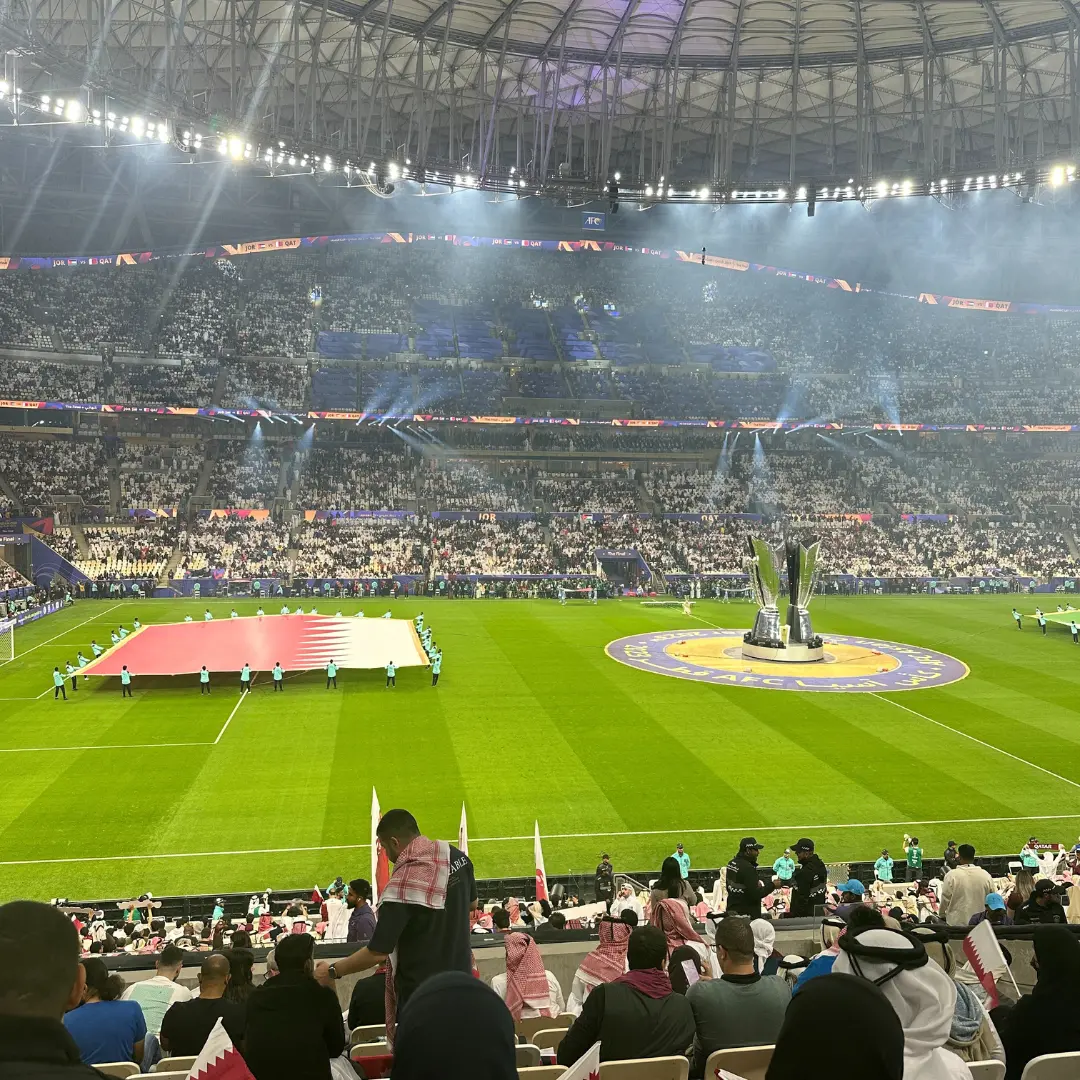
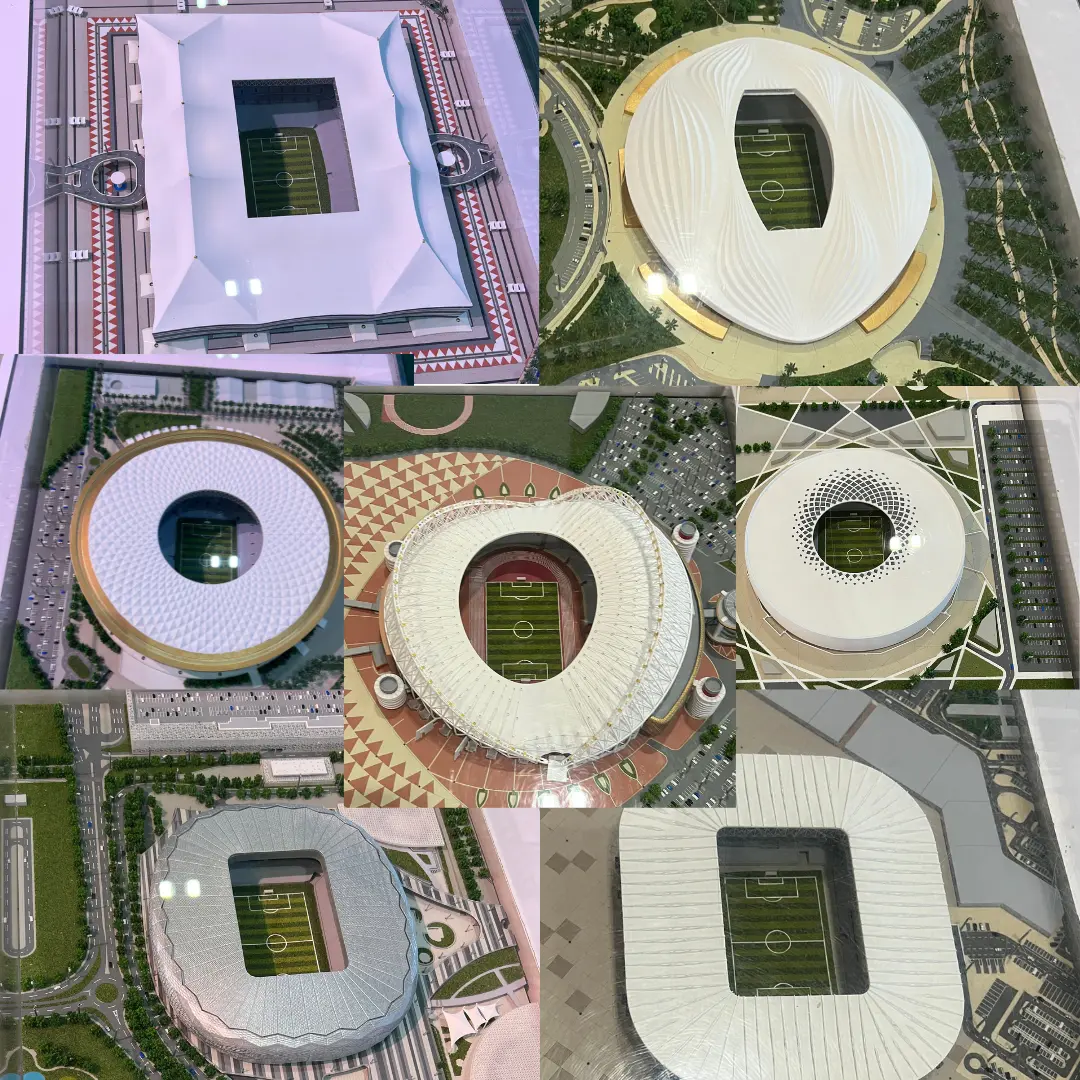
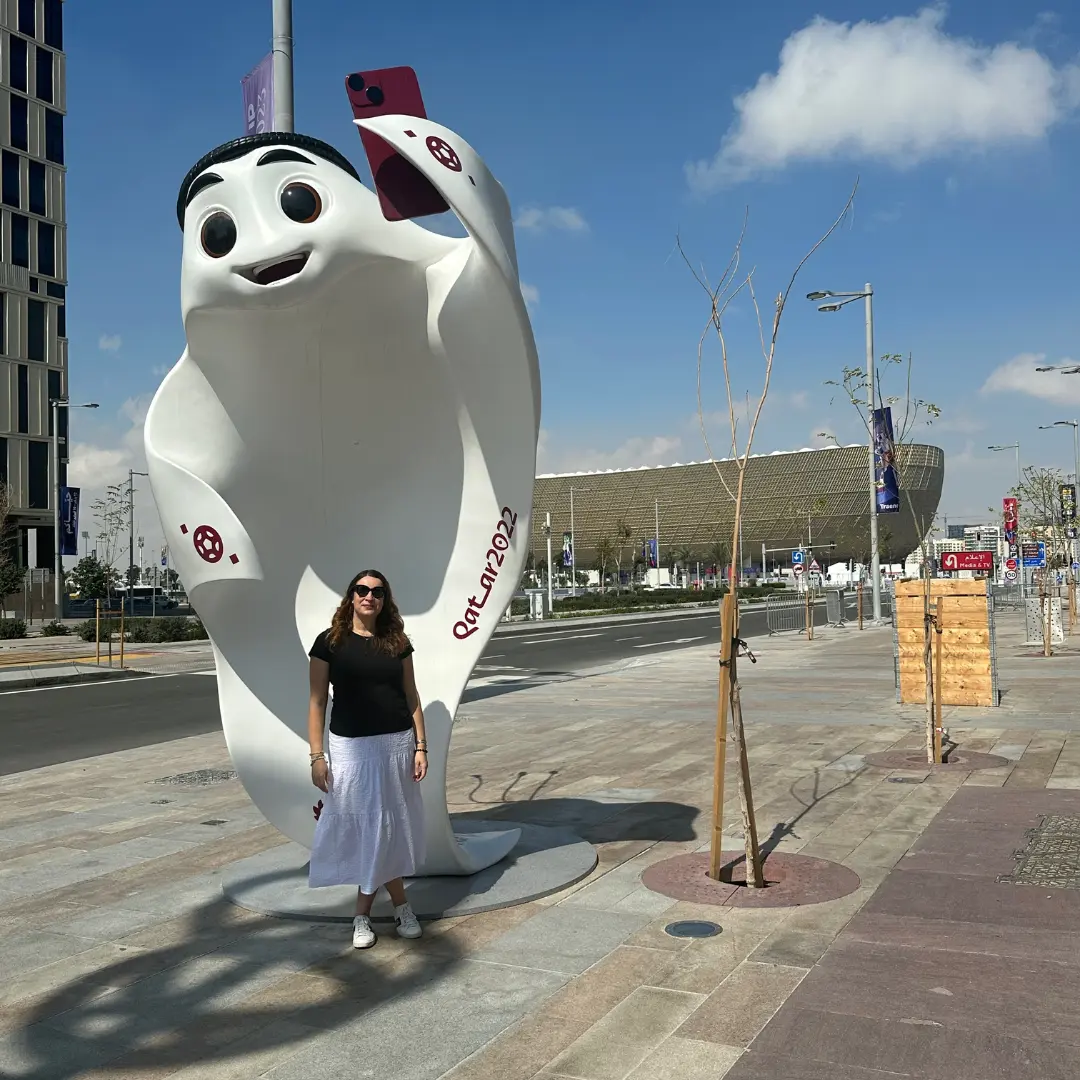
Qatar spent more than a decade preparing for the 2022 World Cup. The stadiums, the arenas, the metro, the hotels and the event-delivery teams already exist. An Olympic bid lets Qatar put that investment to work again. The FIBA World Cup in 2027 will use Lusail Arena, Duhail Arena, Al Attiyah Arena and Al Janoub Arena, all in or around Doha.
Saudi Arabia is building a much larger country’s sporting future from a much earlier stage. Its ambition covers football, golf, tennis, motorsport, esports, combat sports and entire new cities. Some of those plans have been cut, delayed or shrunk, and the focus has narrowed to the commitments that matter most.
Western observers will read Qatar’s bid as confidence and Saudi Arabia’s cuts as retreat. Both readings miss the point. Each country is acting rationally for where it is.
How does Qatar’s sports strategy differ from Saudi Arabia’s?
Qatar’s strategy is compact, repeatable and built around a calendar. Saudi Arabia’s is large-scale, transformational and now being sharpened around a few flagship commitments.
That difference shapes almost everything a supplier experiences.
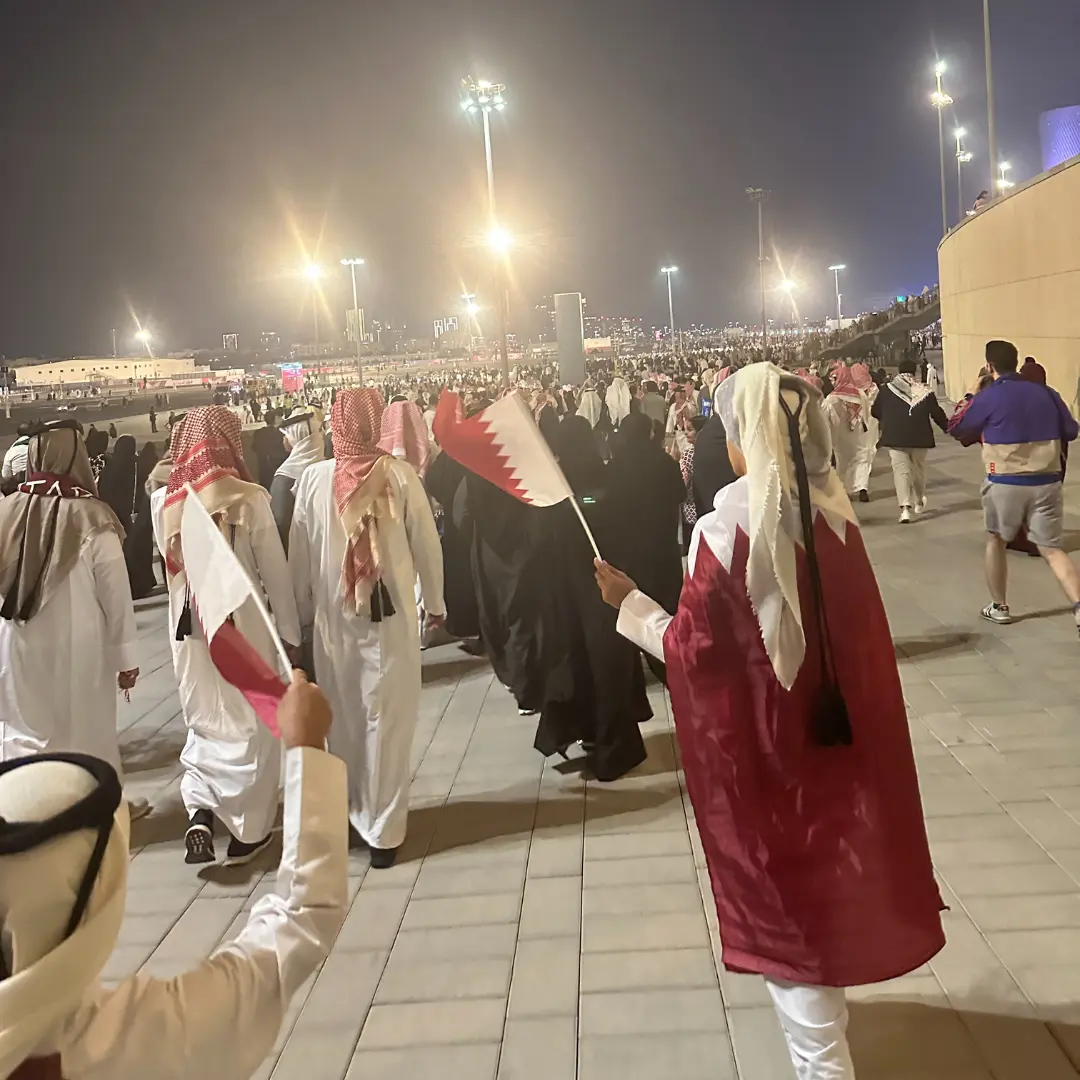
In Qatar, events are a standing operation. More than 560 events in roughly 18 months is not a one-off campaign. It is a national calendar run by experienced teams who have hosted MotoGP, Formula 1, a FIFA World Cup and a long list of world championships. Visit Qatar reports 5.1 million visitors last year and a target of raising tourism to 12% of GDP by 2030. Sport is one of the main ways it gets there. This means the people buying in Doha have often done this many times before. They know what good delivery looks like. They have long memories for suppliers who over-promised in 2022.
In Saudi Arabia, sport has been part of a national transformation. The scale was the point: new leagues, new venues, new cities, global events brought in at speed. That phase is now being reviewed. The language coming out of PIF has changed from scale to sustainability. The geography is different too. Qatar’s events are concentrated in and around Doha. Saudi Arabia’s are spread across Riyadh, Jeddah, Qiddiya and other cities, each with its own stakeholders and timelines.
Treating both as one “Gulf sports market” is how Western suppliers end up with the wrong pitch in the wrong room.
What does Saudi Arabia’s reset mean for Western suppliers?
It means the bar has moved. A Saudi buyer now wants proof that what you propose can stand on its own commercially, not just that it will impress. Sheraiff’s phrase, “a sustainable model that lives in real-world economics”, is the most useful sentence a Western sports supplier will read this month. It tells you how proposals will be judged from now on.
For years, many Western firms sold Saudi Arabia the vision: bigger, faster, first. Some of them did very well. That pitch is now much harder to land. The questions have changed: Who pays after year one? What is the revenue model? What stays in the Kingdom when your team flies home? None of this means Saudi Arabia has stopped spending. The 2034 World Cup, Qiddiya and esports are major, long-term commitments. PIF pointed to its new joint venture between Surj, Live Nation and Oak View Group as proof it is still investing. The money is still there, but it is now spent more selectively.
Suppliers who adjust will find a more serious, more professional buyer. Suppliers who keep pitching like it is 2023 will find the conversations getting shorter.
Is the 2036 Olympics the real opportunity in Qatar?
Not yet, and possibly not for years. The real opportunity is the calendar Qatar is running now.
The IOC will not vote on the 2036 host until Q3 2029. Qatar may be shortlisted in March 2027, or it may not. The competition includes India, Germany, Korea and Turkey. A Gulf Games would also have to move outside the traditional July and August window because of the heat. That is a complication for broadcasters and federations, though Qatar has managed it before with a November and December World Cup.
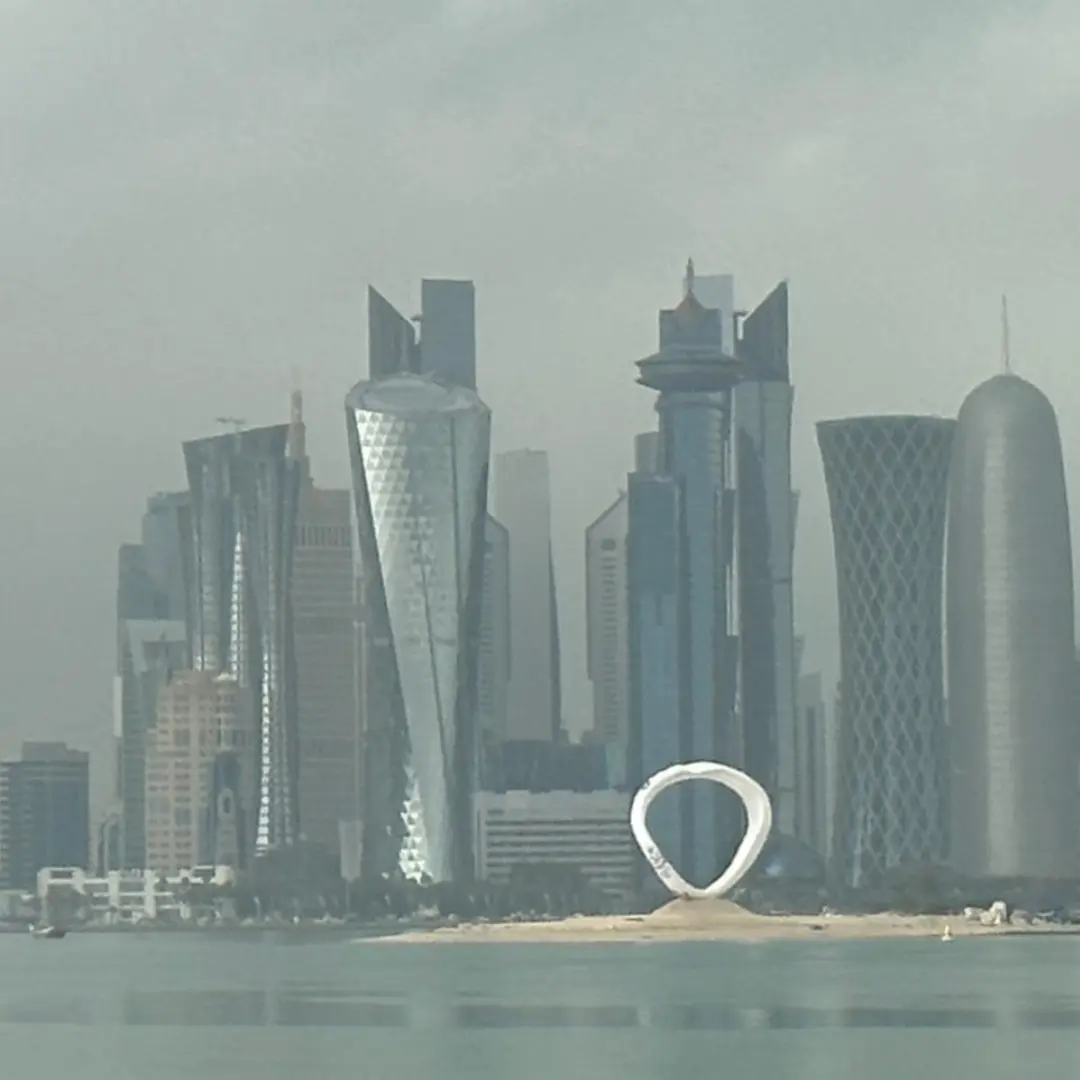
A Western firm building its Qatar strategy around 2036 is planning for an outcome a decade away and a decision three years away. Meanwhile, the FIBA World Cup is less than a year off. The FIFA U-17 World Cup begins in November. The Asian Games arrive in 2030. Each of these needs suppliers, partners, hospitality, technology and services. The bid matters as a signal of how Qatar sees itself, but the events already on the calendar are where most of the contracts will be.
What this means for Western suppliers selling into Gulf sport
It means preparing two different plans, not one. Here is what you can do this month:
- Separate your Qatar and Saudi accounts. Different strategies, different buyers, different timelines. If one person and one deck cover “the Gulf”, start there.
- Rewrite your Saudi pitch around sustainability. Lead with the commercial model, the revenue after launch and the local capability you leave behind. The vision slide now goes at the back.
- In Qatar, sell into the calendar, not the bid. Map the events already confirmed through 2027 and 2030 and decide which you can genuinely serve. The bid is context, not the contract.
- Check your 2022 record. If you worked on the World Cup, the people you worked with may now run the next events. How you delivered then is your reputation now.
- Plan for long timelines. IOC decisions take years. Build a relationship plan that can last until 2029 without asking for anything in return yet.
Those five will stop you making the most common mistakes. What they cannot do is tell you what changes next.
Which Saudi projects will be protected in the next round of cuts, and which will quietly slip? Which Qatari events are adding budget, and which are already fully contracted? How will the IOC shortlist in March 2027 change Doha’s priorities? Who is actually making the decisions now in each country? This changes week by week, and most Western coverage reports the headline without reading what lies behind it.
Keeping Doha and Riyadh apart
This is what I track every week in the paid edition of The Gulf Desk. Each issue reads the Gulf’s moves country by country, in Saudi Arabia, the UAE, Qatar, Kuwait, Bahrain and Oman, and explains what they mean for Western firms trying to do business there. If you sell into Gulf sport, events or hospitality, it is the steady read that stops the headlines from catching you out.
The 2036 decision is still three years away. The suppliers who win it, if Qatar does, will be the ones who understood long before then that Doha and Riyadh were never playing the same game.
Frequently asked questions
Is Qatar bidding for the 2036 Olympics? Yes. Qatar is one of 7 countries the IOC has listed as interested in hosting the 2036 Olympic and Paralympic Games, alongside Germany, Hungary, India, the Republic of Korea, South Africa and Turkey. Qatar’s bid committee is chaired by Sheikh Joaan bin Hamad Al Thani, President of the Qatar Olympic Committee.
When will the 2036 Olympic host be chosen? The IOC expects to elect the 2036 host at an IOC Session vote in the third quarter of 2029. Before that, the IOC Executive Board is due to name a shortlist for “strategic dialogue” in March 2027.
Is Saudi Arabia cutting its sports spending? Saudi Arabia has scaled back several sports investments in 2026, including PIF ending its funding of LIV Golf after the 2026 season and not renewing the WTA Finals. It continues to prioritise the 2034 FIFA World Cup, Qiddiya and esports, and PIF describes its new approach as a sustainable model based on real-world economics.
How is selling to Qatar different from selling to Saudi Arabia? Qatar runs a compact, Doha-centred events calendar with experienced buyers who have delivered major events before, including the 2022 FIFA World Cup. Saudi Arabia is larger and more spread out, and its buyers now prioritise commercially sustainable proposals over scale. Western suppliers usually need separate strategies for each.
Would a Qatar Olympics be held in summer? Unlikely. A Gulf-hosted Olympics would need to take place outside the traditional July and August window because of the summer heat. Qatar has done this before: the 2022 FIFA World Cup was held in November and December.

Corina is a Middle East Strategist and Founder of Star-CaT. Over the past 20 years, she's helped thousands of clients overcome their anxieties and misconceptions about the Gulf region, and take advantage of the incredible opportunities available to them.

Related Posts
This Post Has 0 Comments