Your Gulf Client Was Promoted Months Ago. You Never Heard About It.
Strong Gulf client relationships depend on noticing appointments the week they happen. In Saudi Arabia, the UAE, Qatar and the wider Gulf, promotions are announced publicly by royal or federal decree, often with immediate effect, and congratulations arrive within days. A Western team that hears months later has missed the moment, and the person they want to keep close has noticed.
It is March. A director of sales at a London hotel is planning her summer Gulf campaign. She opens her best Saudi contact’s email thread and writes a warm note about the season ahead. It bounces.
A quick search tells her why. He was appointed to lead a new government authority in October. The announcement went out on the Saudi Press Agency on a Thursday evening. By Saturday he had received hundreds of messages. Hers was not one of them, and five months later she is only now finding out.
I have watched a version of this scene play out more often than I can count. It almost never comes from carelessness. It comes from a team that is busy selling, serving guests and hitting targets, with no one whose job it is to watch the Gulf every week.
Why do appointments matter so much in Gulf client relationships?
In the Gulf, an appointment is a public moment, and the people around the appointee notice who acknowledged it. In London, a promotion is a LinkedIn post that gathers forty likes. In Riyadh or Abu Dhabi, a senior appointment is published by the state news agency, reported in the press, and followed by a wave of calls and messages from colleagues, partners and suppliers.
That wave is what makes silence visible. When a hundred people have been in touch and you have not, your absence is noted. Nobody holds it against you dramatically, and that is the risk: there is no complaint to respond to. You simply move a little further down the list.
There is also a hard commercial reason. A new role changes who signs off on what. Your contact may now control a larger budget, a new project or a team you have never met. Or they may have moved on, and the person who inherited your account does not know you exist. Either way, the map of your account has changed and you are working from an old one.
How are appointments announced in Saudi Arabia, the UAE and the wider Gulf?
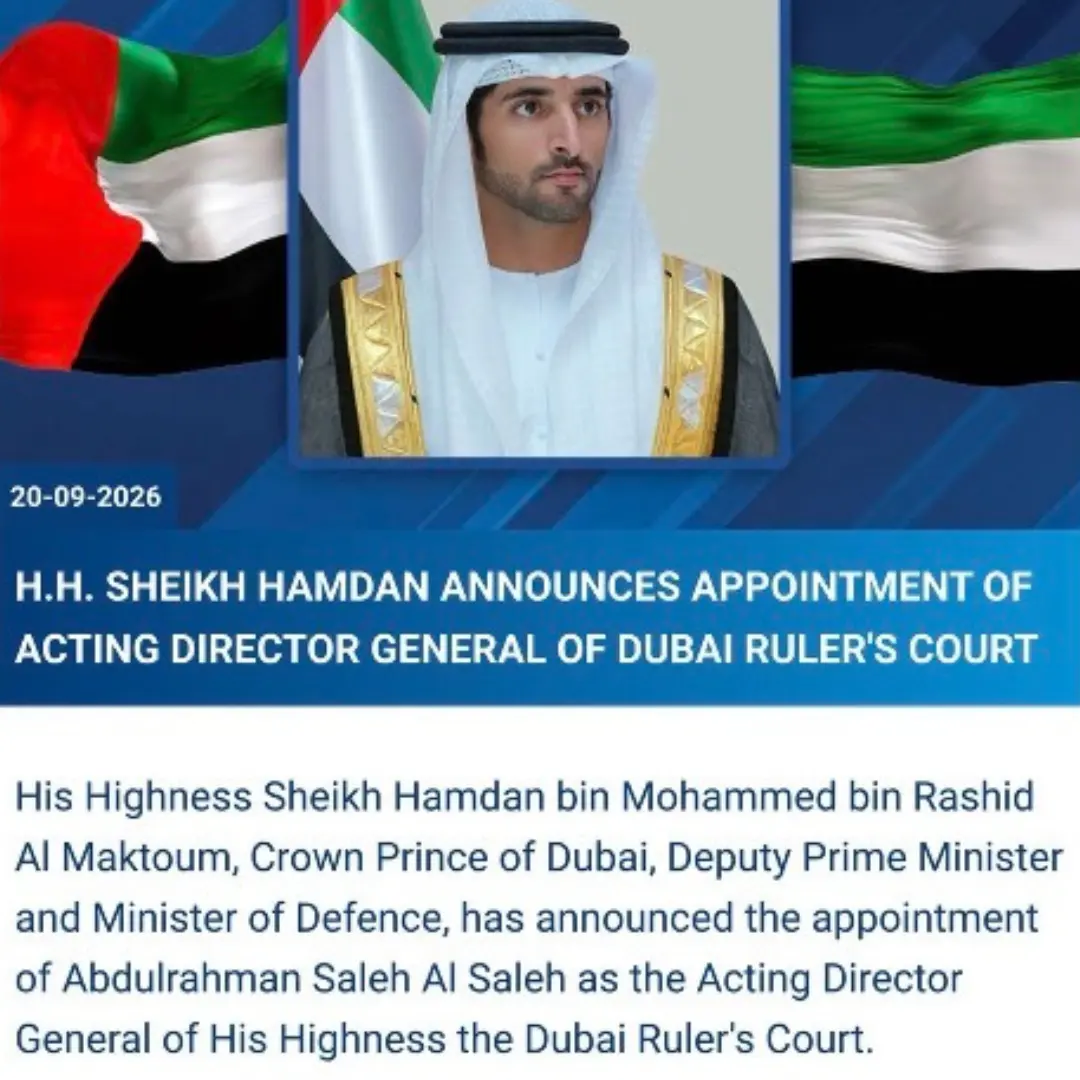
Most senior Gulf appointments are made by decree and announced through official news agencies, often late in the day and with immediate effect. Each country has its own instrument and its own channel, and a Western team needs to know where to look.
- Saudi Arabia: royal orders and Council of Ministers decisions, published by the Saudi Press Agency (SPA).
- United Arab Emirates: federal decrees and emiri decrees from individual emirates, published by the Emirates News Agency (WAM) and the emirates’ own media offices.
- Qatar: Amiri decrees, published by the Qatar News Agency (QNA).
- Kuwait, Bahrain and Oman: Amiri and royal decrees, published by KUNA, BNA and the Oman News Agency respectively.
The pace is different from the UK, too. There is no three-month notice period to give you time to catch up. A royal order can reshape several posts overnight, and the new appointee is often at their desk the next working day.
What did recent appointments look like?
This week shows the volume a Western team is up against. In seven days:
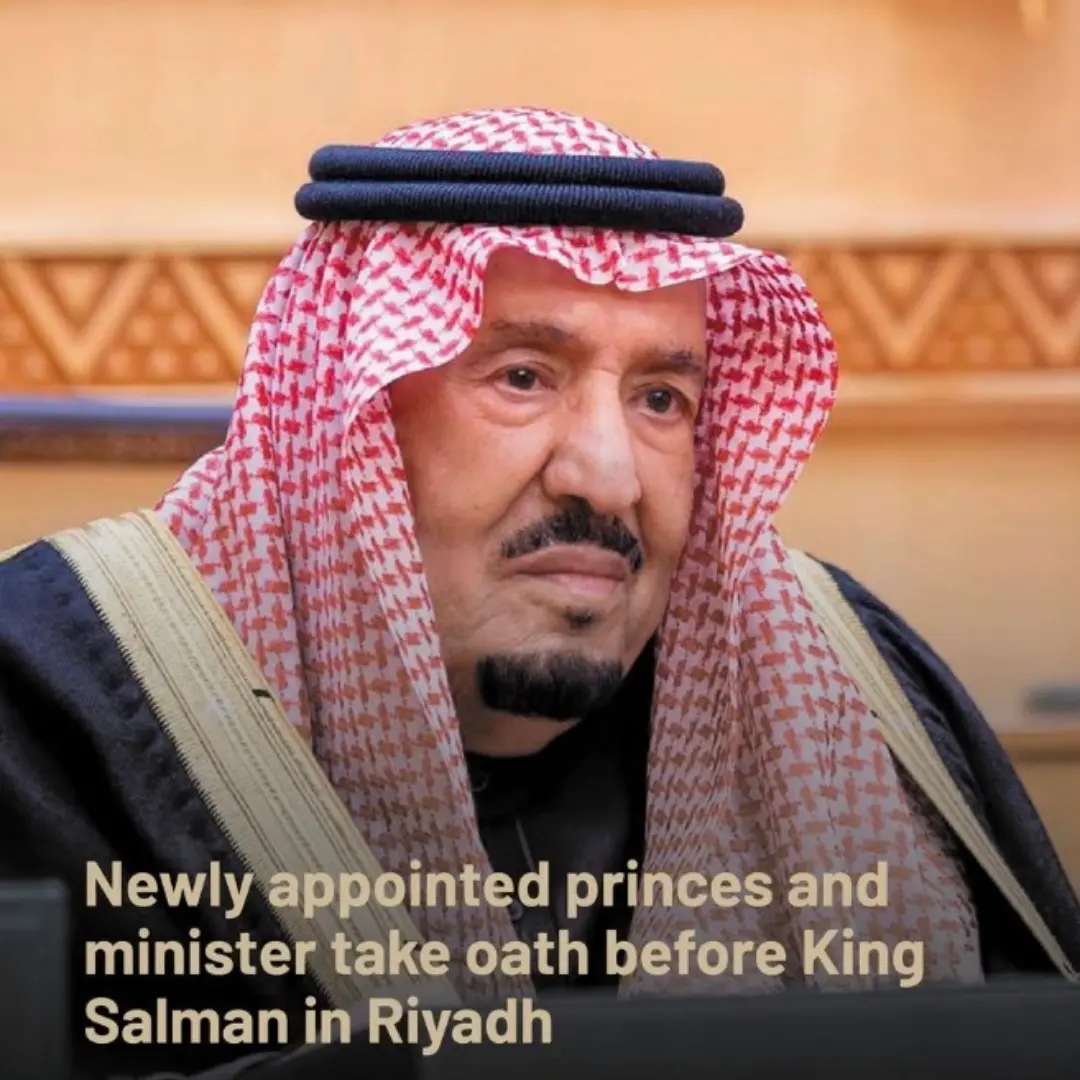
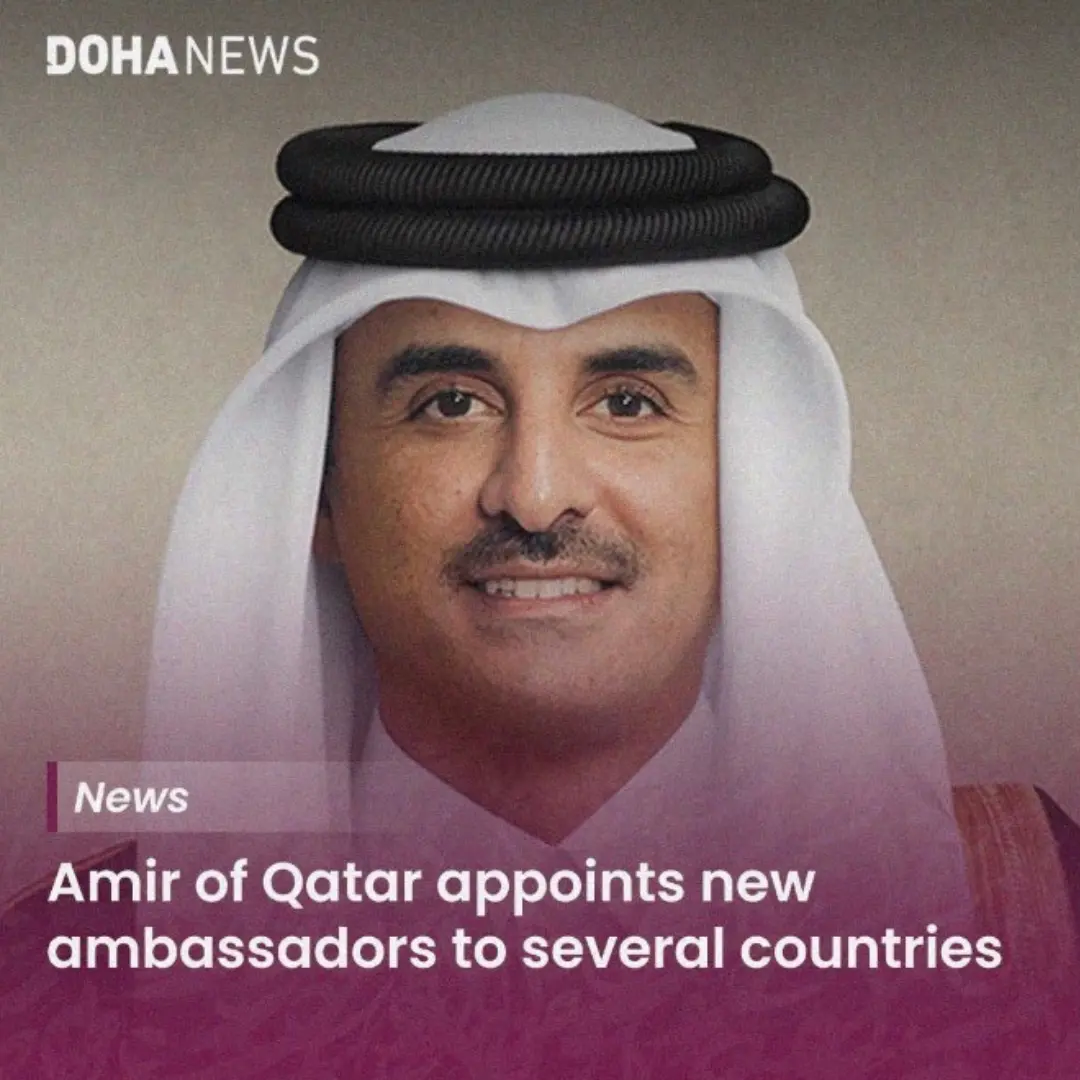
- 16 October: King Salman issued a royal order promoting and appointing 26 judges to Saudi Arabia’s Board of Grievances, reported by the Saudi Press Agency.
- 17 October: a federal decree named Abdulsalam Al Shehhi as Ras Al Khaimah’s representative on the UAE’s Federal National Council, reported by the Emirates News Agency (WAM).
- The same week: Pakistan’s Prime Minister received Saudi Arabia’s newly appointed ambassador in Islamabad.
That is one quiet week, in two countries, during a week of serious regional news that dominated every headline. The appointments that matter to your business rarely make the front page. They sit in agency bulletins and Arabic-language press, three clicks away from where a busy sales team ever looks.
Now multiply that across six countries and fifty-two weeks.
How quickly should you congratulate a Gulf client on a promotion?
Send your congratulations within 48 hours of the announcement – even a week later is still fine. The first few days are when the appointee is receiving messages and when yours is seen. After months, it reads as an afterthought and it can read as though you only noticed because you wanted something.
Two practical details trip up Western teams. The weekend is Friday and Saturday in Saudi Arabia, Qatar, Kuwait, Bahrain and Oman, and Saturday and Sunday in the UAE, so announcements can land on what is a working day for you and a rest day for them. And because decrees are often published in the evening Gulf time, the news can break while London is still at work. Someone needs to be watching.
If you find out late, send it anyway. Acknowledge it plainly (“I’ve only just seen the news of your appointment”) and keep it short. A late, sincere message is far better than none.
What should a congratulation message to a Gulf client say?
A good congratulation message names the new role precisely, says why it matters, wishes them success and asks for nothing. It should be short enough to read in ten seconds on a phone.
Here is the structure I give clients:
- Use the correct title. A minister, ambassador or senior official is addressed as “Your Excellency”. Members of ruling families carry titles of their own, so check before you write.
- Name the role exactly. “Your appointment as Chief Executive of the Authority” shows you have read the announcement. “Congratulations on the new job” shows you have not.
- Add one line that shows you understand the role. A sentence on what the appointment means for the organisation or the national programme it serves. This is where most Western messages fall flat, and where yours can stand out.
- Wish them success and stop. No meeting request, no brochure, no “while I have you”. The pitch can come weeks later, in its own message.
- Choose the right channel. WhatsApp is appropriate if you already message each other there. Otherwise use email. For a senior government appointment, a formal letter through their office is often the right complement.
As with everything in Saudi business etiquette, choosing the right channel and reacting to it is key.
Why do Western teams keep missing Gulf appointments?
Western teams miss Gulf appointments because no one owns the job of watching for them. Sales is selling. Marketing is running campaigns. The relationship manager is looking after guests or clients in front of them. The Gulf news that matters arrives in six countries, across a dozen official channels, often in Arabic first, and almost never in the British trade press.
The usual fixes do not hold. A Google Alert on a client’s name catches some stories and misses most, because Gulf names are transliterated in several ways. LinkedIn is slow and incomplete; many senior Gulf officials do not update it at all. And the person who used to “just know” leaves, taking the knowledge with them.
In my years in London luxury hospitality, the teams that kept their Gulf business through change in leadership were never the ones with the best brochures. They were the ones who noticed. They knew within days when a client moved, and they were in touch first, which is what building trust with Saudi business partners looks like in practice: long before a deal is on the table.
What can you do this week?
You do not need a new system to start. Three steps will close most of the gap:
- List your top twenty Gulf contacts with their current title, organisation and country. If you are unsure of anyone’s current role, that is your first finding.
- Check each name against the official news agency for their country (SPA, WAM, QNA and the rest) for the past six months. You may well find an appointment you missed.
- Send the late congratulations you owe, using the structure above. Short, specific and with no ask.
Doing this once is valuable. Doing it every week, across six countries, while also running your actual job, is where most teams give up. Time is precious and wouldn’t it be great if you had someone to do the job for you? And no you do not need to hire an assistant. There is a tool that can help with this and more. Introducing THE MAJLIS BRIEF
How The Majlis Brief keeps your Gulf client relationships current
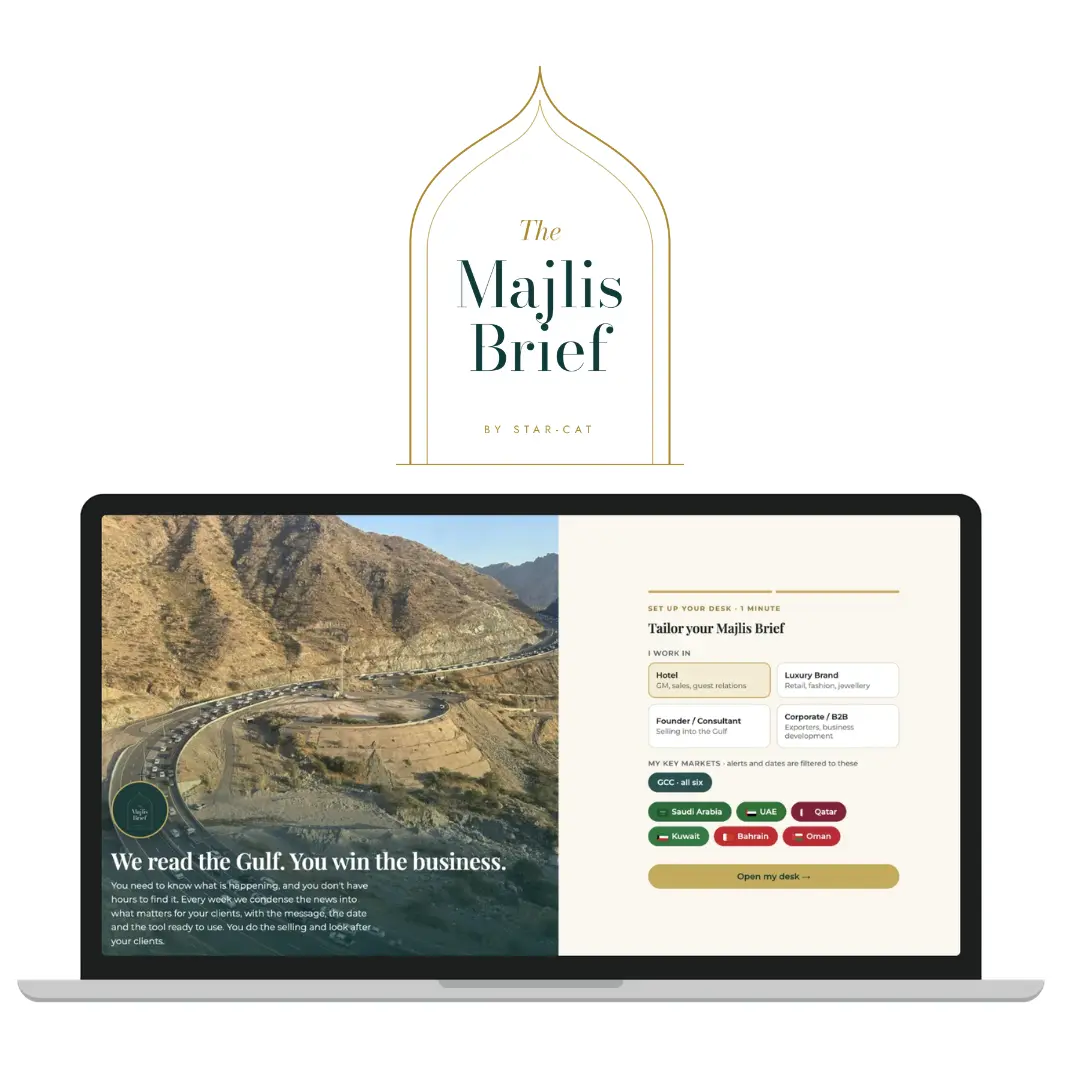
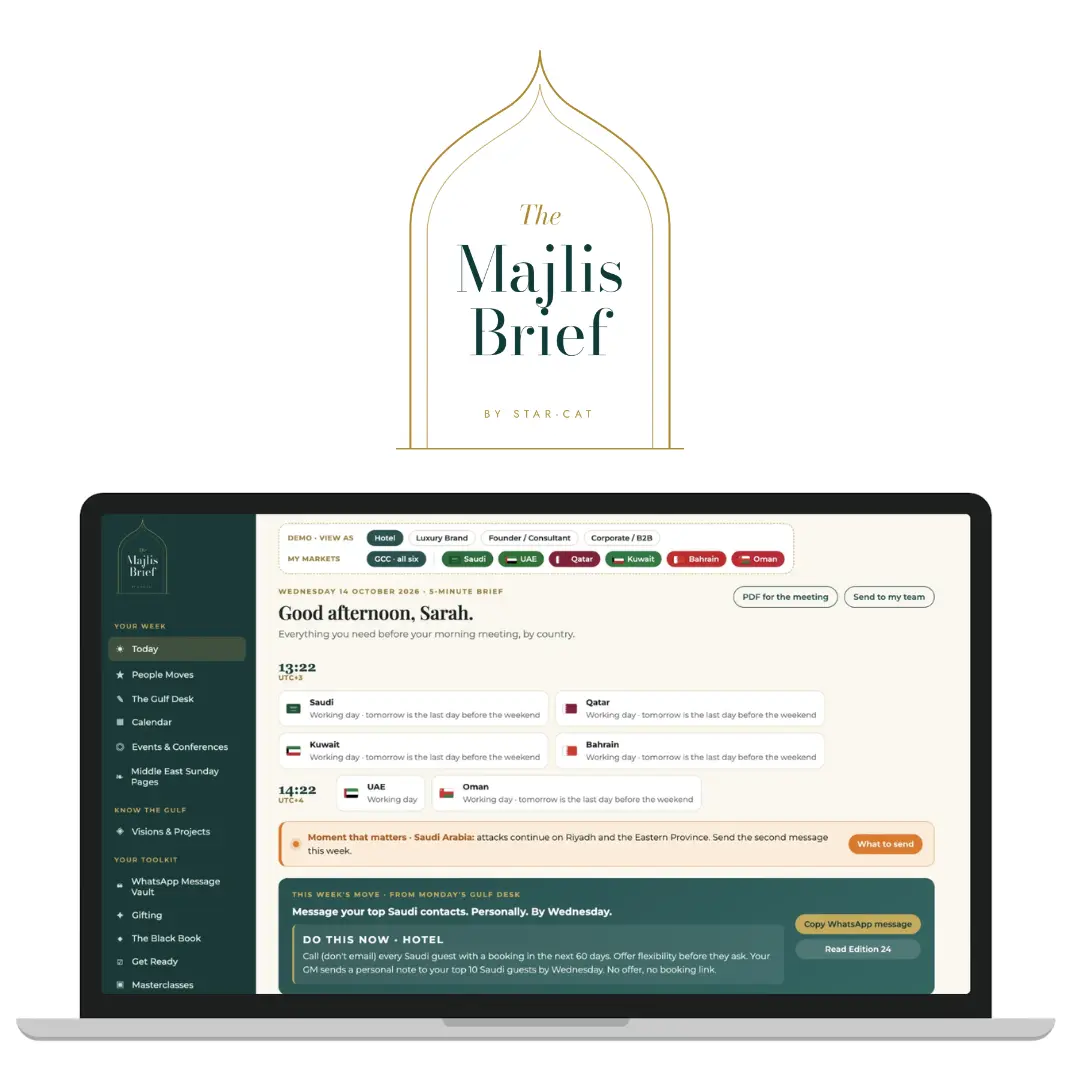
As a Saudi and Gulf business expert, I built The Majlis Brief for exactly this problem. It is a tool for Western teams who already work with the Gulf and do not have time to watch it.
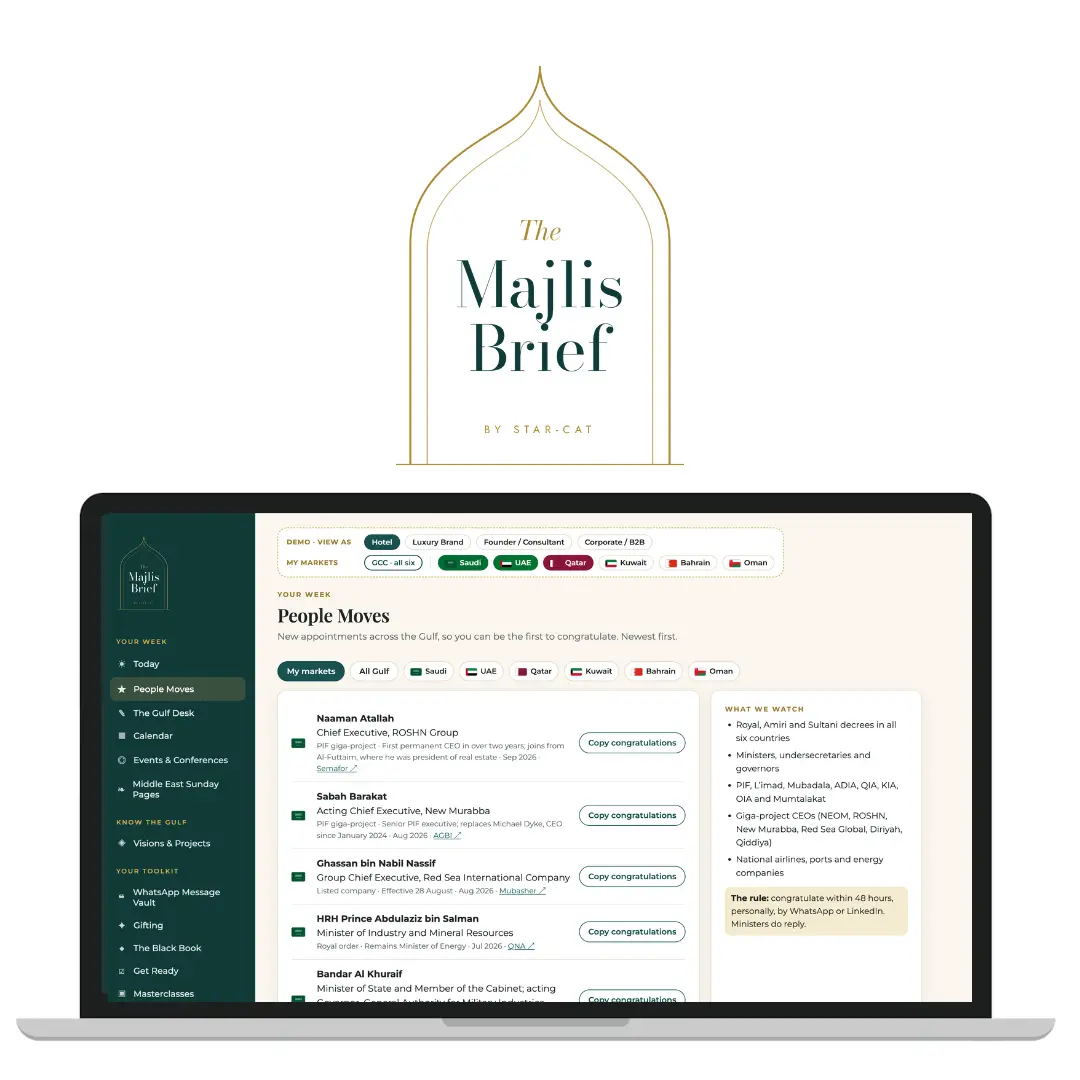
Its People Moves section tracks royal orders, federal and Amiri decrees, cabinet changes and senior executive appointments, country by country. Each one comes with a congratulation message ready to copy, written in the right register and title, so your team can send it the same day. The same applies to condolences, national days and the moments that cannot wait.
Fifteen minutes a week is enough to keep your Gulf client relationships current, rather than finding out in March.
Appointments by country, with the message ready to send. Join The Majlis Brief waitlist for one of the 50 founding places when doors open next month.
Frequently asked questions
How are senior appointments announced in Saudi Arabia? Senior appointments in Saudi Arabia are usually made by royal order or Council of Ministers decision and published by the Saudi Press Agency (SPA). They often take effect immediately and are frequently announced in the evening, so Western teams need to check SPA directly rather than wait for international press coverage.
How soon should I congratulate a Gulf client on a promotion? Congratulate a Gulf client within 48 hours of the announcement, ideally on the same day. That is when the appointee is receiving messages and when yours will be noticed. If you only hear later, still send a short, sincere message that acknowledges you have just seen the news.
What should I write when congratulating a Saudi or Emirati client? Use their correct title, name the new role precisely, add one line showing you understand what the role means, and wish them success. Keep it brief and make no request. Avoid borrowed Arabic phrases and any mention of your own company. The pitch can follow weeks later.
Why do Gulf client relationships suffer when appointments are missed? Gulf client relationships suffer because appointments are public moments that colleagues and partners acknowledge quickly, so silence is noticed. A new role also changes who controls budgets and decisions. A team that hears months later is working from an outdated map of the account and may have lost its contact entirely.
How can a Western sales team track appointments across the GCC? Track the official news agency in each country: SPA for Saudi Arabia, WAM for the UAE, QNA for Qatar, KUNA for Kuwait, BNA for Bahrain and the Oman News Agency. Because this is time-consuming across six countries, many teams use a weekly intelligence service such as The Majlis Brief to do it for them.

Corina Goetz is a Saudi Arabia and GCC business strategist and the founder of Star-CaT and The Gulf Desk. She helps Western executives build trusted relationships with Gulf decision-makers in Saudi Arabia, the UAE and Qatar. Over 20 years she has worked with Gulf royal households, ministers and family offices, and has helped thousands of clients overcome their misconceptions about the region and take advantage of its opportunities.

Related Posts

This Post Has 0 Comments