
They Said the Gulf Would Stay Home. Look Who Showed Up at WTM London 2026
Did Gulf countries show up at WTM London 2026? Yes. Saudi Arabia brought 37 tourism partners, Qatar 40, Oman 29 and Bahrain 10 to ExCeL London on 3–5 November 2026, weeks after flight disruption in Saudi Arabia meant many delegates reached London via Doha, Abu Dhabi or Bahrain.
Plenty of people in London have quietly written the Gulf off this year. Airspace warnings. Cancelled flights. A region, the thinking goes, too caught up in its own tensions to sell holidays. Then you walked into ExCeL this week and looked at who showed up.
Some of them took three flights to get there. Riyadh to Doha. Doha to Abu Dhabi. Abu Dhabi to London. Others drove across the causeway to Bahrain and flew from there.
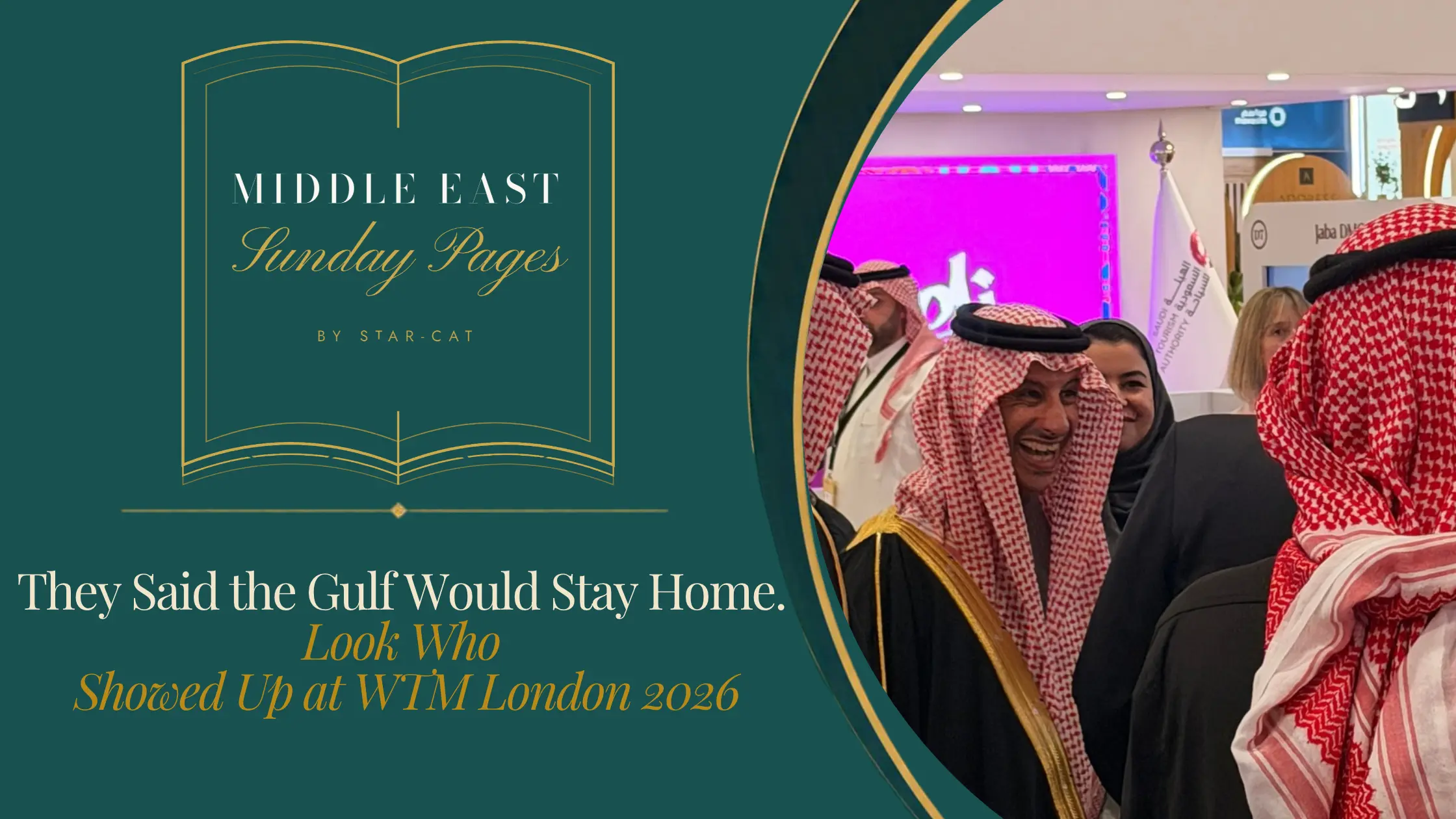
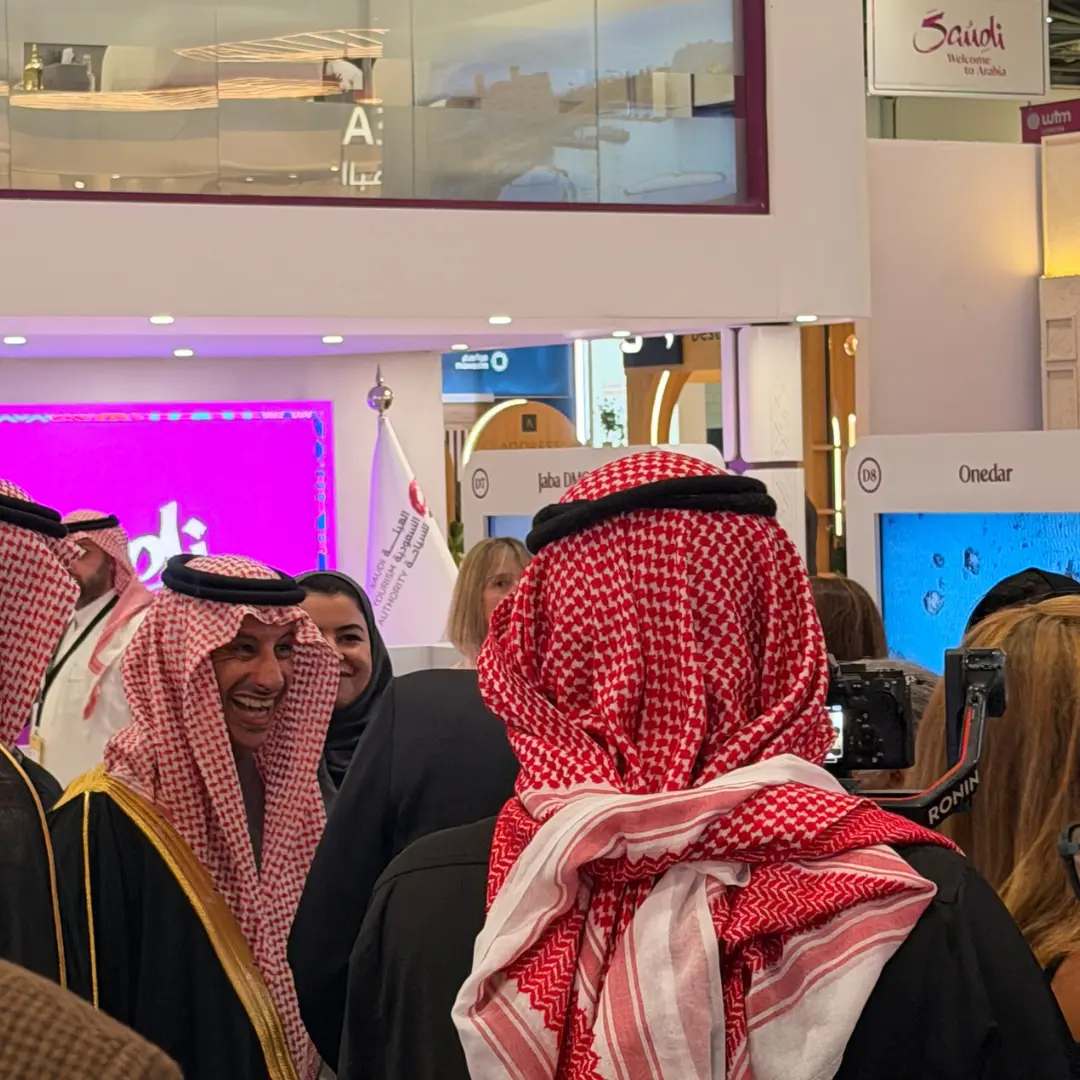
Three flights to reach a trade show. And on 3 November, at ExCeL London, the Saudi delegation was there, with Ahmed Al-Khateeb, Saudi Minister of Tourism, opening Saudi Land in person. Qatar, Oman, Bahrain and the UAE were there too, stands full, people on them, doors open.
I walked the halls over two days. This is what I saw, what was confirmed, and what it should tell anyone doing business in Saudi Arabia, Qatar or the UAE.
What was actually confirmed at WTM London 2026?
World Travel Market London ran from 3 to 5 November 2026 at ExCeL London. Every Gulf state I visited came with a full national pavilion and named partners. Here are the verified facts, by country.
Saudi Arabia
- Saudi Land opened on 3 November 2026, inaugurated by Ahmed Al-Khateeb, Minister of Tourism and Chairman of the Saudi Tourism Authority, with Ageel Alshaibani, CEO of the Saudi Tourism Authority.
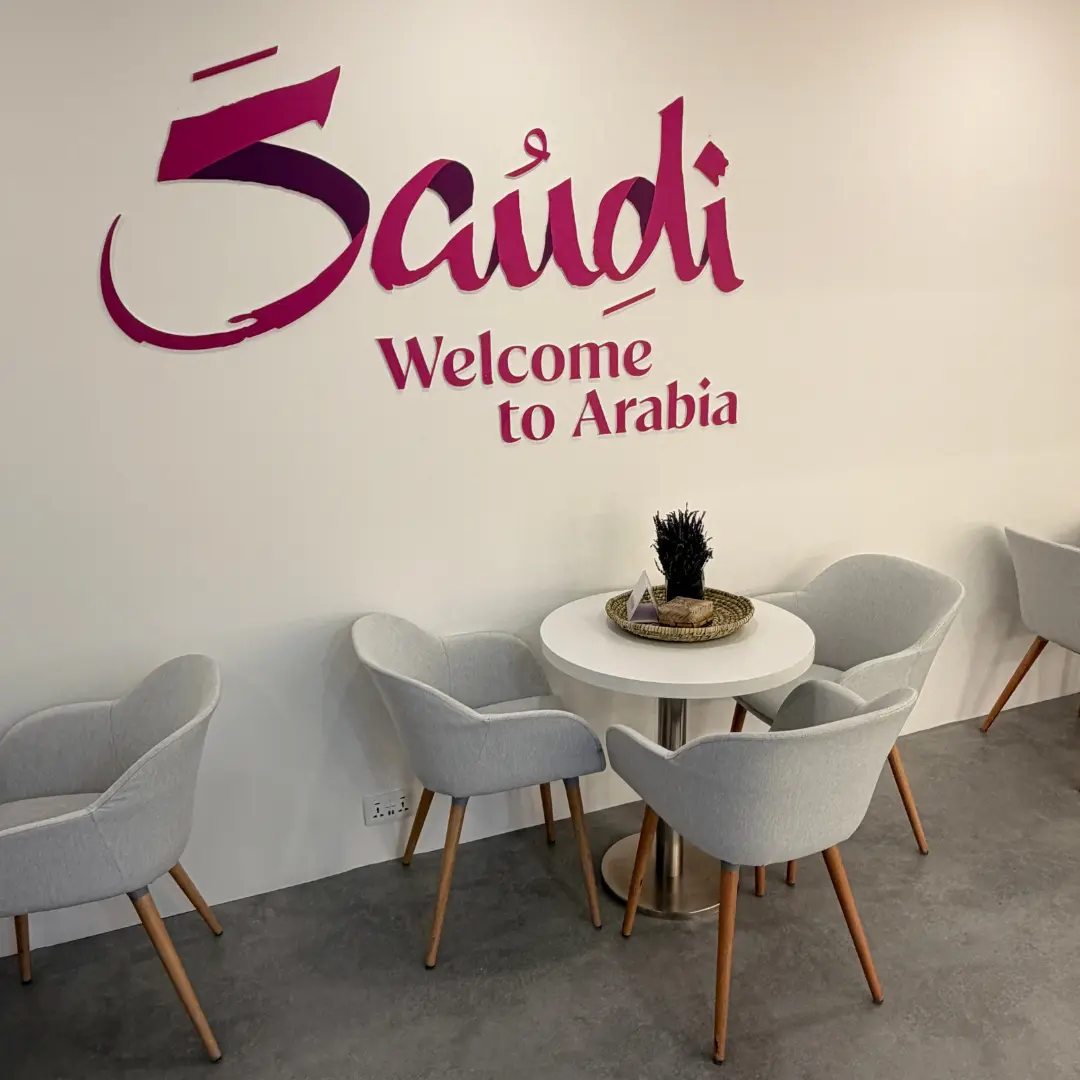
- 37 Saudi tourism partners exhibited at stand S9-200, promoting Riyadh, Jeddah, AlUla, the Red Sea and AMAALA for the winter season.
- Red Sea Global’s AMAALA has opened seven resorts since June 2026, including Four Seasons, Six Senses, Rosewood and Nammos.
- Saudi Arabia received about 61.2 million tourists in the first half of 2026, roughly 1% up on the year, with spending of about SAR 151.9 billion. The 2030 target of 150 million visitors remains in place.
Qatar
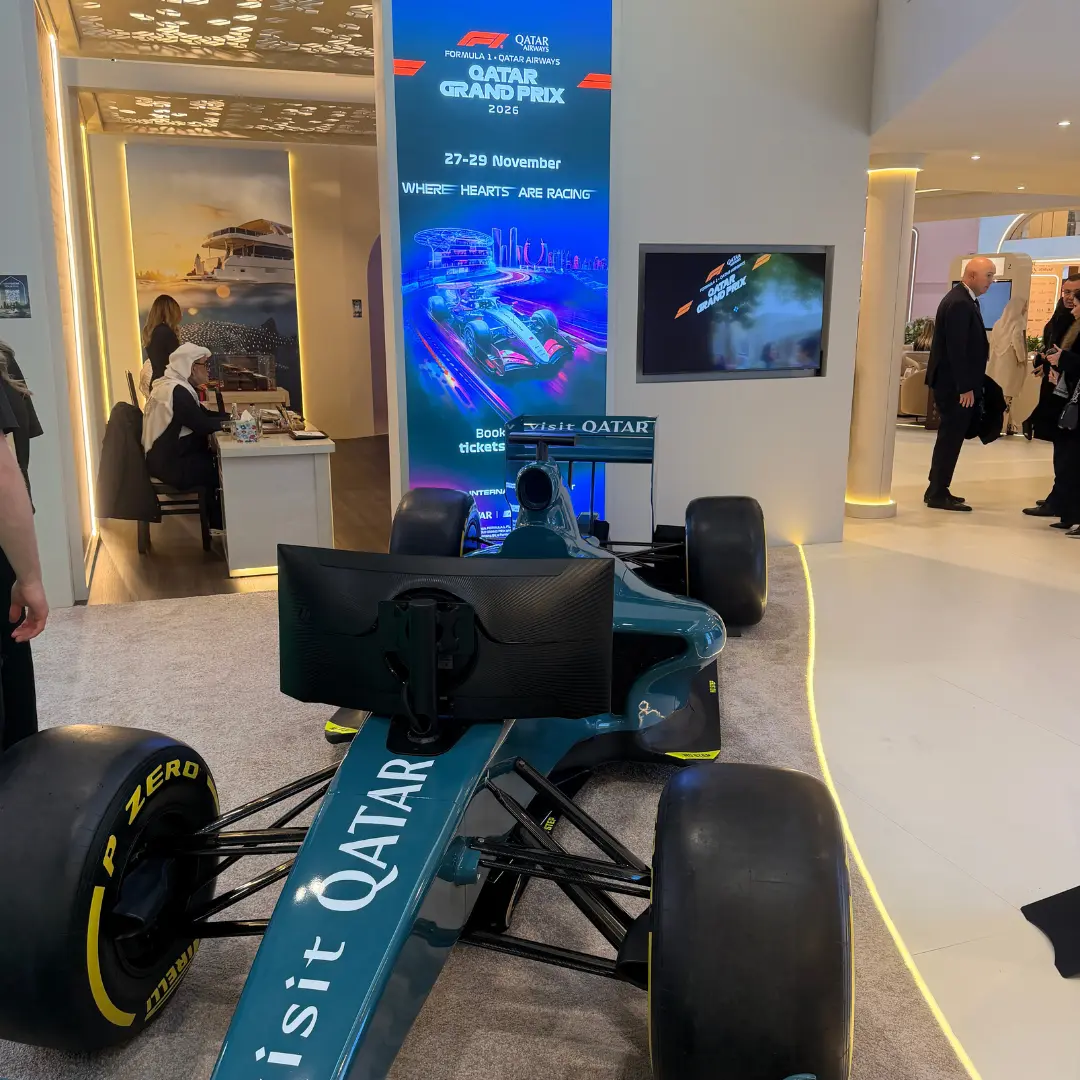
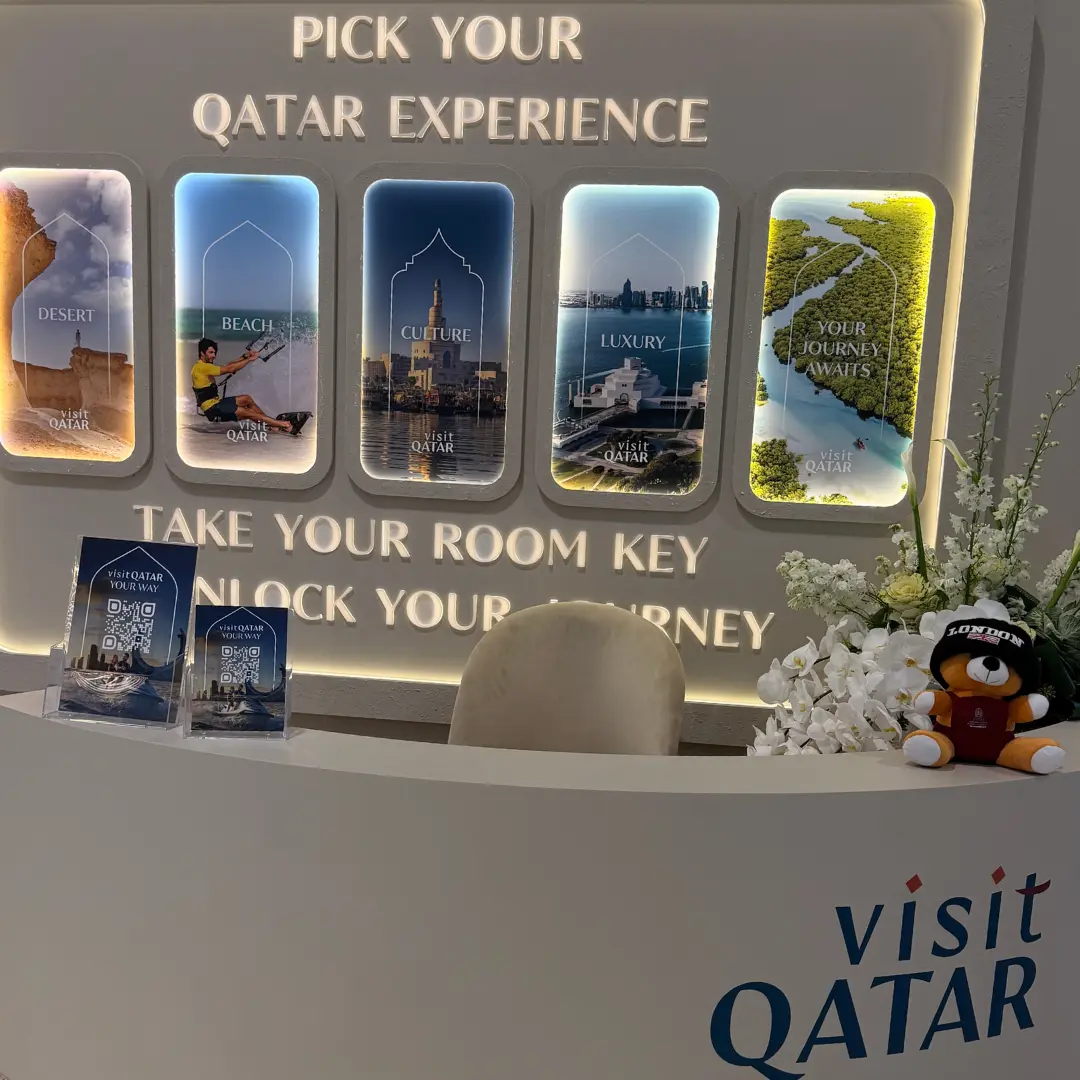
- Visit Qatar brought a delegation of 40 partners to stand S8-210.
- 2026 marks Qatar’s 12th consecutive year at WTM London, every year since 2014.
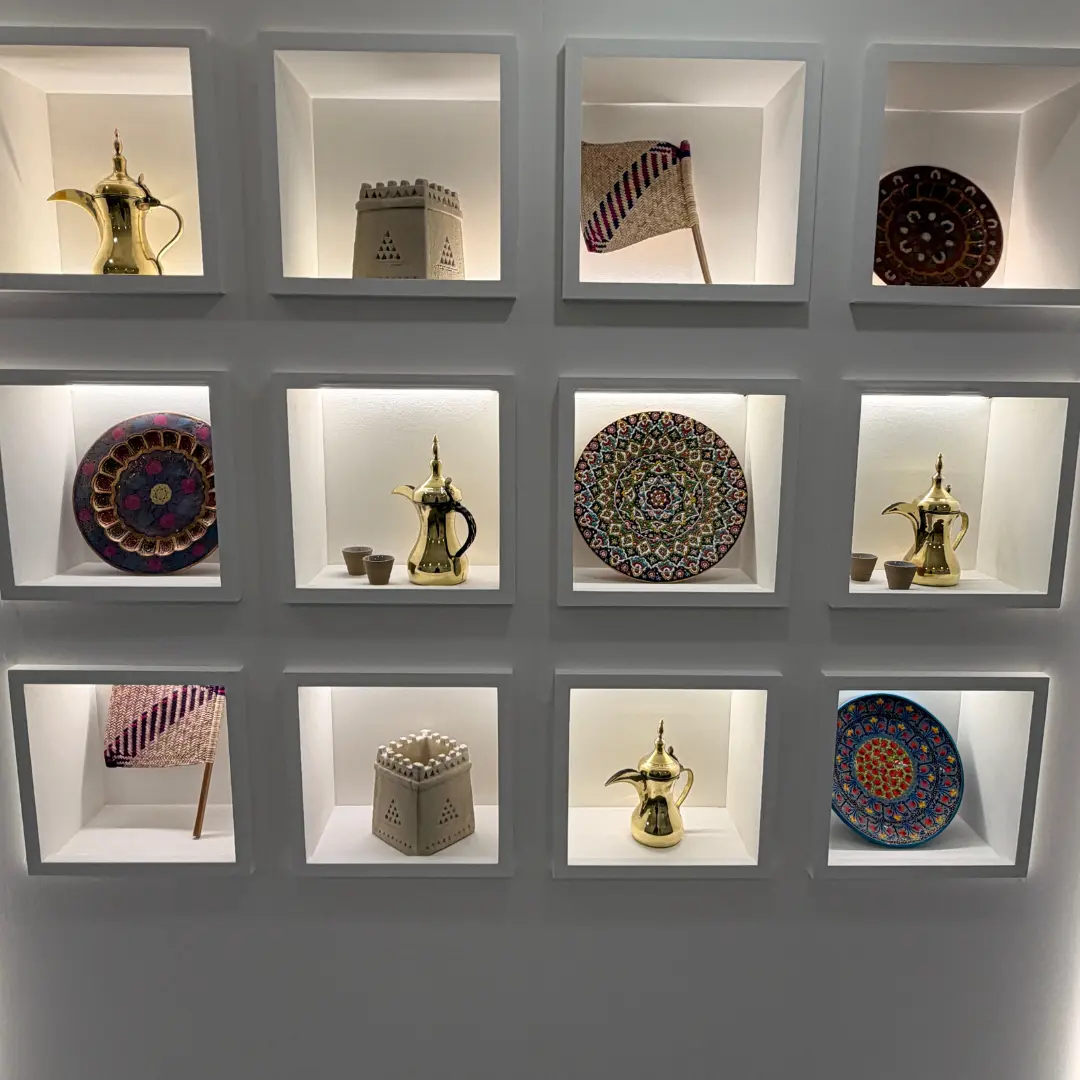
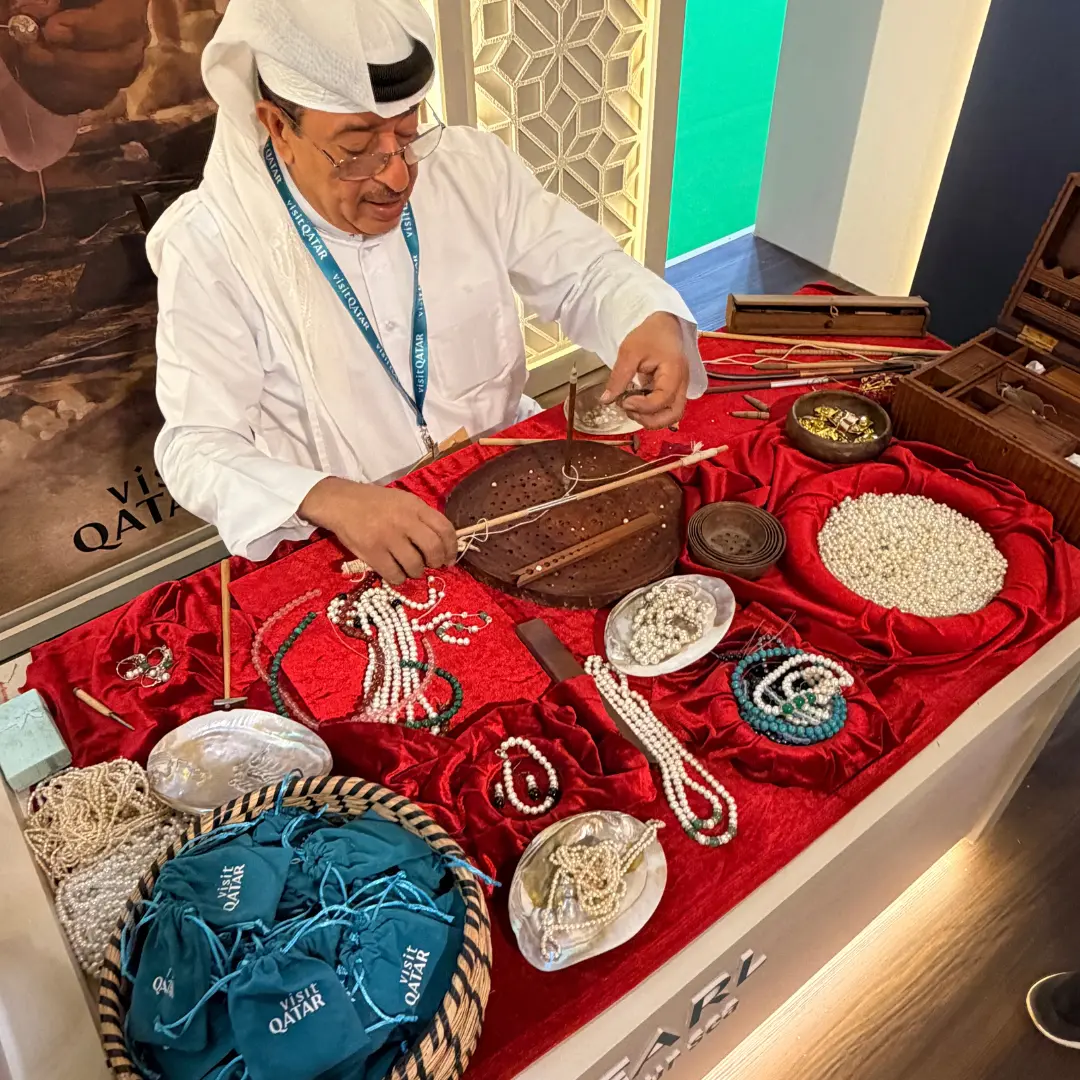
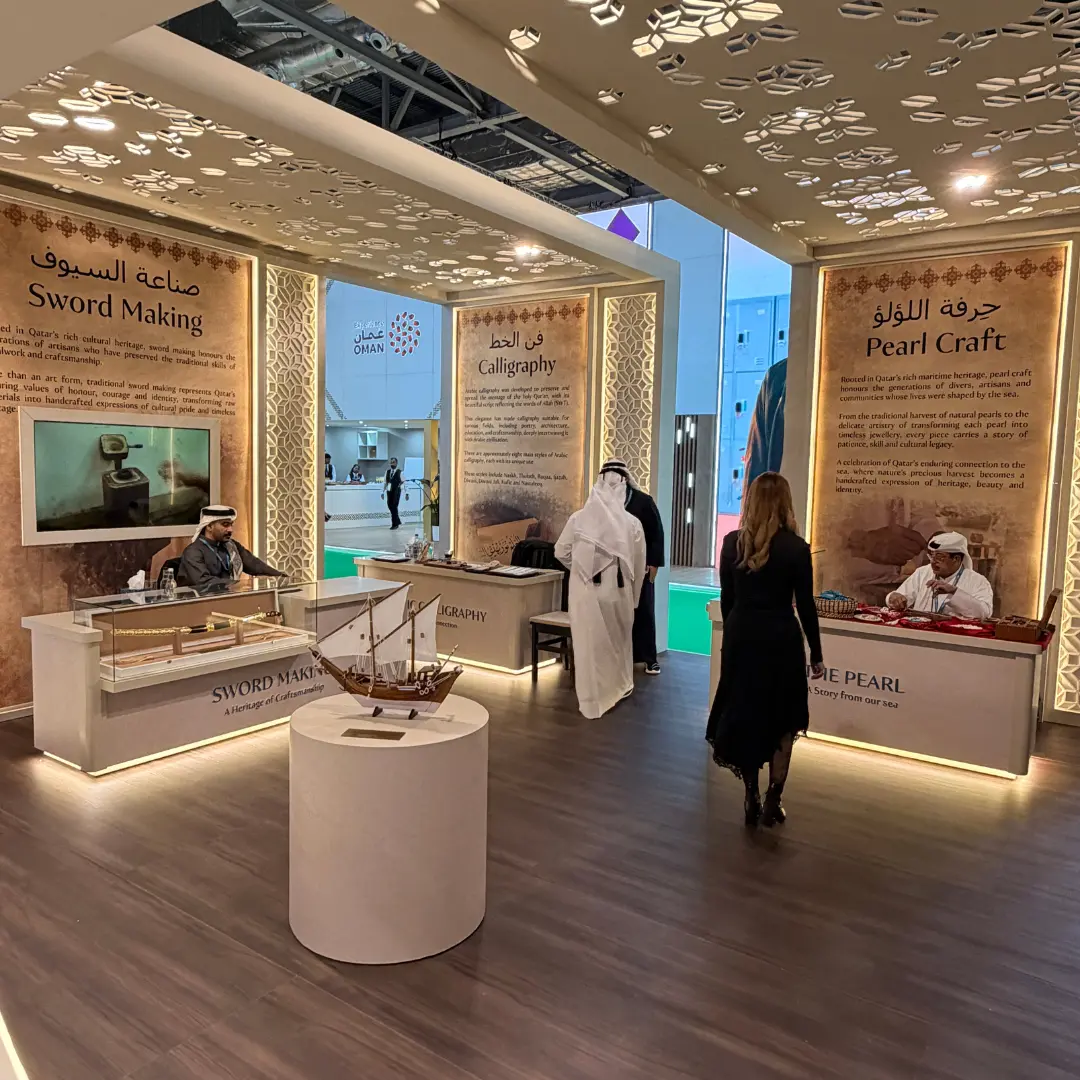
- The pavilion featured pearl-diving heritage, sword craftsmanship and Arabic calligraphy, alongside Qatar’s events calendar, including MotoGP, Art Basel Qatar and the FIBA Basketball World Cup 2027.
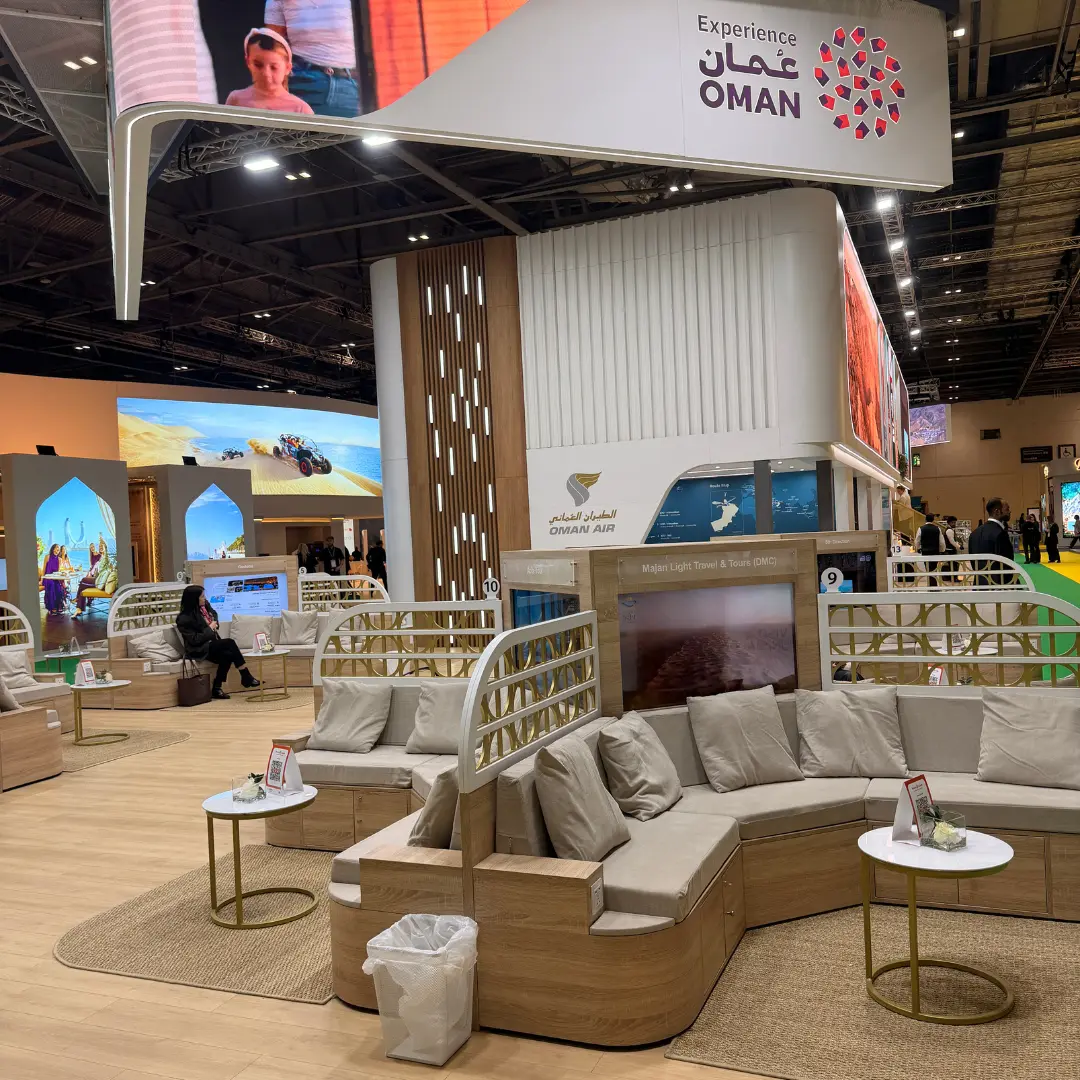
Oman
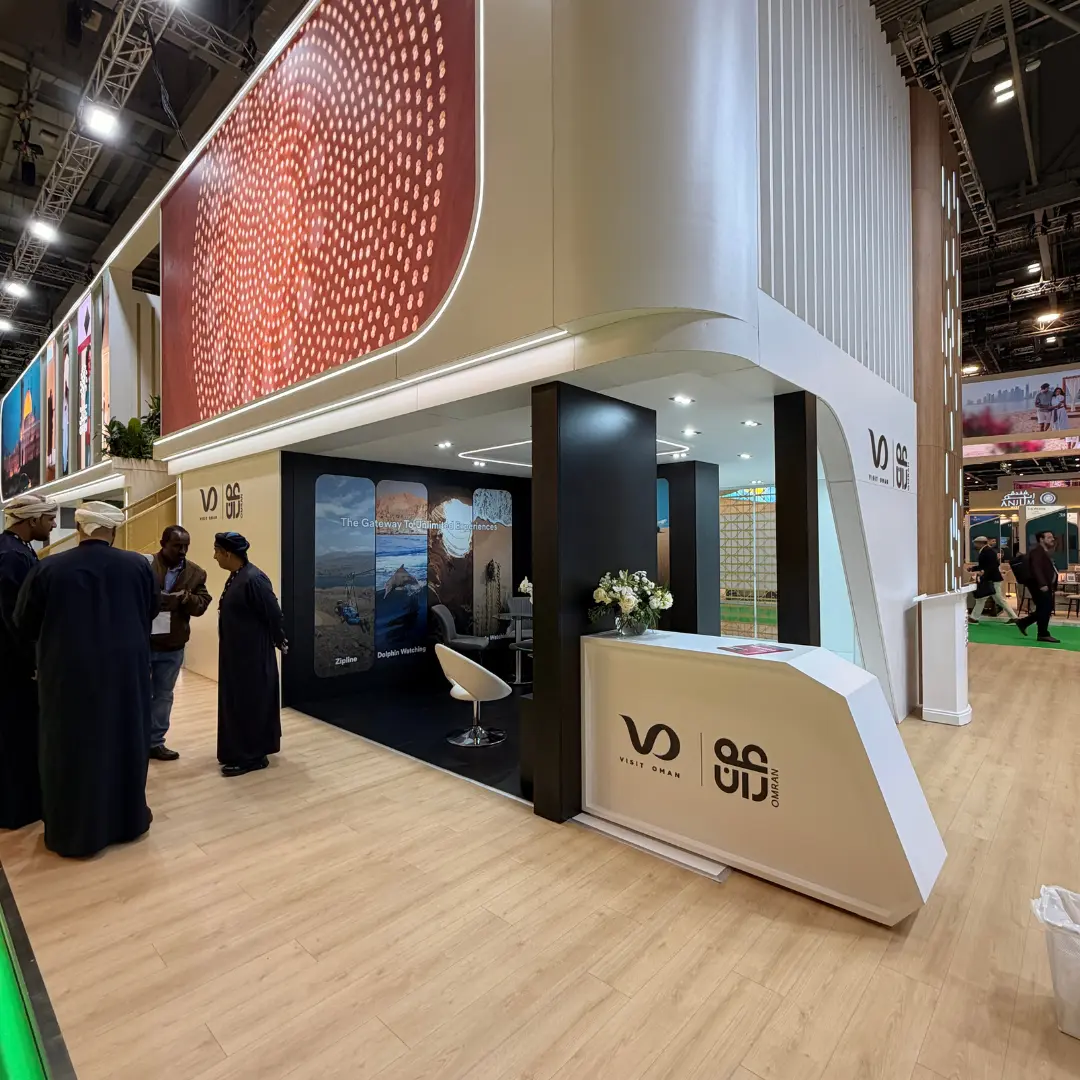
- The Ministry of Heritage and Tourism led a pavilion of 29 Omani institutions, with a strong presence of small and medium-sized businesses.
- Sayyid Ibrahim bin Said Al Busaidi, Minister of Heritage and Tourism, met the Saudi Minister of Tourism and the Chairman of Qatar Tourism during the show.
- Oman Airports attended to develop new routes and increase flights to Oman.
Bahrain
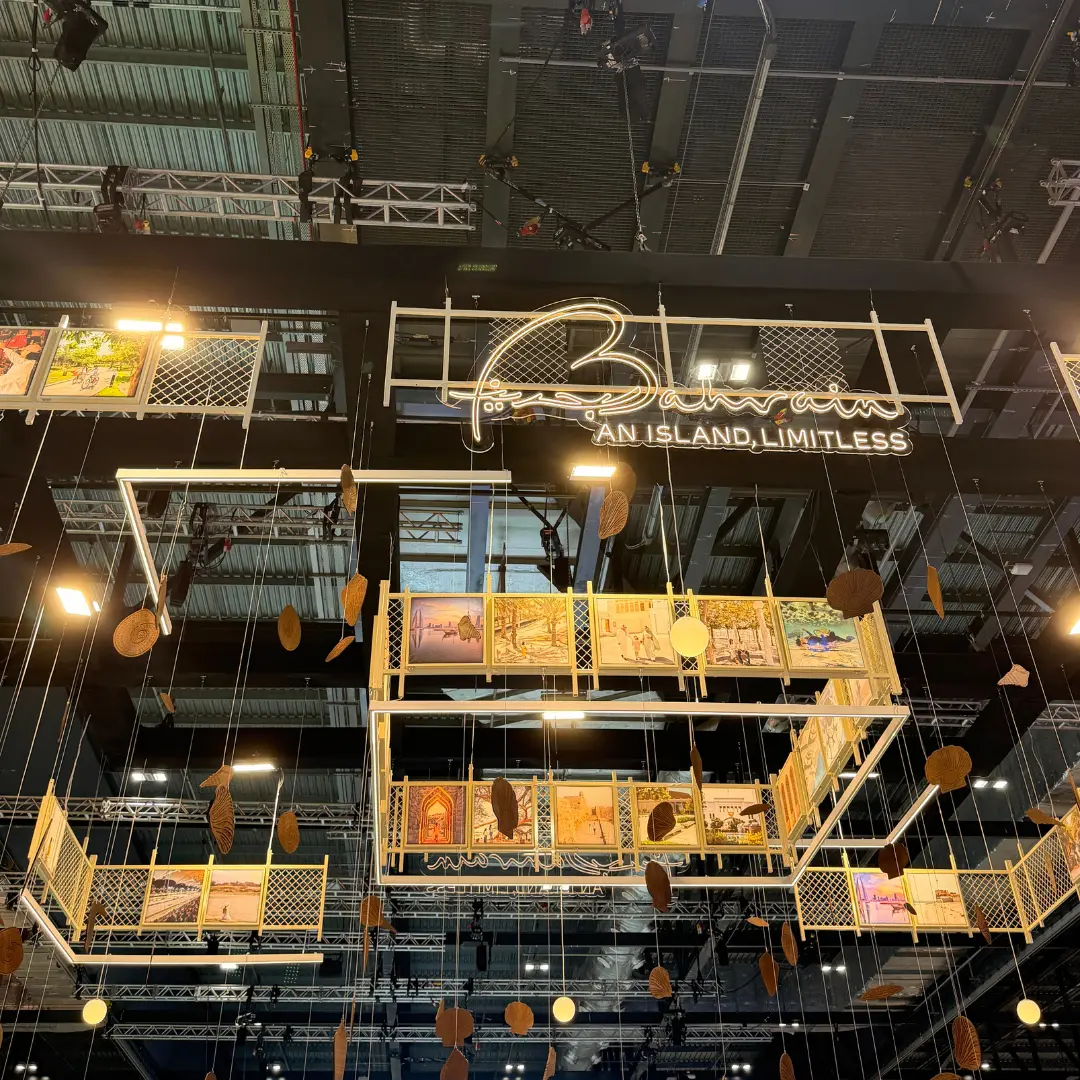
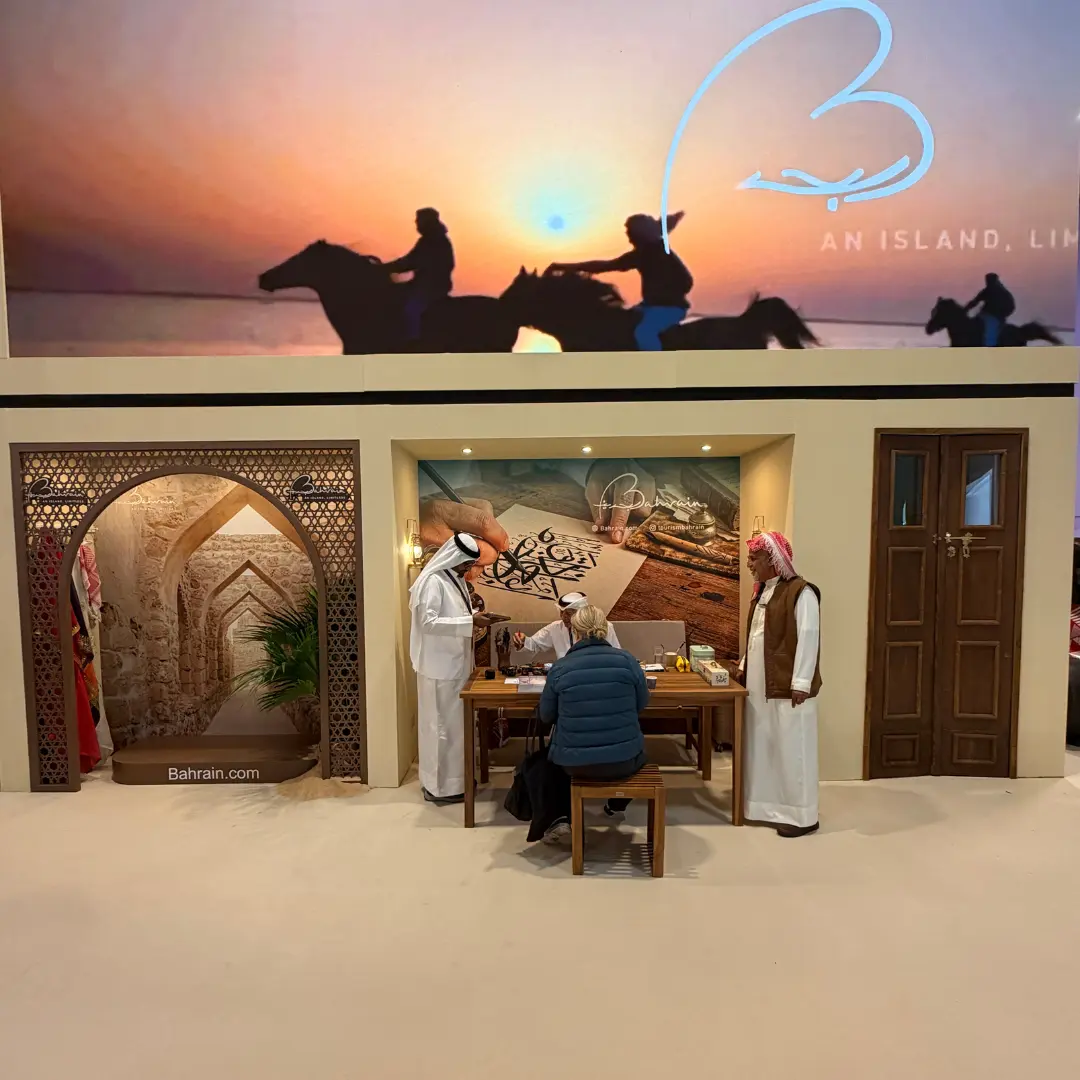
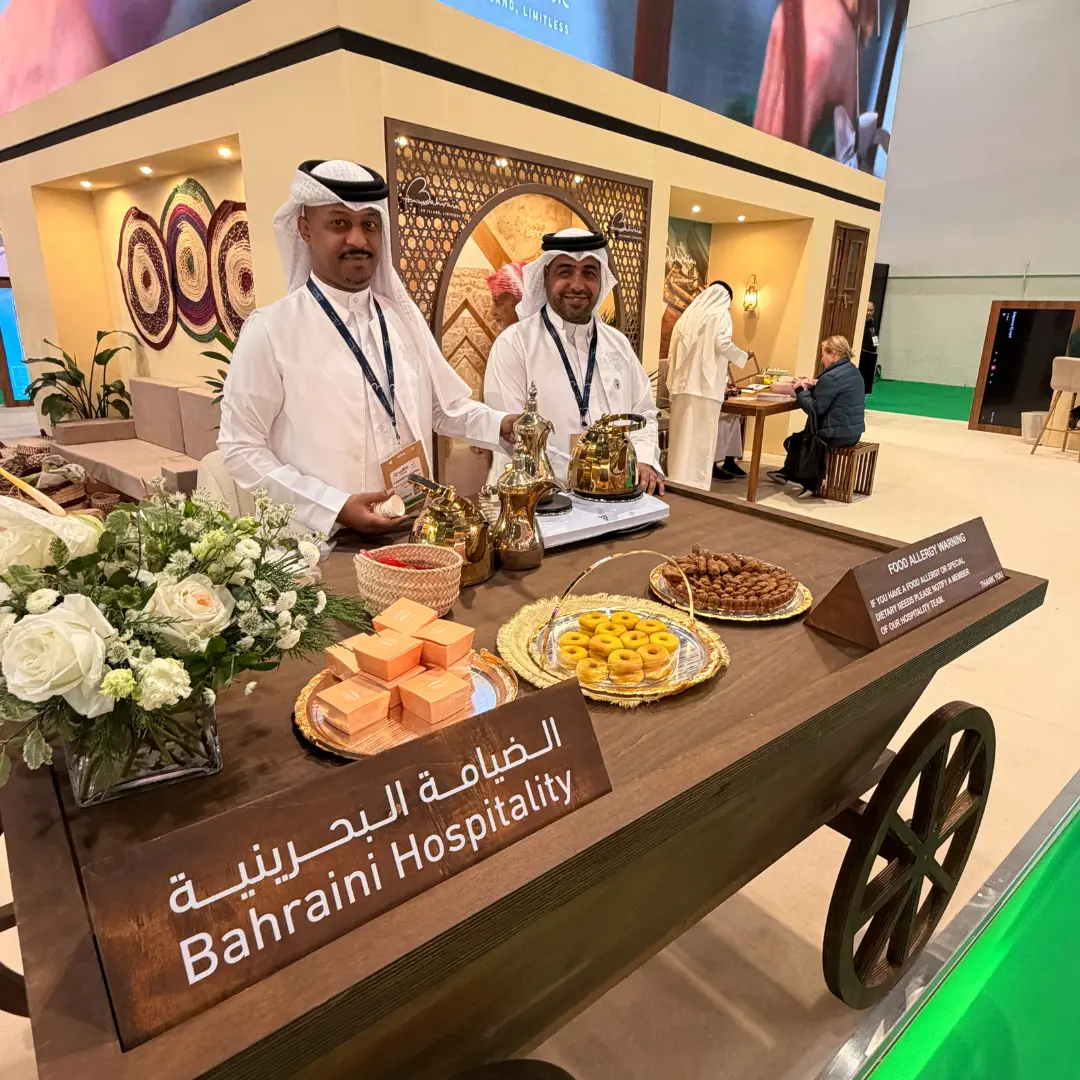
- The Bahrain Tourism and Exhibitions Authority led a national pavilion of 10 exhibitors, including Gulf Air.
- The focus was heritage, tourism investment and Bahrain’s capacity to host international events and exhibitions.
United Arab Emirates
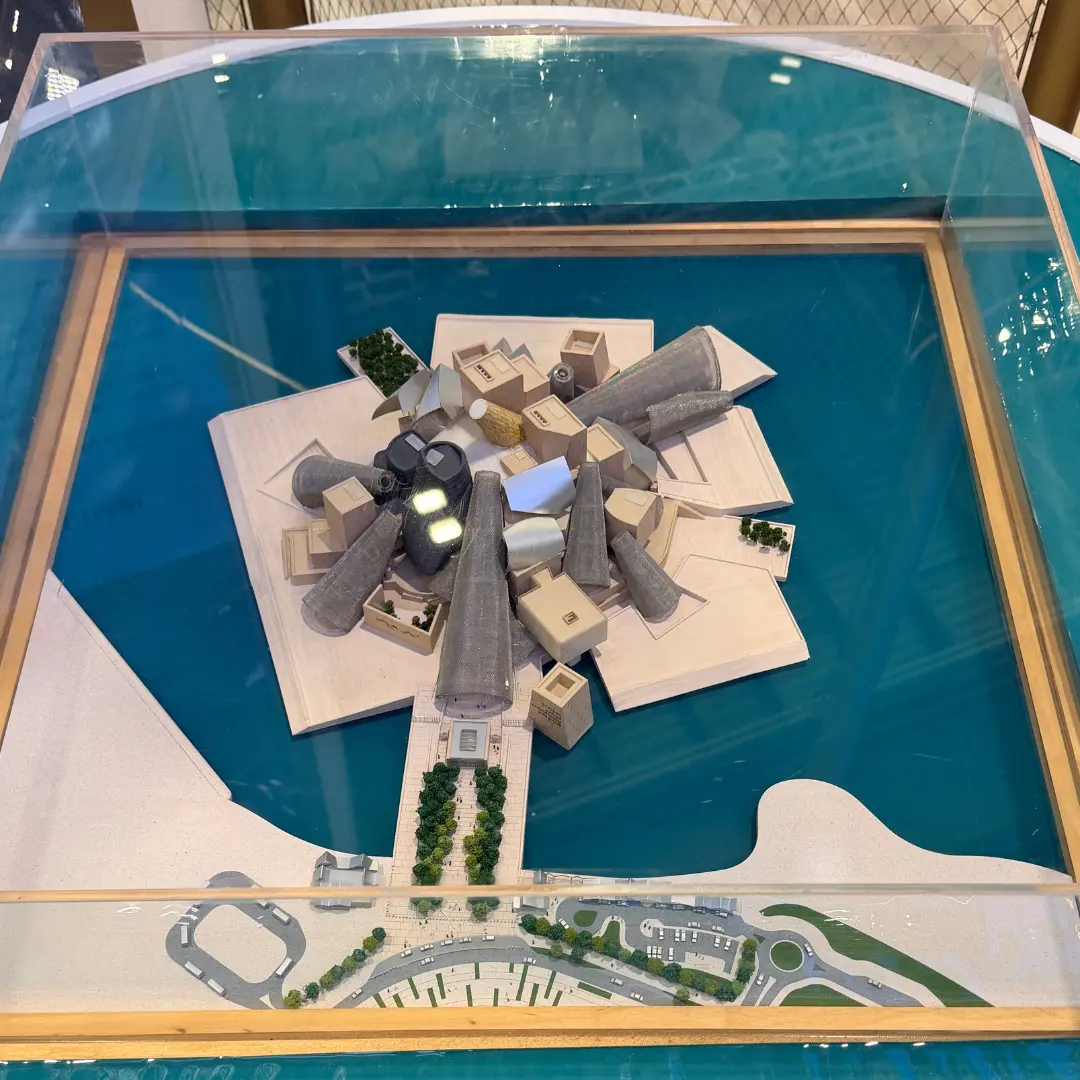
- Abu Dhabi’s stand showed a model of Guggenheim Abu Dhabi, the Frank Gehry museum on Saadiyat Island that the Abu Dhabi Department of Culture and Tourism has confirmed will open on 11 December 2026.
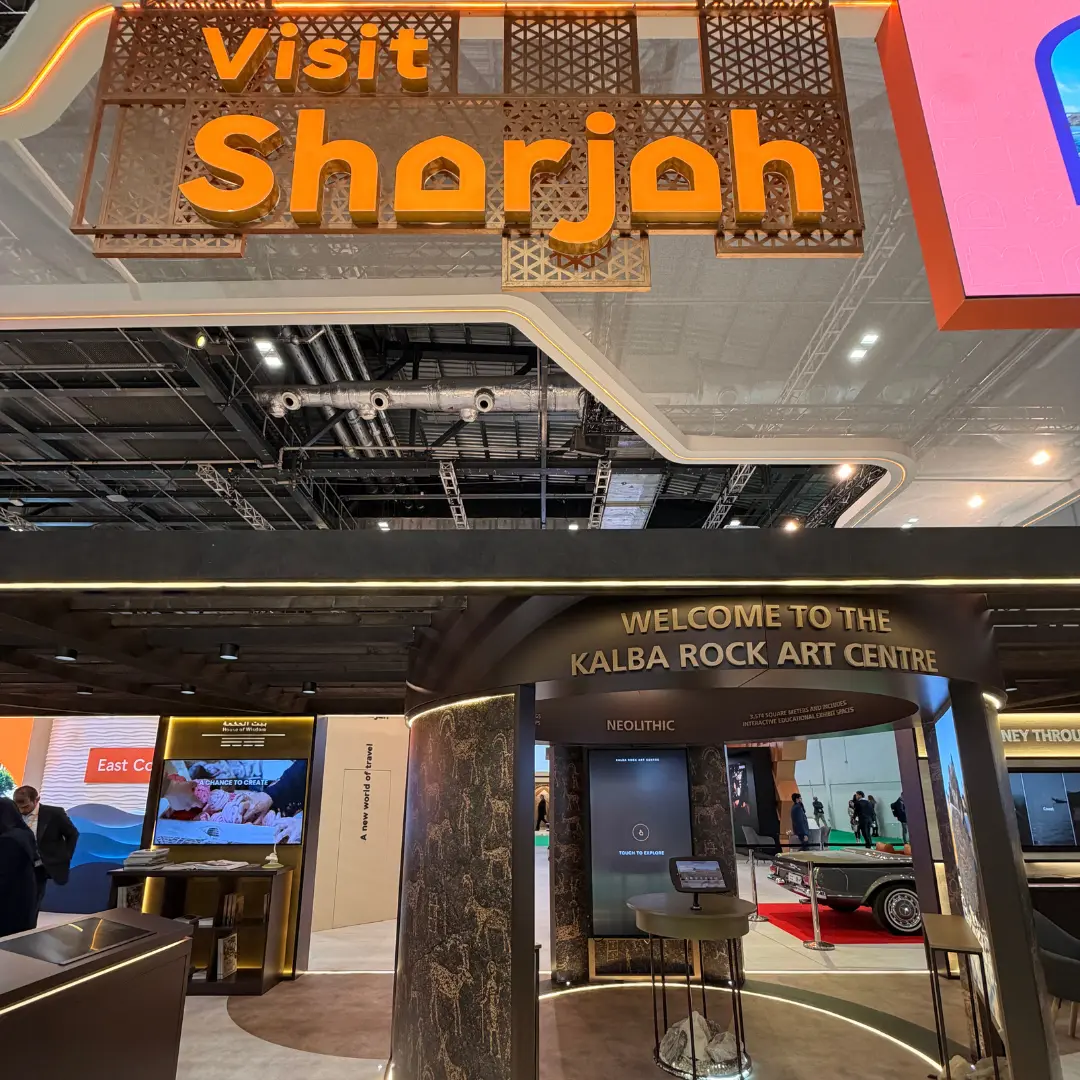
- Sharjah ran a separate stand focused on archaeology and history.
Why did getting to WTM London 2026 take three flights?
Saudi delegates took indirect routes because air travel out of Saudi Arabia was heavily disrupted in October. On 10 October, a projectile struck a passenger terminal at King Khalid International Airport in Riyadh, killing at least 12 people, according to Gulf News. The airport reopened in mid-October with restrictions, and several international airlines extended cancellations on Riyadh and Dammam routes into November.
So people found another way. Through Doha. Through Abu Dhabi. By road to Bahrain. Nobody I spoke to made a speech about it. They simply arrived, ran their panels, met their partners and walked the floor.
Ahmed Al-Khateeb put it in one line at the opening: “Resilience is built before you need it.” I would add one observation from the floor. Resilience is also visible. You could see it in who was standing on each stand at 10 o’clock on a quiet Wednesday morning.
There is a detail here a Western reader should not miss. The routes ran through Qatar, the UAE and Bahrain. Gulf neighbours carried each other’s delegations to London. Distinct countries, distinct systems, and when it counted, the connections between them held. I wrote about Saudi Arabia’s resilience earlier this autumn, and WTM showed it in practice.
Why heritage, not hotels, led the Gulf pavilions
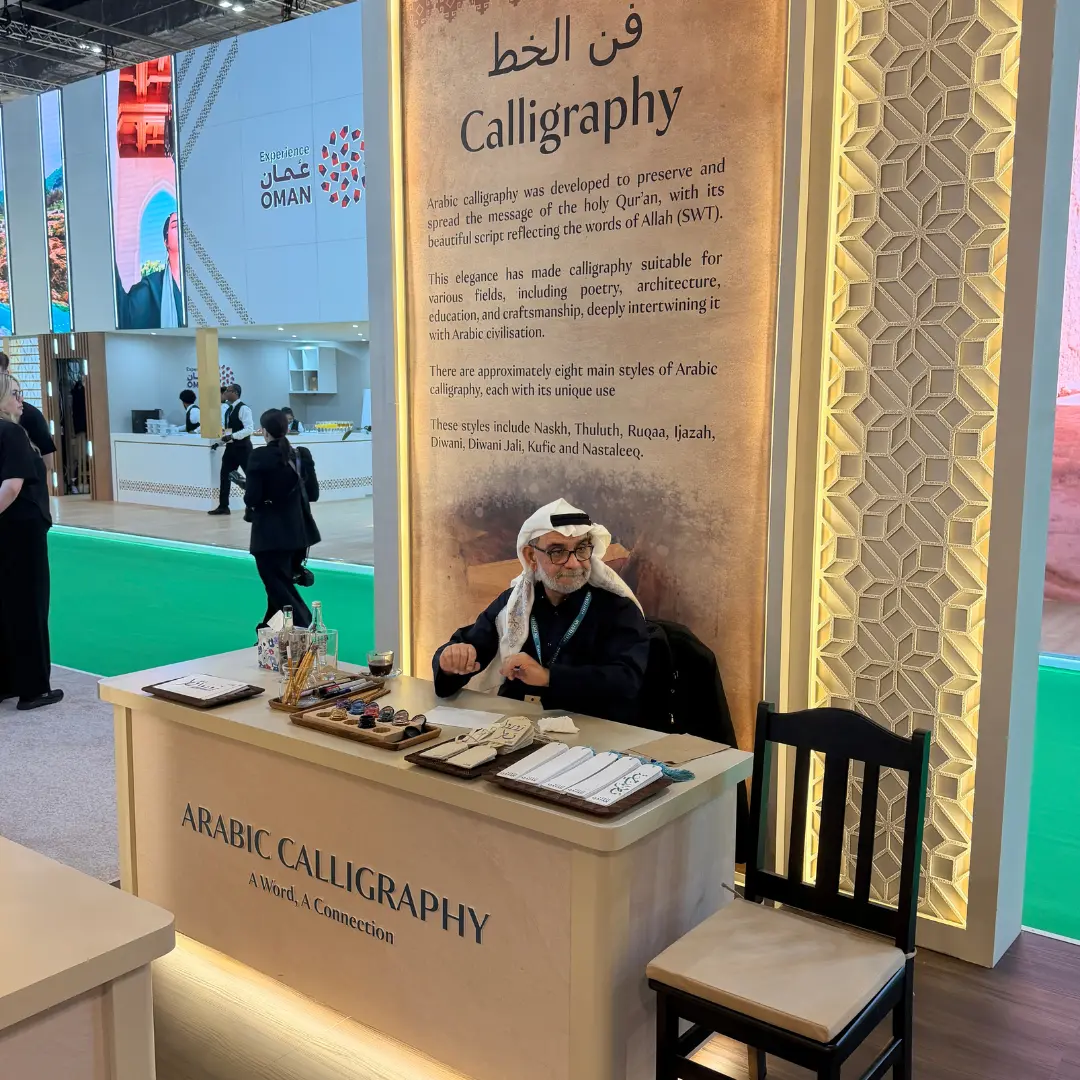
The strongest Gulf stands at WTM London 2026 led with heritage, local craft and craftsmanship, and you could learn something at every one of them. Arabic calligraphy appeared on almost every Gulf pavilion. The difference was in the depth, and in how local each stand chose to be.
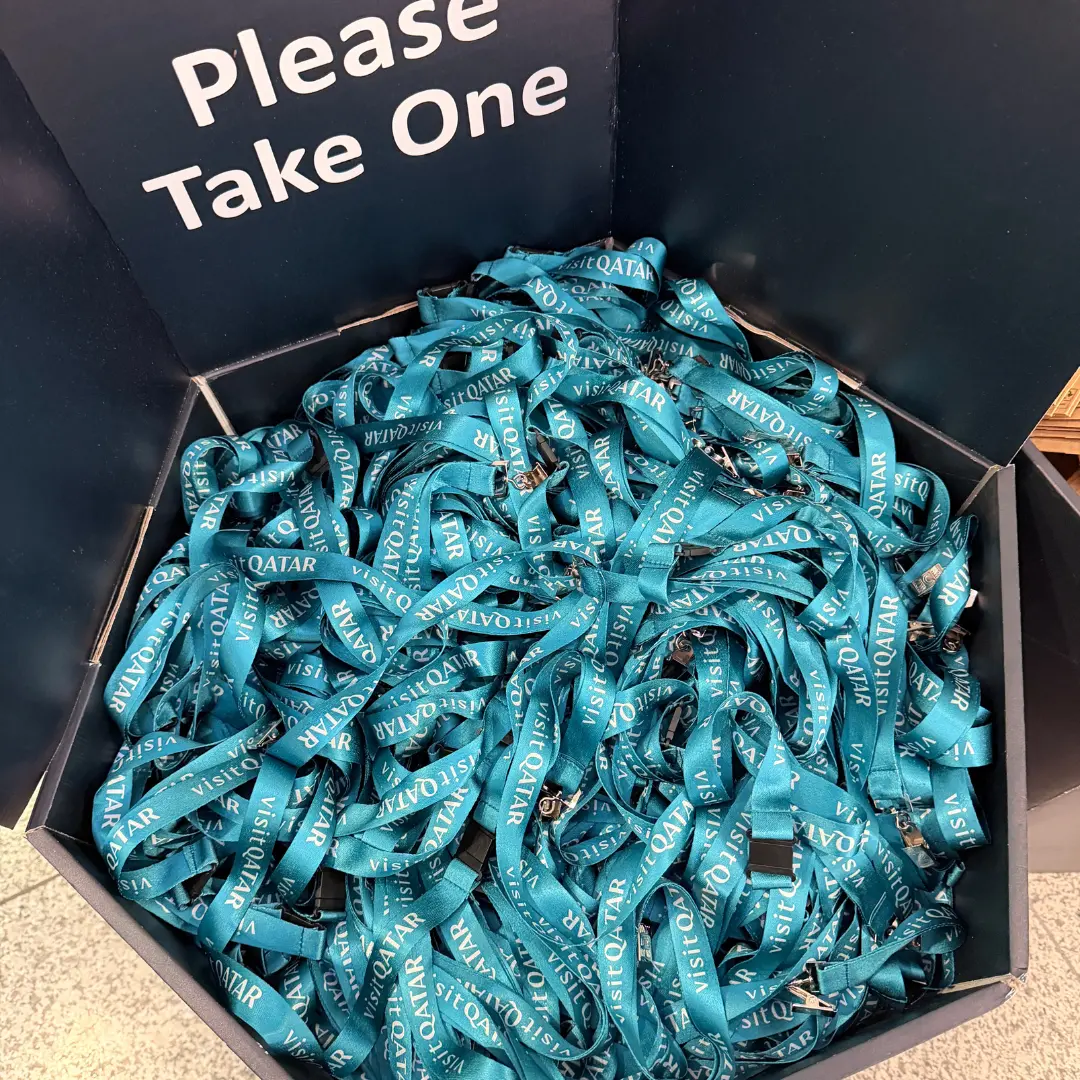
- Qatar explained pearl diving, the heritage that built the country’s economy long before gas, alongside calligraphy and Qatar Airways. Visit Qatar also sponsored the lanyards worn by visitors across the hall. I wrote about Qatar’s 12 years at the same stand in Monday’s Gulf Desk.
- Oman spoke about its heritage and its museums, with a pavilion of 29 Omani institutions and a strong showing from small businesses.
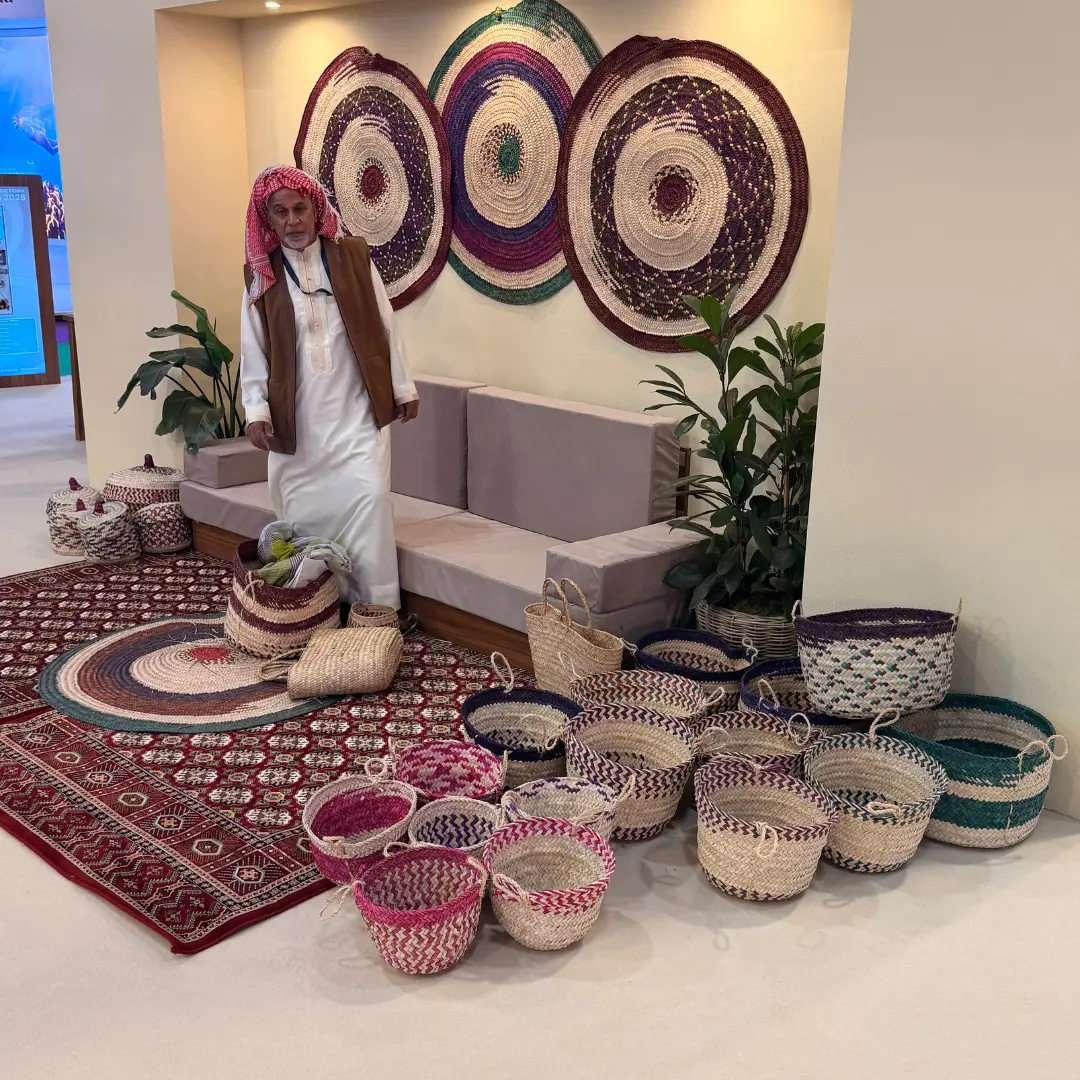
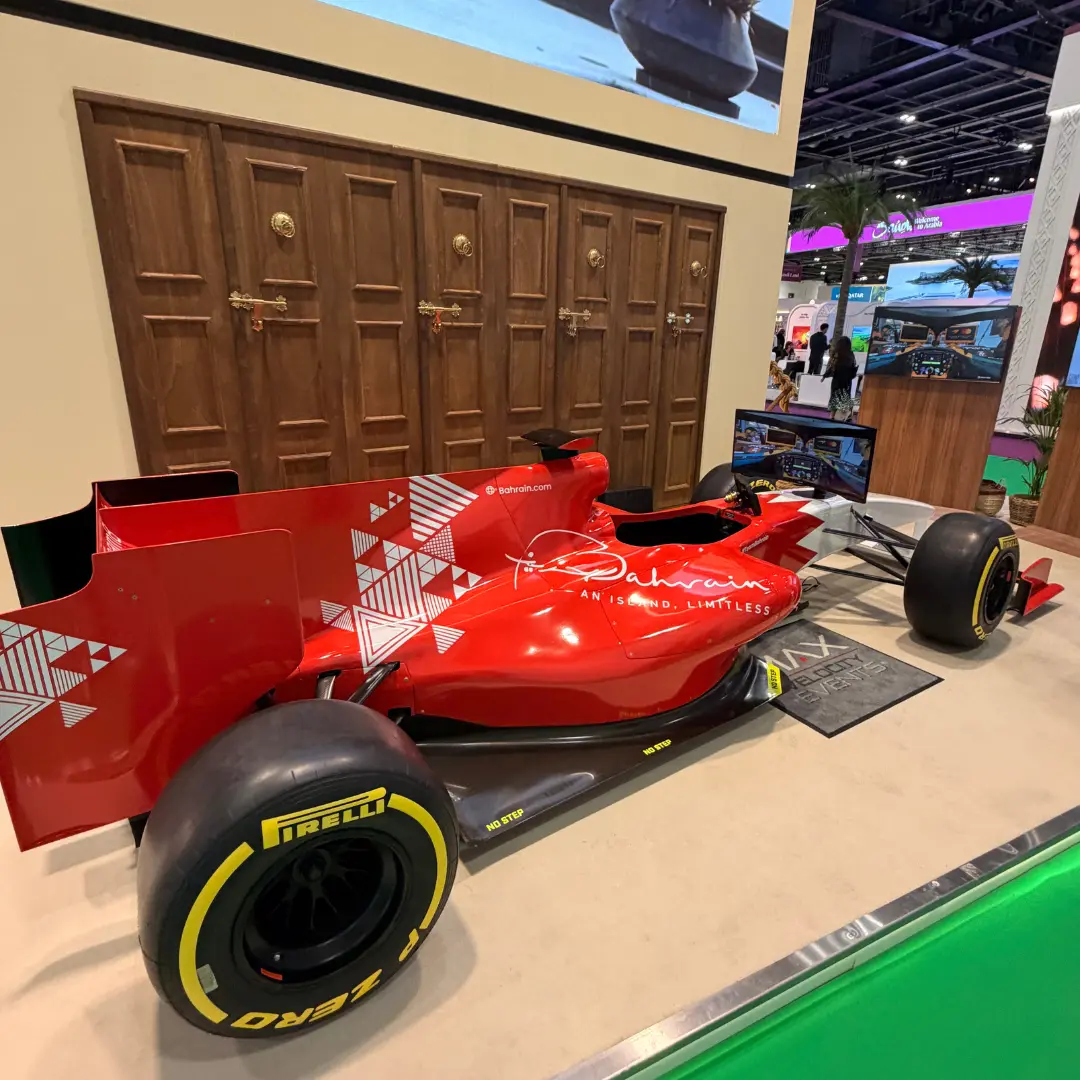
- Bahrain paired Formula 1 with heritage. A Bahraini weaver worked at the stand, explaining each technique and pattern to anyone who stopped.
- Sharjah had craft stations where visitors could make their own pieces, incense burning at the stand, and its classic car heritage on show. It also taught me something I did not know: some of the same ancient inscriptions found in Saudi Arabia also appear in Sharjah.
- Abu Dhabi served Arabic coffee and showed a model of Guggenheim Abu Dhabi, opening on 11 December.
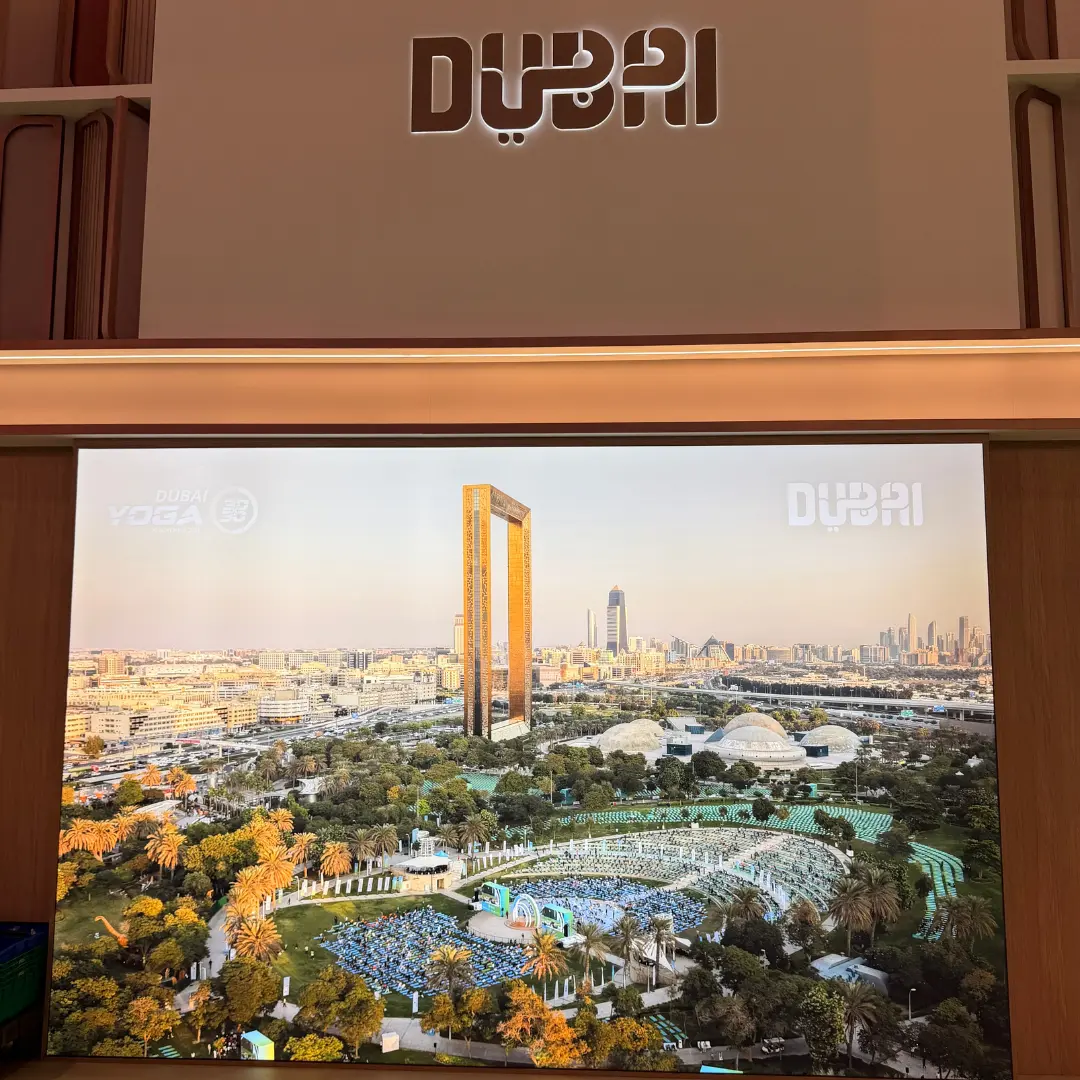
- Dubai, Fujairah and Ras Al Khaimah each ran their own stands. Ras Al Khaimah’s was one of the largest in the hall, and Fujairah’s one of the most beautiful.
- Saudi Arabia had three tour guides on live video from inside the Kingdom, so a visitor at ExCeL could speak directly to someone standing in the destination.
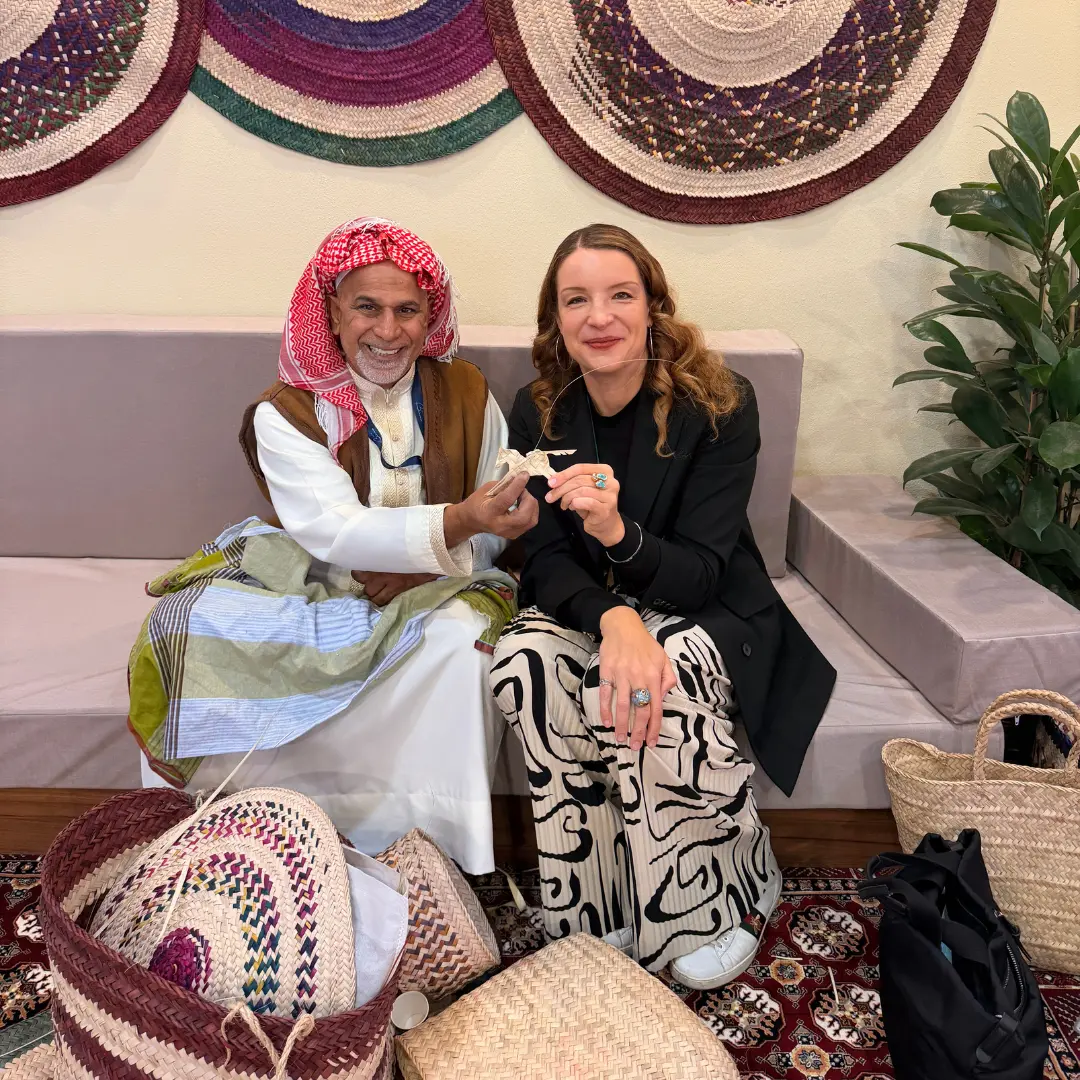
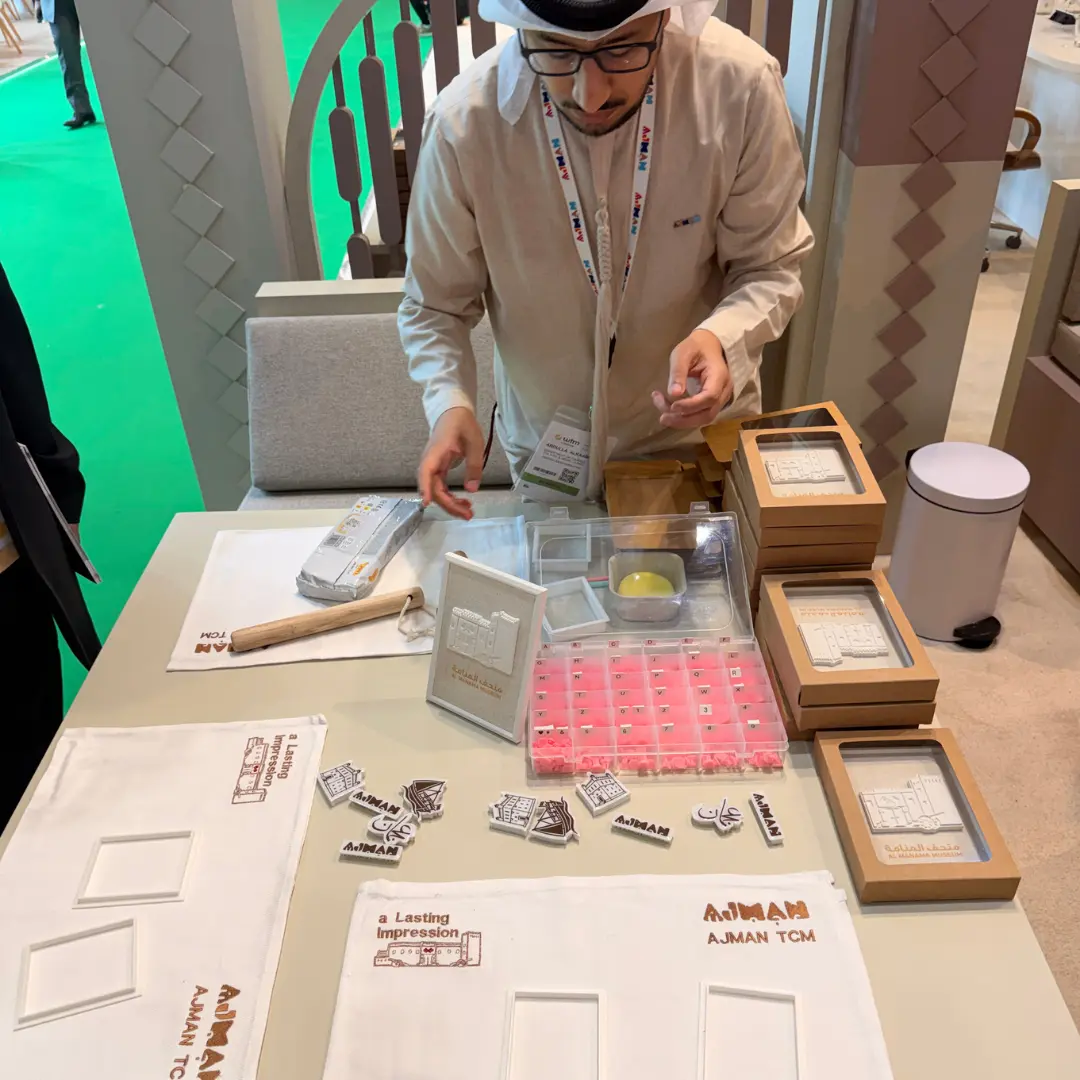
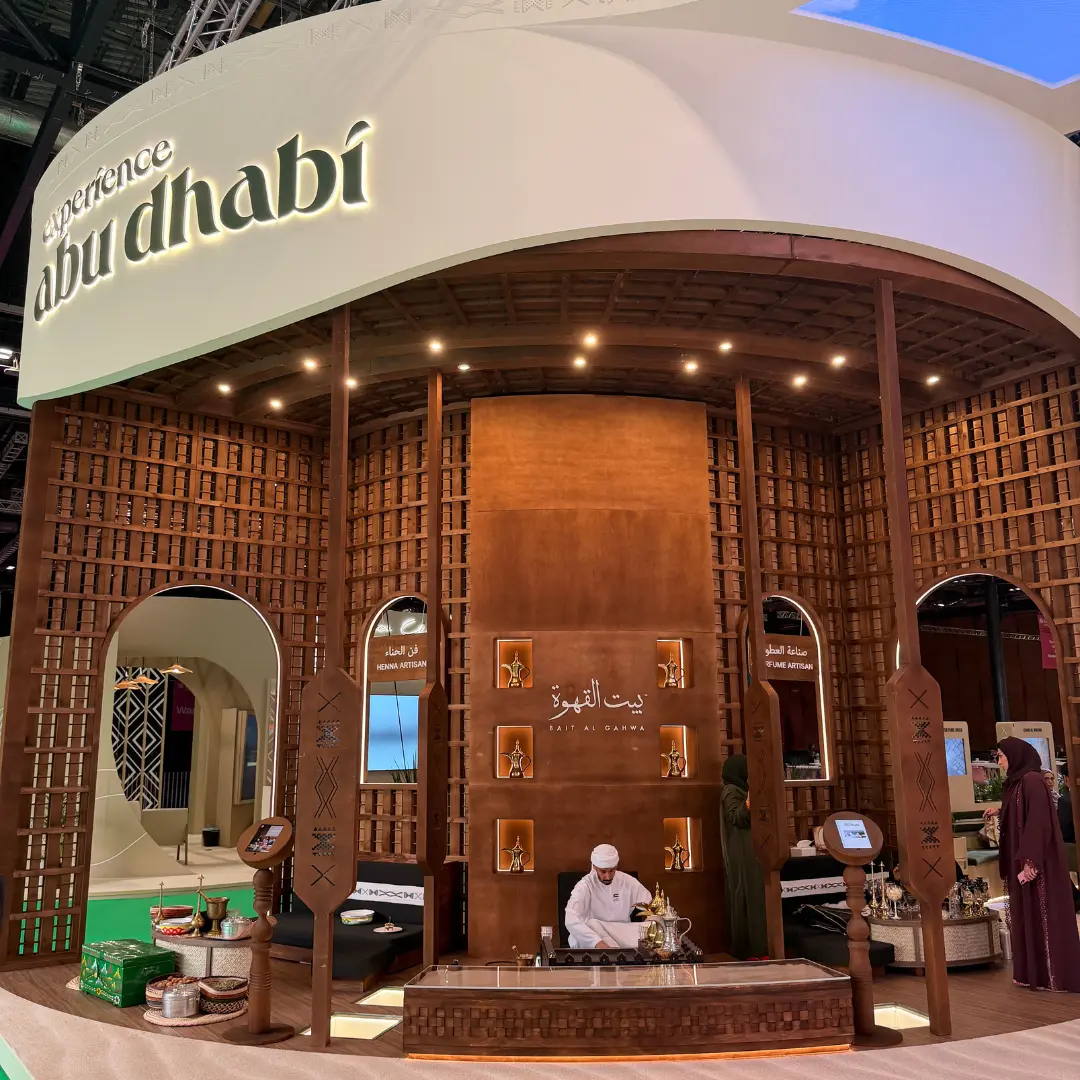
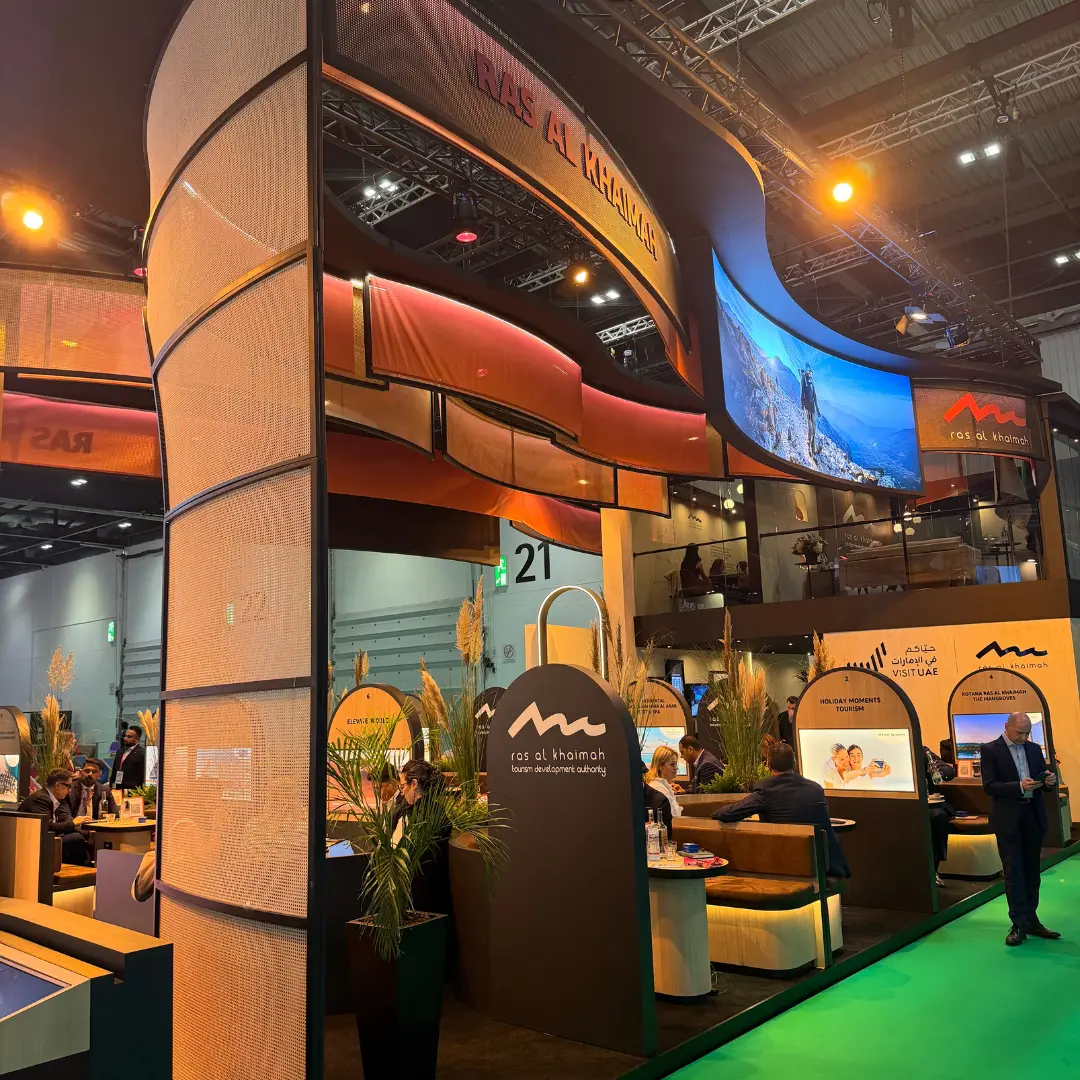
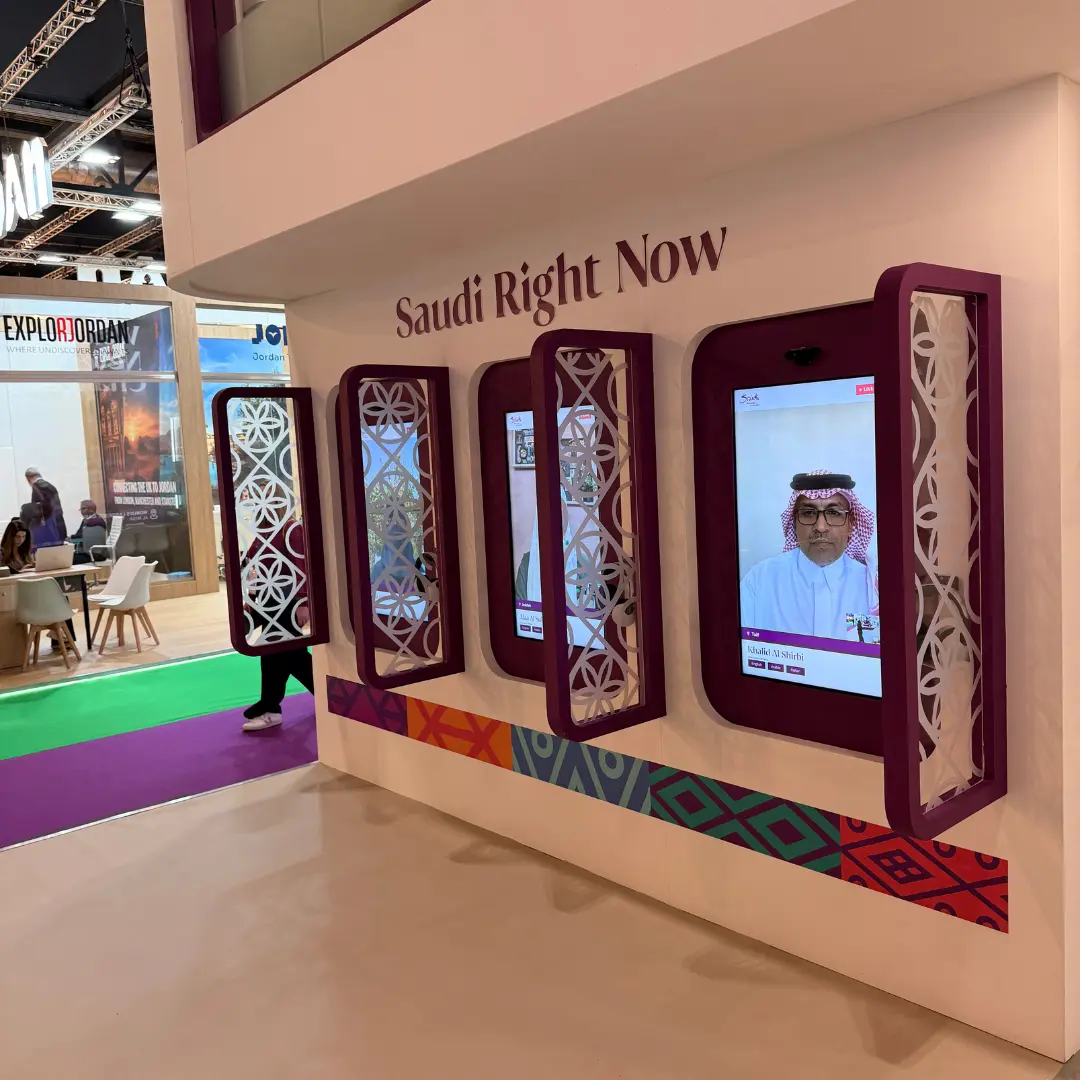
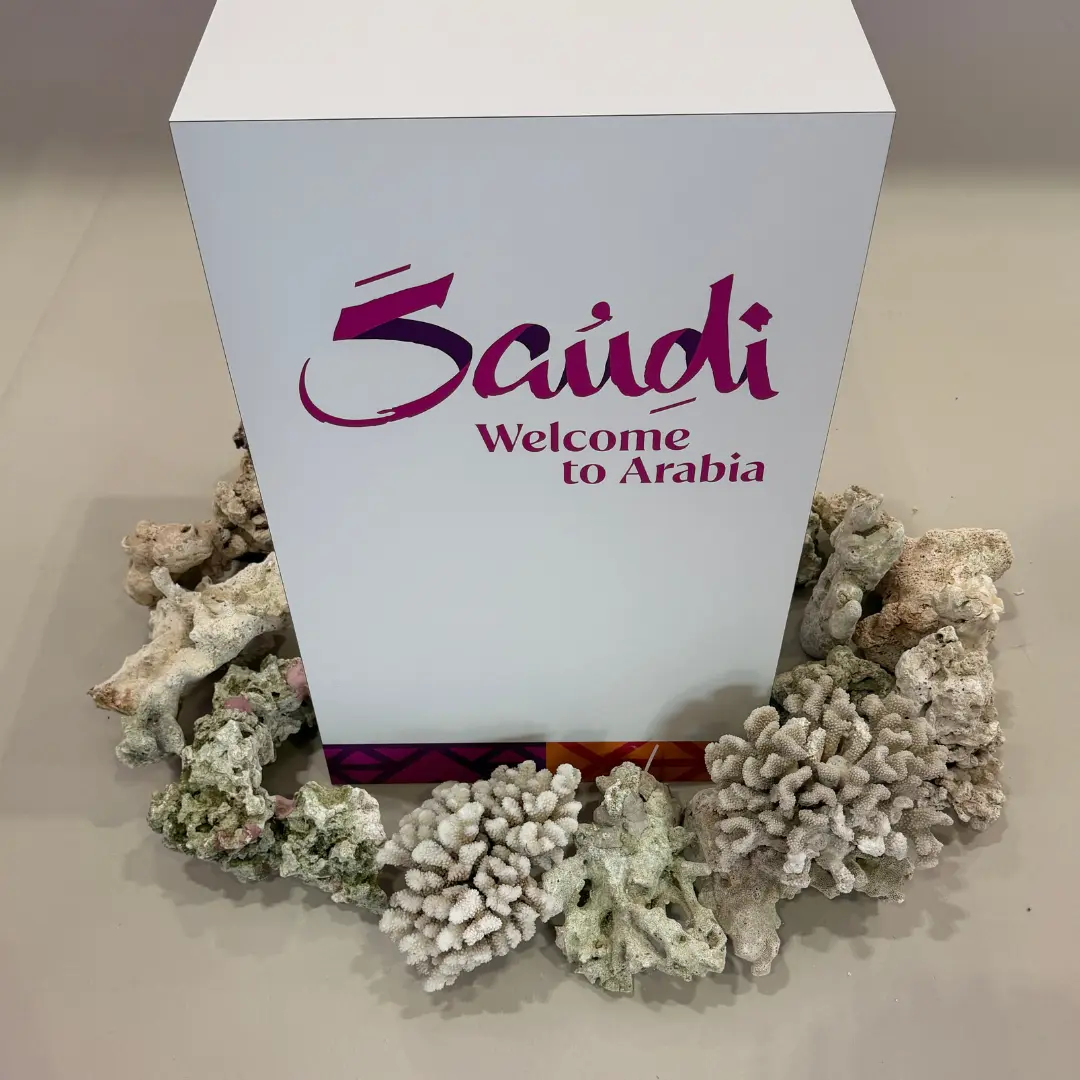
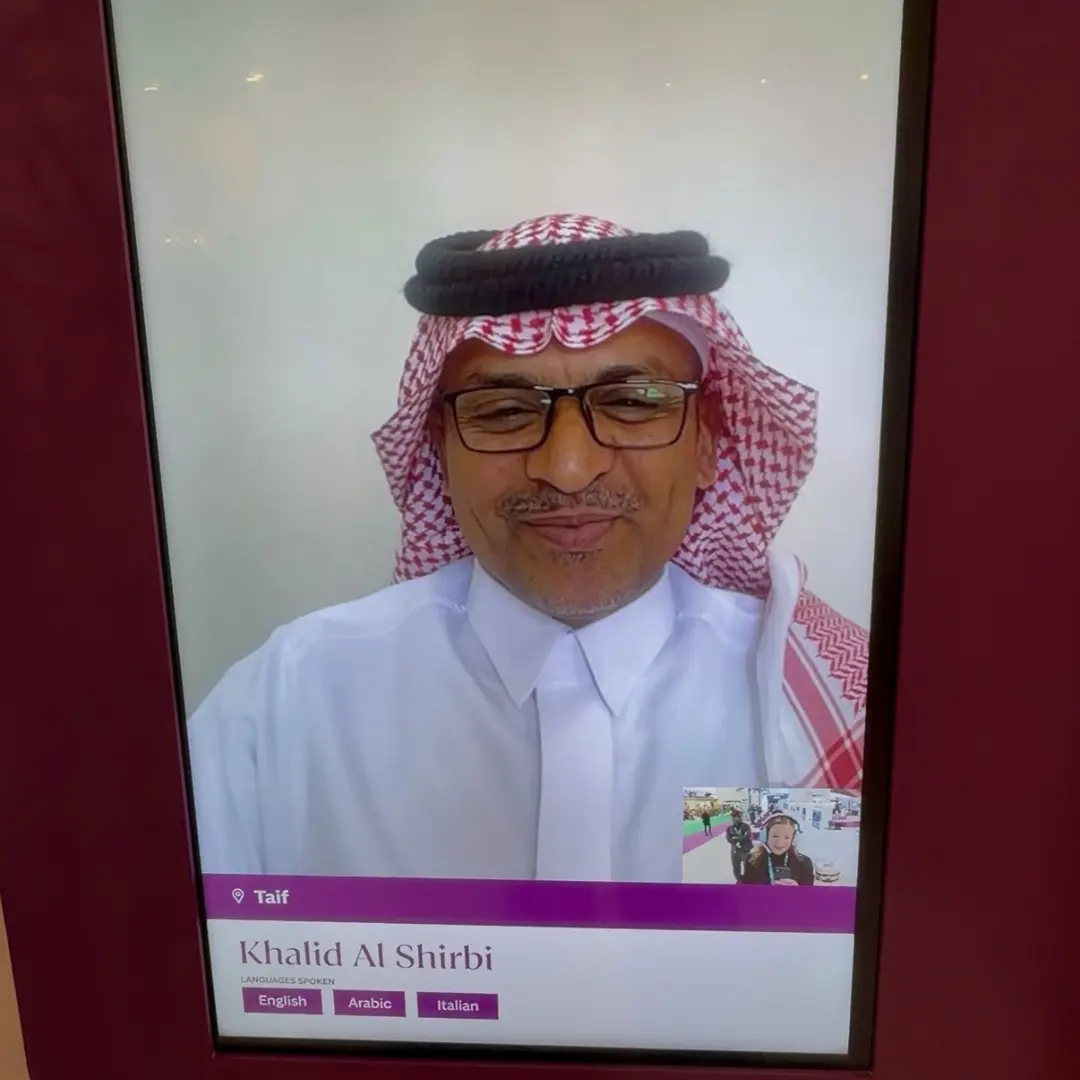
One of those guides was my friend Khalid Al Sherbi. We talked for a long time, about the places he takes visitors and what they ask him. It was the most enlightening conversation I had all week, and it happened through a screen on a stand in east London.
That live link was the smartest idea on the floor. A hotel render cannot answer a question. A person can. The Saudi team understood that visitors are buying the person who will greet them on arrival as much as the view from the room.
The UAE deserves its own note. Its emirates came as individual destinations, each with its own story, from Sharjah’s crafts to Fujairah’s coast. A Western buyer who still thinks of the UAE as Dubai alone would have missed half of what was on offer.
Read the stands closely and you also see priorities. Qatar foregrounded its events calendar. Saudi Arabia foregrounded AMAALA, the Red Sea and the winter season (full program here). Oman foregrounded its small businesses. Bahrain foregrounded motorsport and events. Abu Dhabi foregrounded a museum opening in five weeks.
None of this is decoration. When a national tourism body sponsors the lanyards every visitor wears, tourism is not an afterthought. It is national strategy, funded and staffed like one.
What else did Saudi Arabia bring to WTM London 2026?
Saudi Arabia brought a football trophy, a fashion partnership and a prayer room, and each said something about how the Kingdom presents itself.
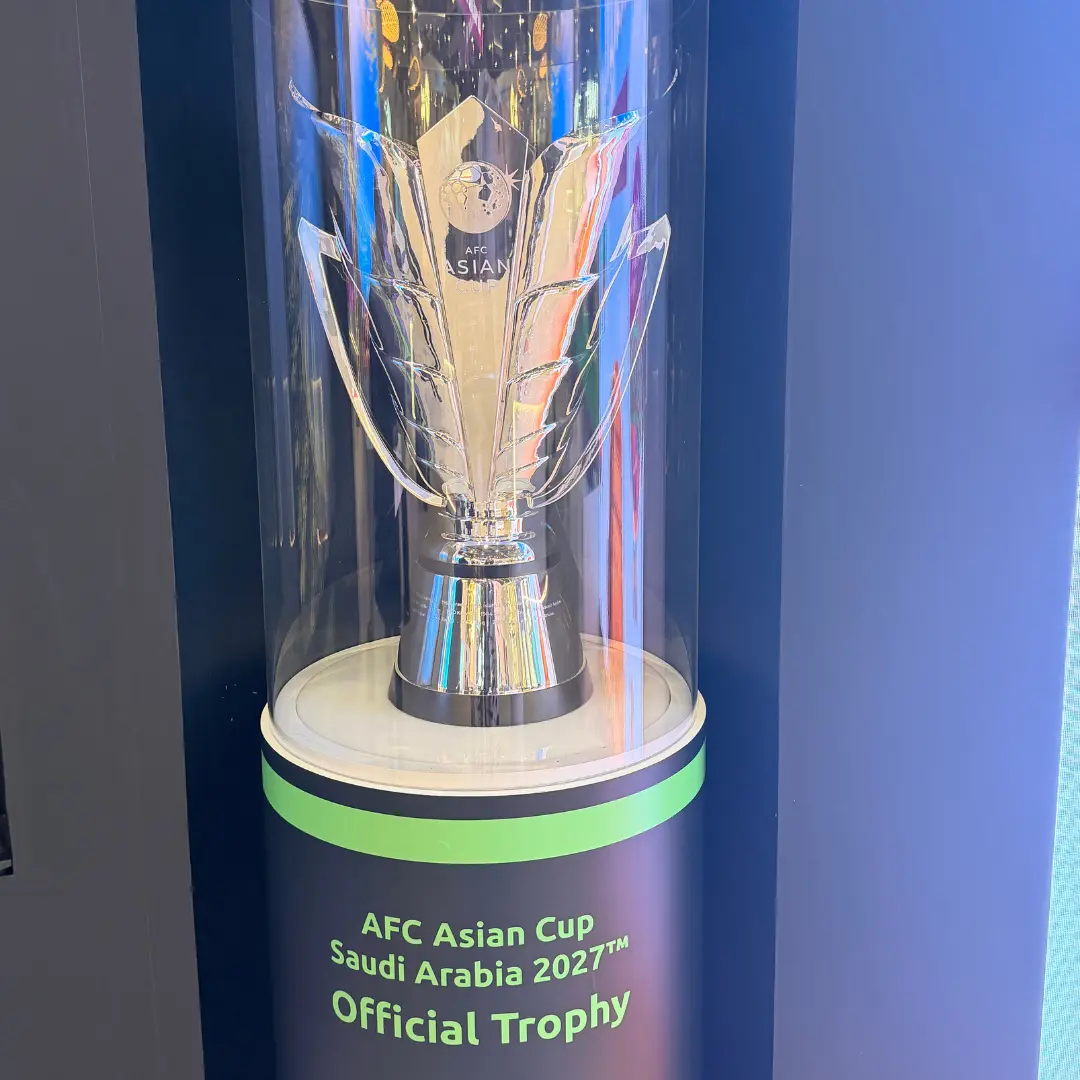
- The trophy. Saudi Arabia brought the official AFC Asian Cup trophy to London. The Kingdom hosts the tournament for the first time, in Riyadh, Jeddah and Khobar. On 3 November, the day Saudi Land opened, the AFC announced it plans to move the tournament from January 2027 to 23 December 2027 – 21 January 2028, subject to FIFA approval. The trophy still came. Sport and tourism are being sold together, and visitors stopped to photograph it as much as anything in the hall.
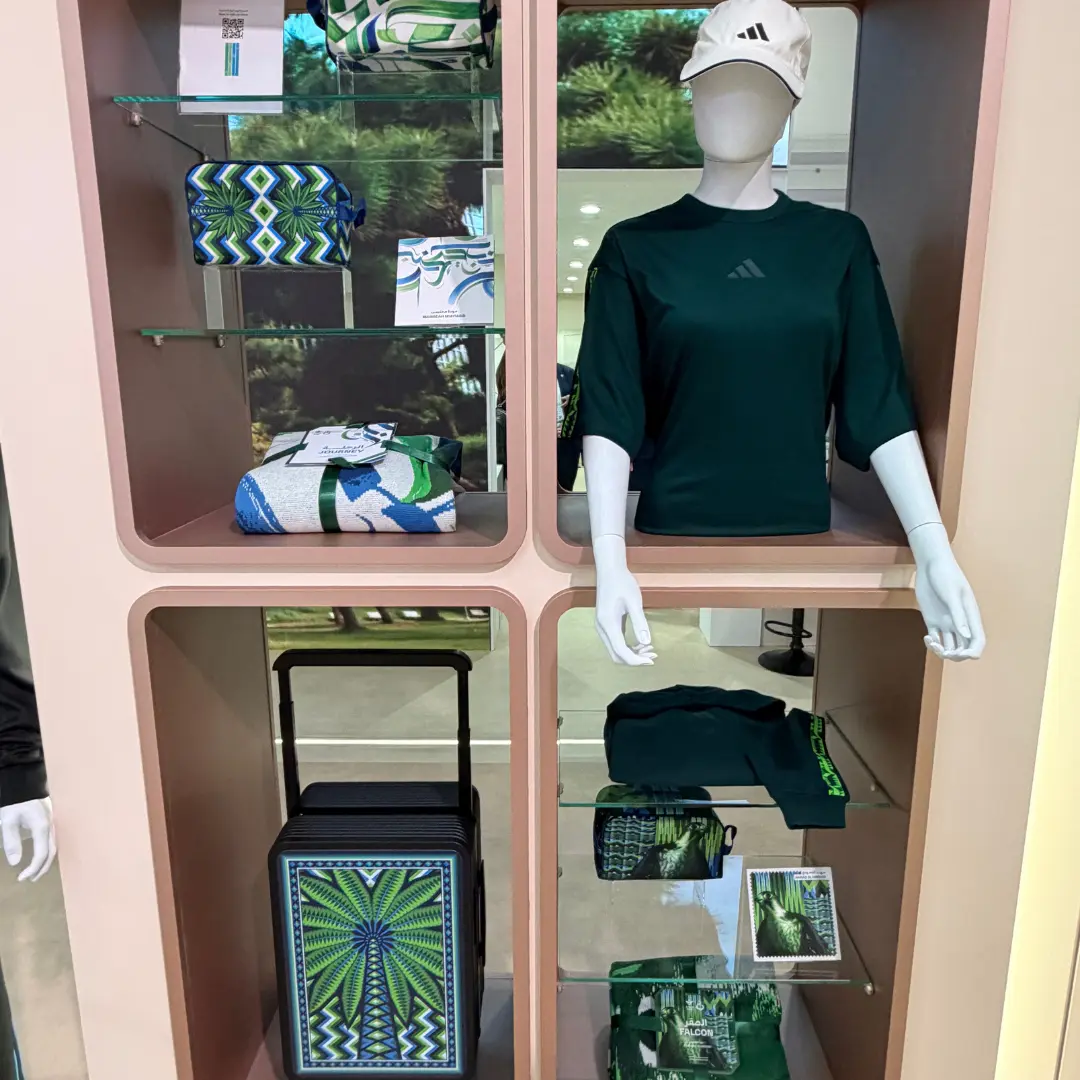
- The Saudia partnerships section. The national airline had a section devoted to its brand partnerships, including adidas. Even here, the emphasis was local. Palm trees ran through the designs, including a suitcase I was very tempted to buy, and the falcon of the Green Falcons, the national football team, featured prominently.
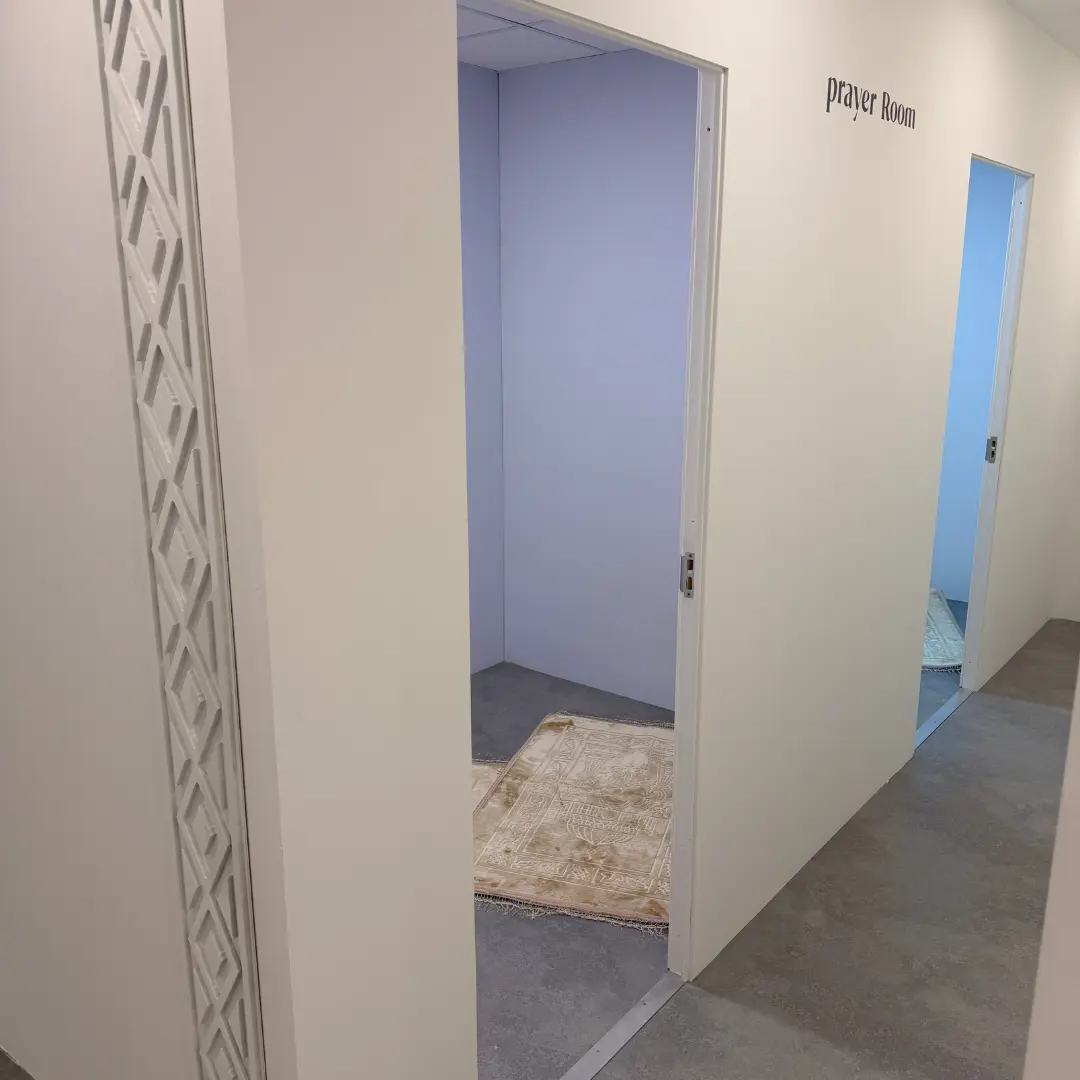
- A prayer room. The Saudi stand included a prayer room for visitors and staff. It is a small, practical detail across three long days at ExCeL, and it said more about hospitality than any banner.
Every one of these stands told you where a Gulf country is putting its money and attention next. Most Western executives only see those signals once a year, at a show like this. Join the Majlis Brief waitlist and you will read them in 10 minutes a day: Gulf news, ministerial changes and the GCC calendar, brought together in one place.
What does an empty stand tell a Gulf buyer?
An unstaffed stand tells a Gulf buyer that the relationship is not a priority, and Gulf partners remember it. I saw this clearly on the second day. Several hotel stands from one Asian destination, which I will not name, had nobody on them at all.
That did not happen on a single Gulf pavilion I visited. At Saudi Arabia, Qatar, Oman, Bahrain and the UAE, someone was ready to receive you. Coffee and dates were offered at every one, but what mattered was who offered them: people with time to stay, explain and ask about you.
Gulf delegations understand something many Western exhibitors forget. Showing up is the message. In a month when travelling from Riyadh to London meant three flights, they came ANYWAY, and they staffed their stands as if every visitor might become a partner.
The commercial lesson is uncomfortable for many Western firms. Your Gulf counterparts are noting who appears in difficult months, who sends a junior, and who sends nobody. I have watched that memory shape contracts years later.
What does WTM London 2026 mean for Western businesses in the Gulf?
For Western executives working in Saudi Arabia, Qatar or the UAE, WTM London 2026 is a reminder that presence is read as commitment. Here is what to do with that this week:
- Show up in the hard months. If a Gulf partner is under pressure, this is when a visit, a call or a handwritten note counts most. The same gesture in an easy year is forgotten.
- Send someone with time. The salesperson on your stand is often too busy to talk properly. Gulf visitors notice. Put a senior person on the meeting who can sit down and stay.
- Read the stand as strategy. What each pavilion chose to show tells you where that country is putting its money and attention. Match your pitch to what they foregrounded, not to last year’s brochure.
- Lead with substance. Learn one specific thing about your counterpart’s heritage or history before you meet. Treat it as basic preparation. It changes the first five minutes.
- Follow up within the week. A short, personal message after an event, referring to what you actually discussed, keeps the door open. Silence closes it.
These steps get you in the room with the right posture. Knowing which ministry has reshuffled, which project has moved forward, and which partner is quietly under pressure this month is the harder part. That is exactly what I track for readers every week.
Most executives try to piece this together from a dozen news sites, WhatsApp groups and the odd conference. The Majlis Brief brings it into one place. Gulf news alerts, ministerial changes and appointments, the GCC calendar and what to do about it, in 10 minutes a day. You will know what is happening in the Gulf before your next meeting, not after it. Join the Majlis Brief waitlist.


What should Western firms take from WTM London 2026?
The halls at ExCeL will be packed away by Friday. The memory of who showed up will last much longer. In the Gulf, attendance is never just logistics. It is the first line of the contract.
Corina Goetz is a Saudi and Gulf business expert and the founder of Star-CaT, advising Western companies in Saudi Arabia, the UAE and Qatar. She has worked with Gulf royal households, ministries and family offices, and helps Western businesses build trust in Saudi Arabia and the GCC. She writes a weekly Middle East blog and The Gulf Desk. See how Star-CaT can help.
Frequently asked questions
Did Saudi Arabia attend WTM London 2026?
Yes. Saudi Arabia exhibited at WTM London 2026 with Saudi Land, a pavilion of 37 tourism partners at stand S9-200, which Saudi Minister of Tourism Ahmed Al-Khateeb opened at ExCeL London on 3 November 2026.
When and where was WTM London 2026?
World Travel Market London 2026 took place from 3 to 5 November 2026 at ExCeL London. Saudi Arabia, Qatar, Oman, Bahrain and the UAE all exhibited with national or emirate-level pavilions.
How many years has Qatar exhibited at World Travel Market London?
Visit Qatar’s appearance at WTM London 2026 was its 12th consecutive year at the show, every year since 2014. In 2026 it brought a delegation of 40 tourism partners to stand S8-210.
Why did Saudi delegates travel to WTM London via Doha, Abu Dhabi or Bahrain?
Flights out of Saudi Arabia were heavily disrupted in October 2026 after a projectile struck a passenger terminal at King Khalid International Airport in Riyadh on 10 October. Many delegates reached London through Doha, Abu Dhabi or by road to Bahrain.
When does Guggenheim Abu Dhabi open?
Guggenheim Abu Dhabi, designed by Frank Gehry on Saadiyat Island, is due to open on 11 December 2026, according to the Abu Dhabi Department of Culture and Tourism. A model of the museum was shown on the Abu Dhabi stand at WTM London 2026.
When is the AFC Asian Cup in Saudi Arabia?
Saudi Arabia hosts the AFC Asian Cup for the first time, in Riyadh, Jeddah and Khobar. On 3 November 2026 the AFC announced plans to move it from 7 January–5 February 2027 to 23 December 2027–21 January 2028, subject to FIFA approval. Saudi Arabia showed the official trophy at WTM London 2026.

Corina Goetz is a Saudi and Gulf business expert and the founder of Star-CaT, advising Western companies in Saudi Arabia, the UAE and Qatar. For more than 25 years she has worked with Gulf royal households, ministries and family offices, and helped Western businesses build trust in Saudi Arabia and the GCC. She writes a weekly Middle East blog and the Gulf Desk. If you have a live Saudi deal, book a private consultation.

Related Posts
This Post Has 0 Comments