
The Gulf Moves in Hours. Your Sign-Off Takes Three Days.
In the Gulf, the big moments arrive without warning, and they close fast.
A head of state dies and the country is in mourning within the hour. The national team wins and a public holiday is announced by lunchtime. Eid is confirmed the night before, not the month before. A landmark is secured — a World Cup, a mega-deal — and the region is celebrating before your team has cleared its morning inbox.
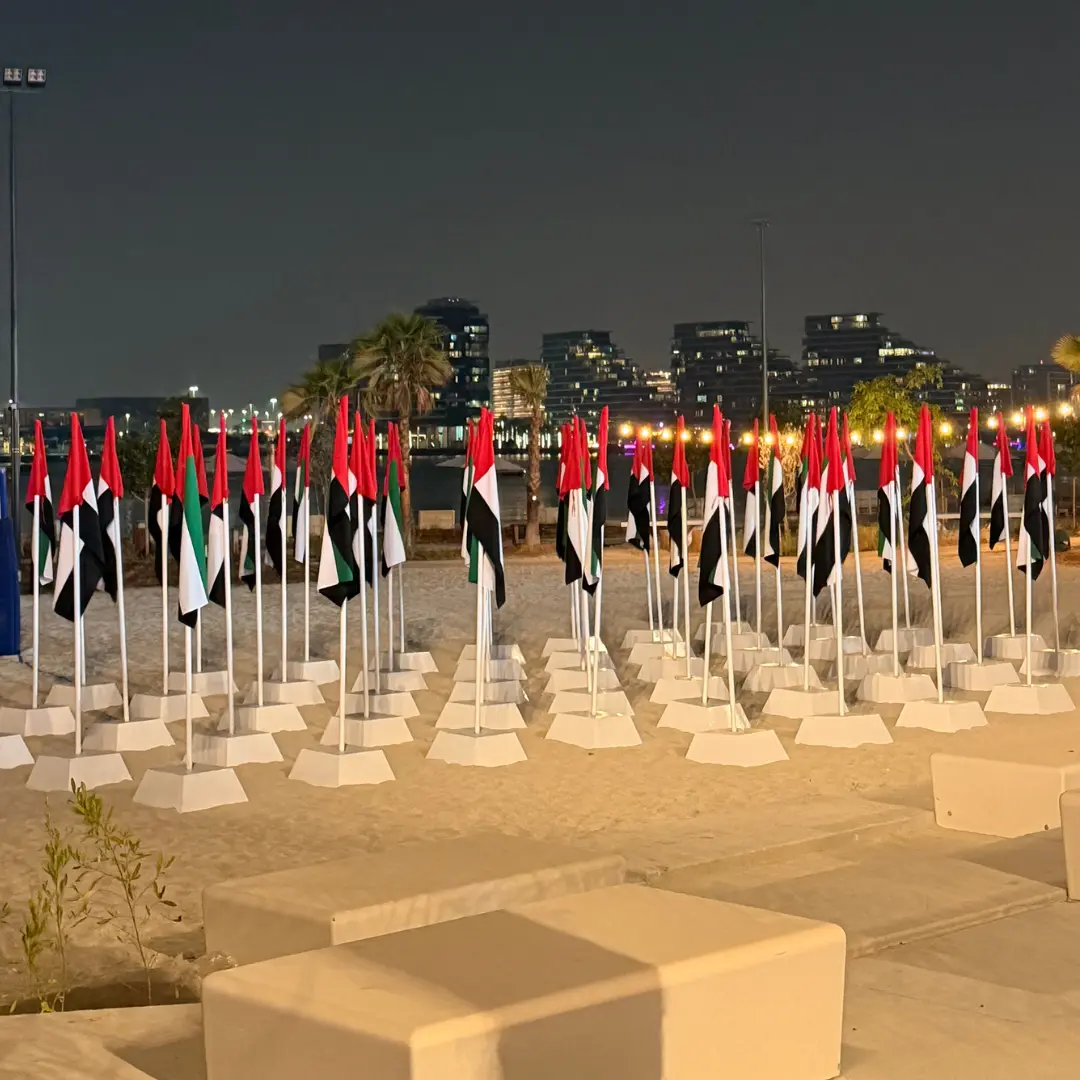
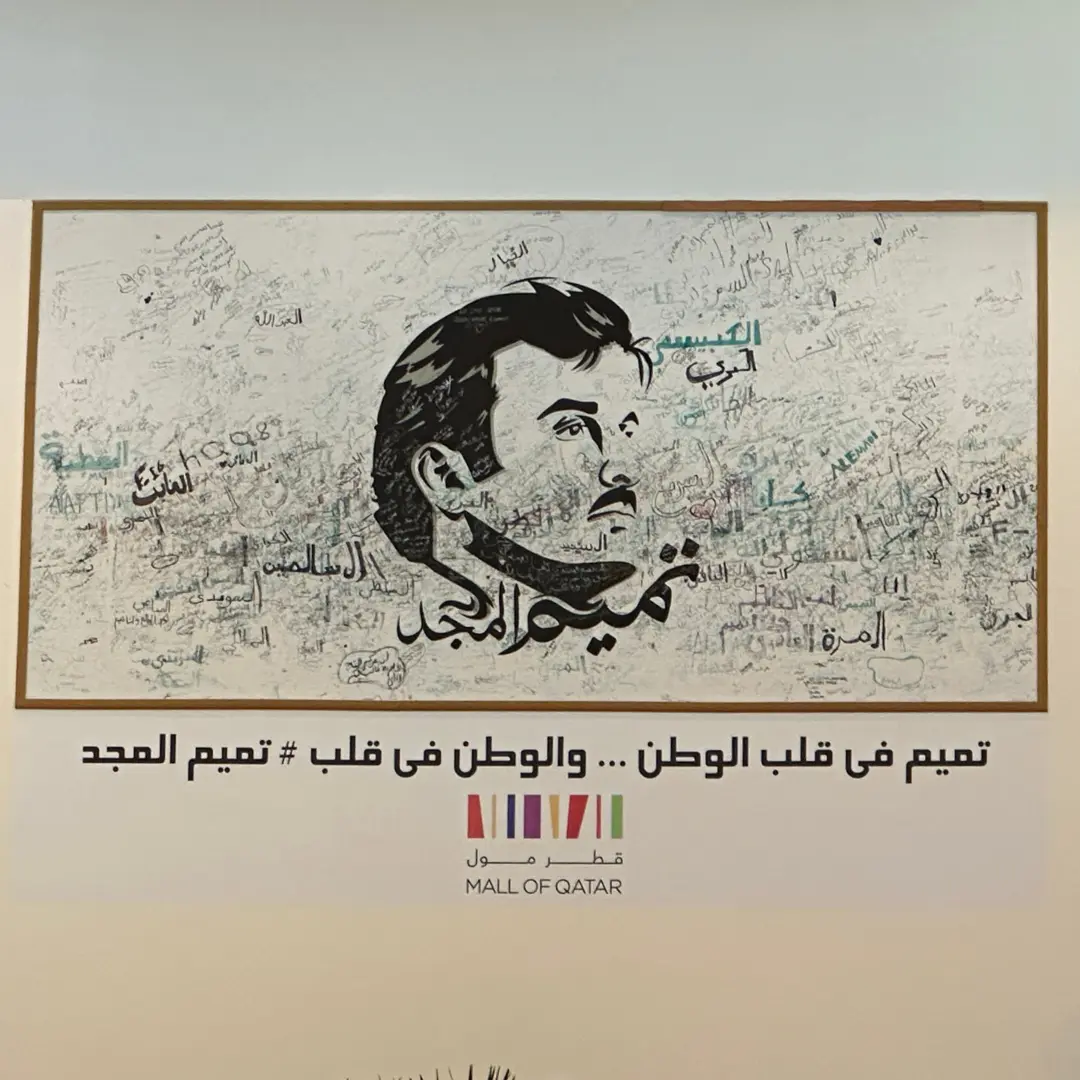
This last month brought us grief. Qatar mourned its Father Emir, Sheikh Hamad bin Khalifa Al Thani, and the UAE, Kuwait and Bahrain mourned alongside it. Next time it will be a celebration. The pattern is the same either way.
Somewhere in London, the message — condolence or congratulation — sits in an approval queue. Legal has a question. The account lead is on leave. It clears on day three. By then the moment has closed. And the client noticed.
This is the quiet cost of getting doing business in the Gulf wrong. Not a dramatic blunder — a message that was correct, sincere, well-intentioned, and three days too late. In the Gulf, the timing of your response is part of the message, whether the news is good or bad. A firm that arrives late has said something, whether it meant to or not.
What actually happens when a Gulf moment breaks
The window is far shorter than a Western business calendar assumes. When a major national moment lands — a death, a succession, a national day, a surprise holiday, a landmark win — the response is expected quickly, and the sequence looks roughly like this:
- Hour zero: the news breaks. In the Gulf it travels almost instantly, and the first messages of condolence or congratulation begin within the hour.
- The first day: this is the window. Heads of state, businesses and partners reach out fast. Presence in the first 24 hours reads as a real relationship.
- Days two to four: the moment is lived collectively — mourning observed, or a holiday taken. Both mourning periods and surprise national holidays in the Gulf tend to be short and immediate, announced with little notice.
- After that: the window has closed. A message that arrives once the country has returned to work is not a warm gesture. It is a reminder that you were not paying attention.
A Western approval chain is built for none of this — for a market where a considered response next Tuesday is perfectly acceptable. Against a 24-hour window, “next Tuesday” is a failure the sender never sees.
It is not only mourning — the good news moves just as fast
The same clock governs the happy moments, and Western firms miss those just as often. This is the half of it that gets overlooked, because a condolence feels obligatory while a congratulation feels optional. In the Gulf, both are read the same way.
Consider the celebrations that arrived with no notice at all:
- When Saudi Arabia beat Argentina at the 2022 World Cup, the Crown Prince declared the next day a national holiday — announced that same evening. The whole country stopped. Firms with Saudi clients who said nothing, or who sent a stiff note two days later, simply were not part of the moment.
- Saudi Arabia was confirmed as host of the 2034 World Cup — a generational national milestone, and a natural moment to reach out to any Saudi partner. Most Western firms treated it as a sports headline, not a relationship opening.
- Eid dates are confirmed by moon sighting, often the night before. Offices close, sometimes for a week, on a day or two of notice. Firms that plan around a fixed Western calendar are caught out, miss the greeting entirely, and chase deliverables into a public holiday nobody told them about.
The instinct that makes a firm quick to console is the one that makes it quick to congratulate — and the absence is read the same way in both. Miss the celebration, and you have told the client as much as if you had missed the loss.

Why is the window hours, not a week?
Because in the Gulf, a major national moment is a relationship event, and relationships are answered in real time. When something significant happens to the country — good or bad — the people you work with are living it personally and collectively at once. The response you send is read as a direct signal of where they sit in your priorities.
This is not sentimentality; it is how standing is measured. The partners who show up first, and without being chased, are marked as the ones who understand. The ones who go quiet, or send something stiff and late, are marked too — just less favourably. None of it is said out loud. All of it is remembered.
And the reading is fair, from the client’s side. If your organisation can move within hours for a deadline that matters to you, but takes three days to acknowledge something that matters to them, the message is not subtle. Speed is how care becomes visible. A late message says the care was not quite enough to move your system. One missed moment is recoverable; a pattern of arriving late becomes the story the client tells about you — reliable on the invoice, absent on the days that mattered.
Why do good firms miss it?
Because they are not uncaring — they are trapped in an approval chain designed for a market where nothing is time-sensitive. This is the part worth being honest about. The firms that miss these moments are usually the ones that would most want to get them right.
The mechanism is almost always the same. A moment breaks over a weekend, or during someone’s leave. The message needs three sign-offs. Legal wants to check the wording. Nobody is quite sure who has the authority to press send without the full chain. Each link is individually reasonable. Together they guarantee the message lands after the window has shut.
I have spent years working with this region, and I watch capable, well-run companies lose ground for a reason that has nothing to do with competence and everything to do with readiness. The failure is not the wrong words. It is not having agreed, in advance, the words and the authority to send them. In a conversation this fortnight, a communications lead put it to me plainly: by the time our process clears a message, the moment has passed. That is not a one-off. It is a standing gap that reopens every time the region has a significant day — and the Gulf has a lot of them.
The firms that get this right are not faster typists. They have done the work before the moment, so that when it arrives there is nothing left to decide.

What to put in place before the next moment arrives
Prepare the response before you need it, so that when a moment breaks the only thing left to do is send. Here is what that looks like in practice, and you can set most of it up this month:
- Pre-agree the messages — for grief and for celebration. Draft and approve, now, a small set of condolence and congratulation notes for the situations that recur — the loss of a leader, a national day, a major national win, a religious holiday. Have them signed off while there is no time pressure, so no approval chain stands between you and the window.
- Name who can press send. Decide in advance who holds the authority to send an approved message without re-running the full sign-off. One named person, with clear permission, is the single most important fix. Most firms never make this decision, so it defaults to “everyone and no one”.
- Assign someone to watch. Regional moments do not arrive on your calendar with notice — a football result and a royal announcement land the same way. Someone, internally or on your behalf, needs to be watching the region closely enough to flag the moment within the hour, not the day.
- Get the calendar you cannot buy off the shelf. Ramadan, Eid and national days do not sit neatly in a Western diary, and Eid in particular is often confirmed only a day or two ahead. Knowing when the region is about to stop — before it stops — is half of never being caught out. Subscribe to the Gulf Desk who tells you all dates or hire Star-CaT as a consultant to put this in place.
- Know which moments call for which response. Not every headline warrants a note, and the wrong response to a sensitive moment is worse than silence. Reading which is which — and getting the register right, celebration or condolence — is the judgement that separates a warm gesture from an awkward one.
The first four you can put in place on your own, and they will close most of the gap. The fifth — the judgement of which moments matter, what to say, to whom, and in what register — is where preparation stops being an admin task and becomes expertise. That is the part that cannot be templated, because it changes with the moment.
That judgement, kept on tap, is what the Gulf Desk is built for. It is the constant readiness this problem actually requires: the region watched in real time, the moment flagged before your competitors have noticed, and the pre-agreed protocol and the judgement to use it already in place — so care never dies in a queue again. For firms that would rather have it watched and handled for them entirely, a standing retainer is the higher-touch version of the same thing.
If your firm has real relationships in the Gulf, this gap is sitting in your process right now, waiting for the next moment — a loss or a win — to expose it. The people you work with will remember who reached them on the day. The only question is whether your system will let you be one of them.
Getting the Gulf right is rarely about grand gestures. More often it is about not letting a good instinct die three days deep in an approval chain.
Frequently asked questions
How quickly should you respond to a Gulf client when big news breaks? Within the first 24 hours, ideally the same day. In the Gulf, major national moments — a loss or a celebration — are answered in real time, and presence in the first day reads as a genuine relationship. A message that arrives after a short mourning period or a surprise holiday has ended reads as an afterthought, however well written.
What should you say when a Gulf leader dies? Keep it short, warm, sincere and correct. Acknowledge the loss with dignity, express your condolences plainly, and do not attach any commercial ask. A simple, respectful message sent quickly is far stronger than an elaborate one sent late or laden with business.
Should you congratulate a Gulf client on a national win or holiday? Yes. Congratulations on a national day, a major win, or a religious holiday such as Eid are read as warmly as condolences are — and their absence is noticed just as much. A brief, genuine message sent on the day signals that you are paying attention to what matters to them, not only to your own deadlines.
How do you prepare so you don’t miss the next one? Agree the messages and the authority to send them before the moment arrives. Pre-draft and approve condolence and congratulation notes, name one person who can send without re-running the full sign-off, keep an accurate Gulf calendar, and make sure someone is watching the region closely enough to flag the moment within the hour rather than the working week.

Corina is a Middle East Strategist and Founder of Star-CaT. Over the past 20 years, she's helped thousands of clients overcome their anxieties and misconceptions about the Gulf region, and take advantage of the incredible opportunities available to them.

Related Posts


This Post Has 0 Comments