
What the UAE Expat Pledge Tells Western Business About Gulf Loyalty and Trust
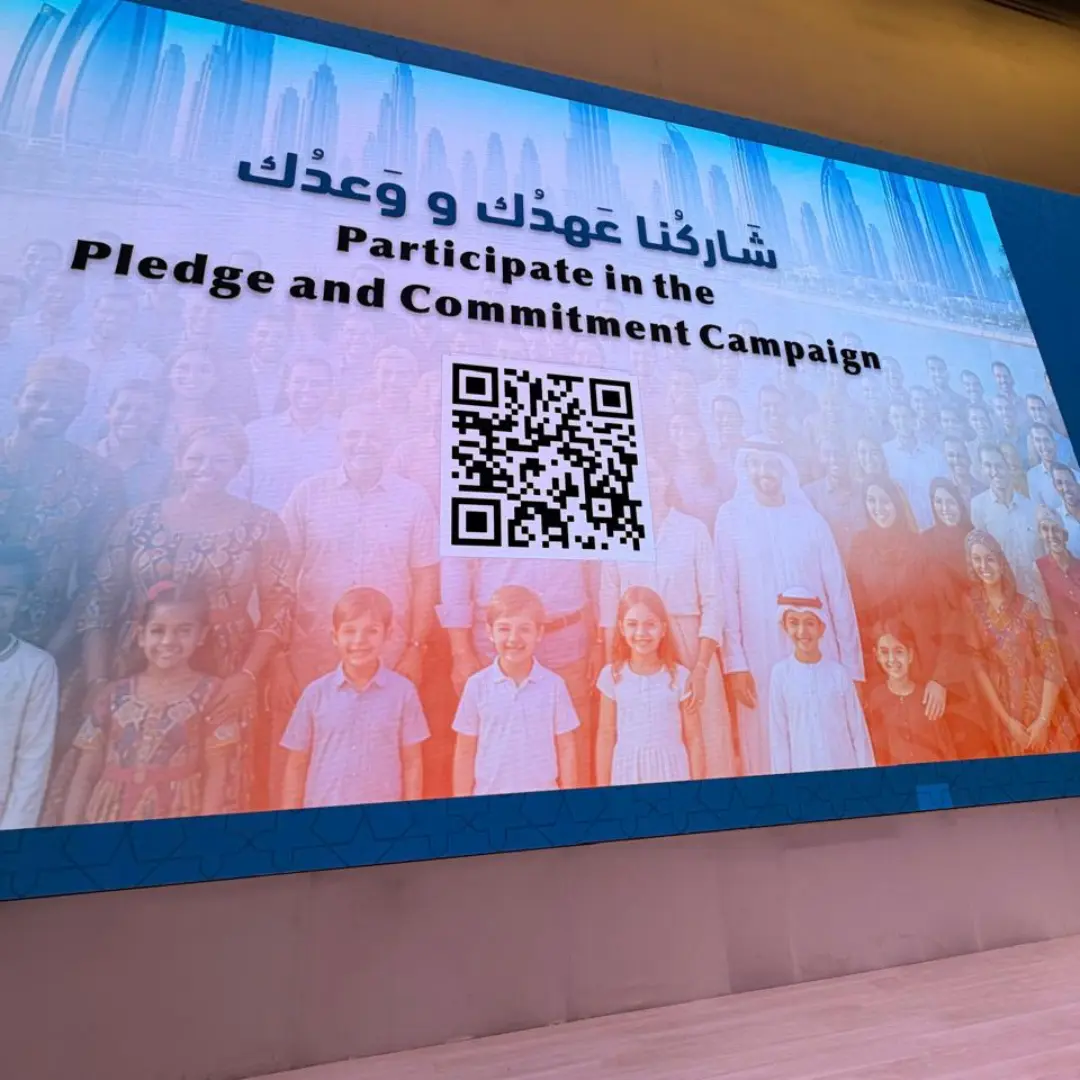
On 20 May in Abu Dhabi, a country invited roughly 10 million people — most of whom hold foreign passports — to sign a loyalty pledge to the UAE. Many of them will.
This is not a story most Western media will pick up. It does not fit the template. There is no scandal, no oil-price headline, no AI investment number, no royal drama.
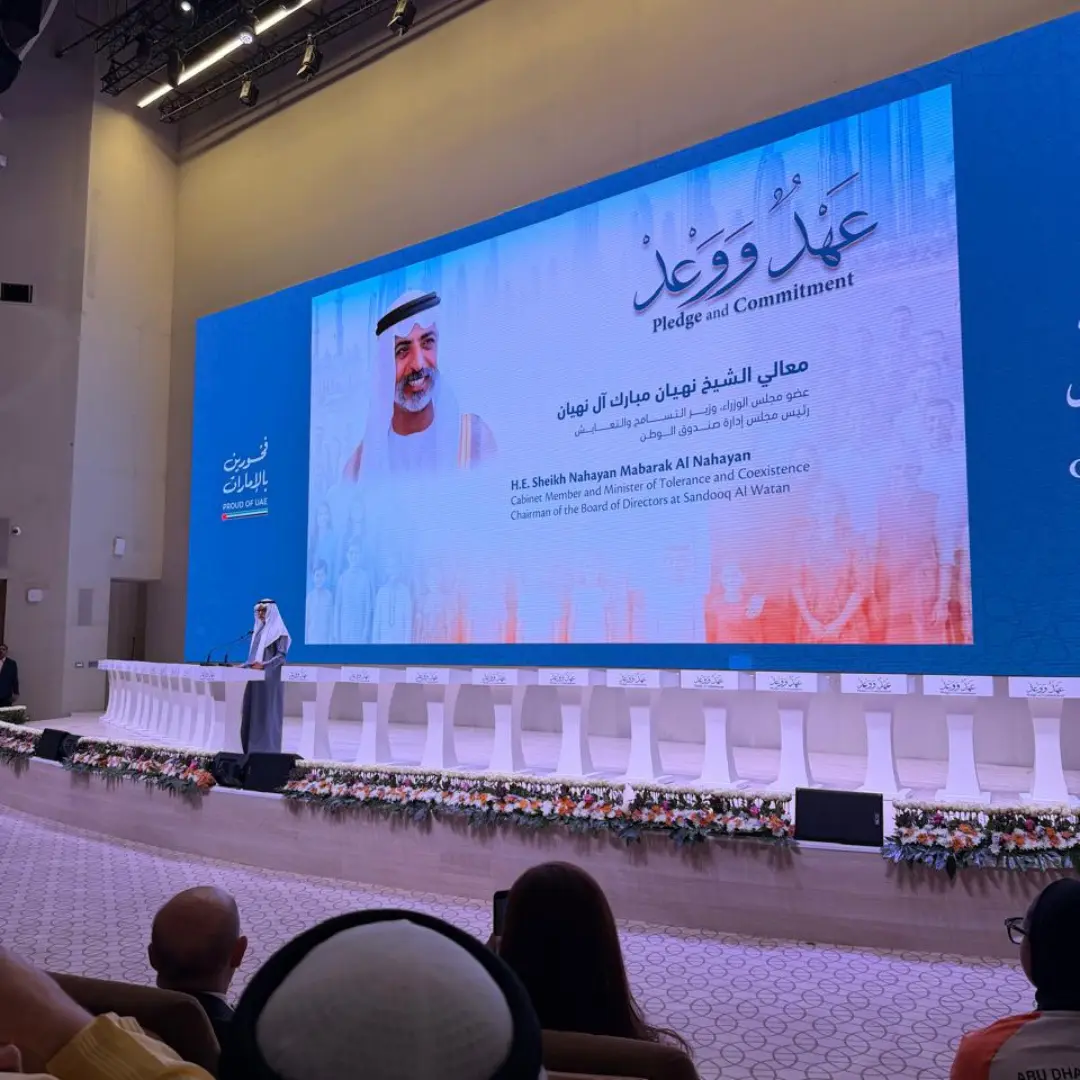
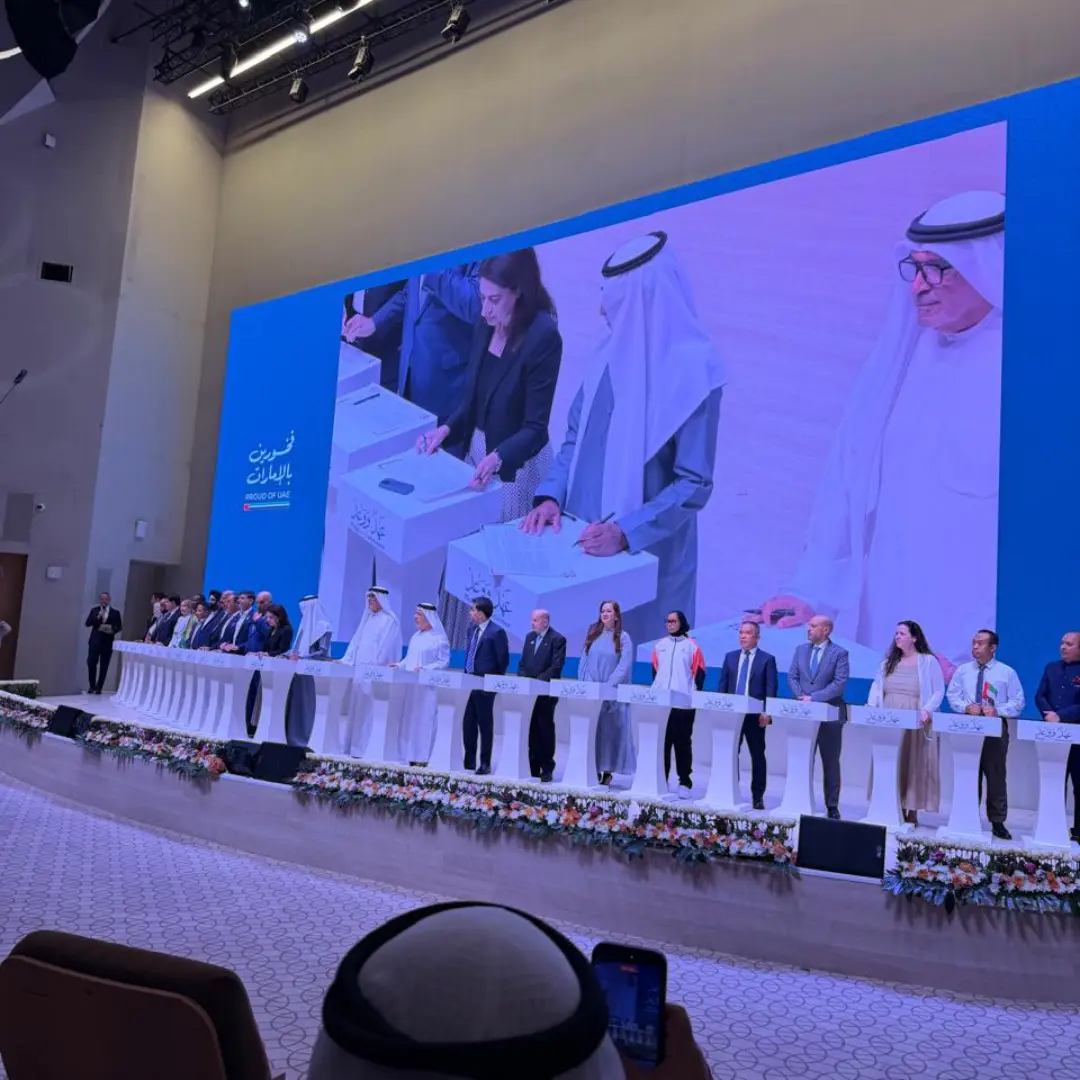
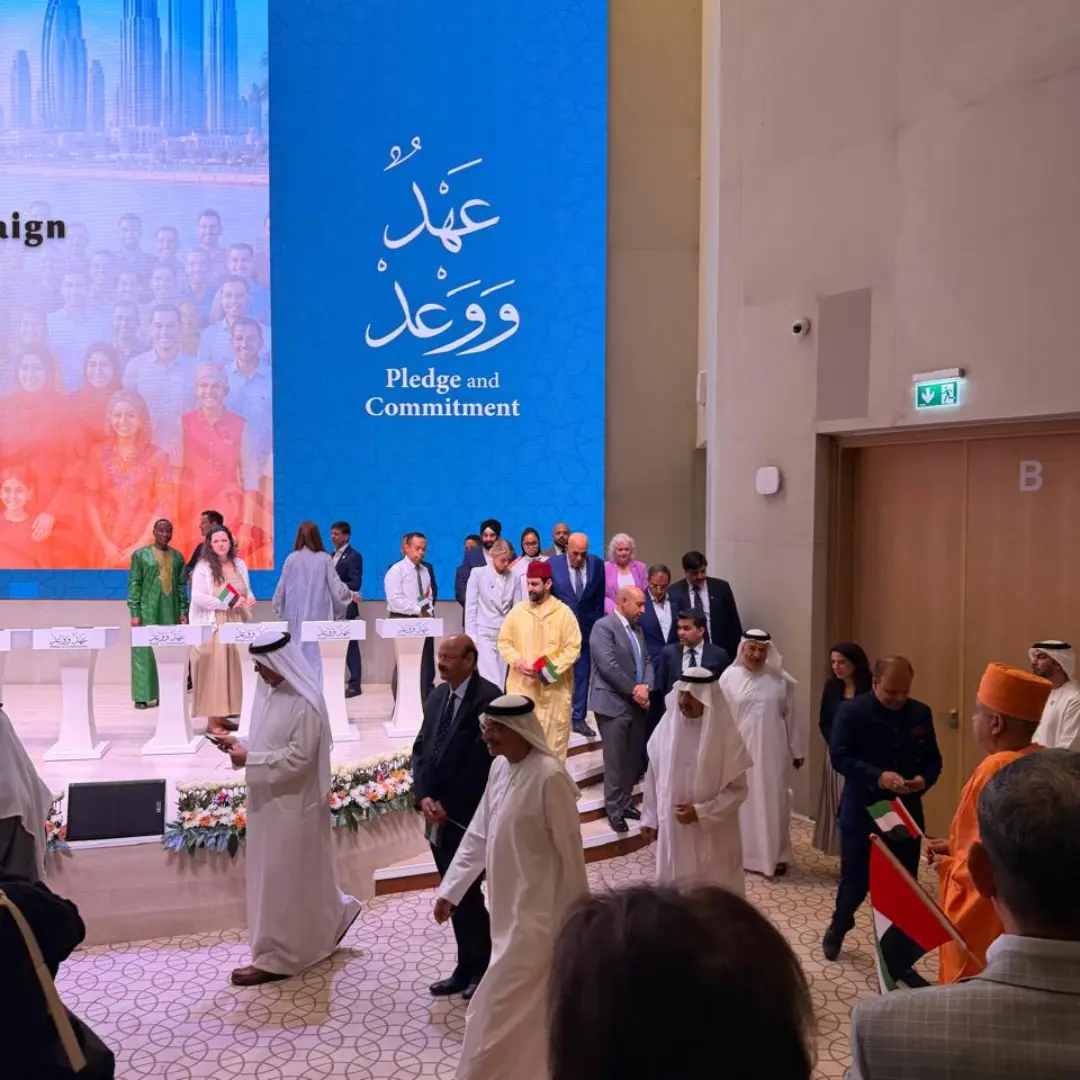
It is a state-launched national community initiative called “Pledge and Commitment.” It was announced on 18 May 2026 through state news agency WAM, and it launched on Wednesday 20 May 2026, in Abu Dhabi, under the office of His Excellency Sheikh Nahyan bin Mubarak Al Nahyan, the UAE’s Minister of Tolerance and Coexistence.
That ministry is the first of its kind anywhere in the world. There is no equivalent in London. None in Washington. None in Berlin. None in Paris.
Read that line slowly, because this is the kind of detail Western business consistently misses about the Gulf — and the kind that costs deals.
What “Pledge and Commitment” actually is
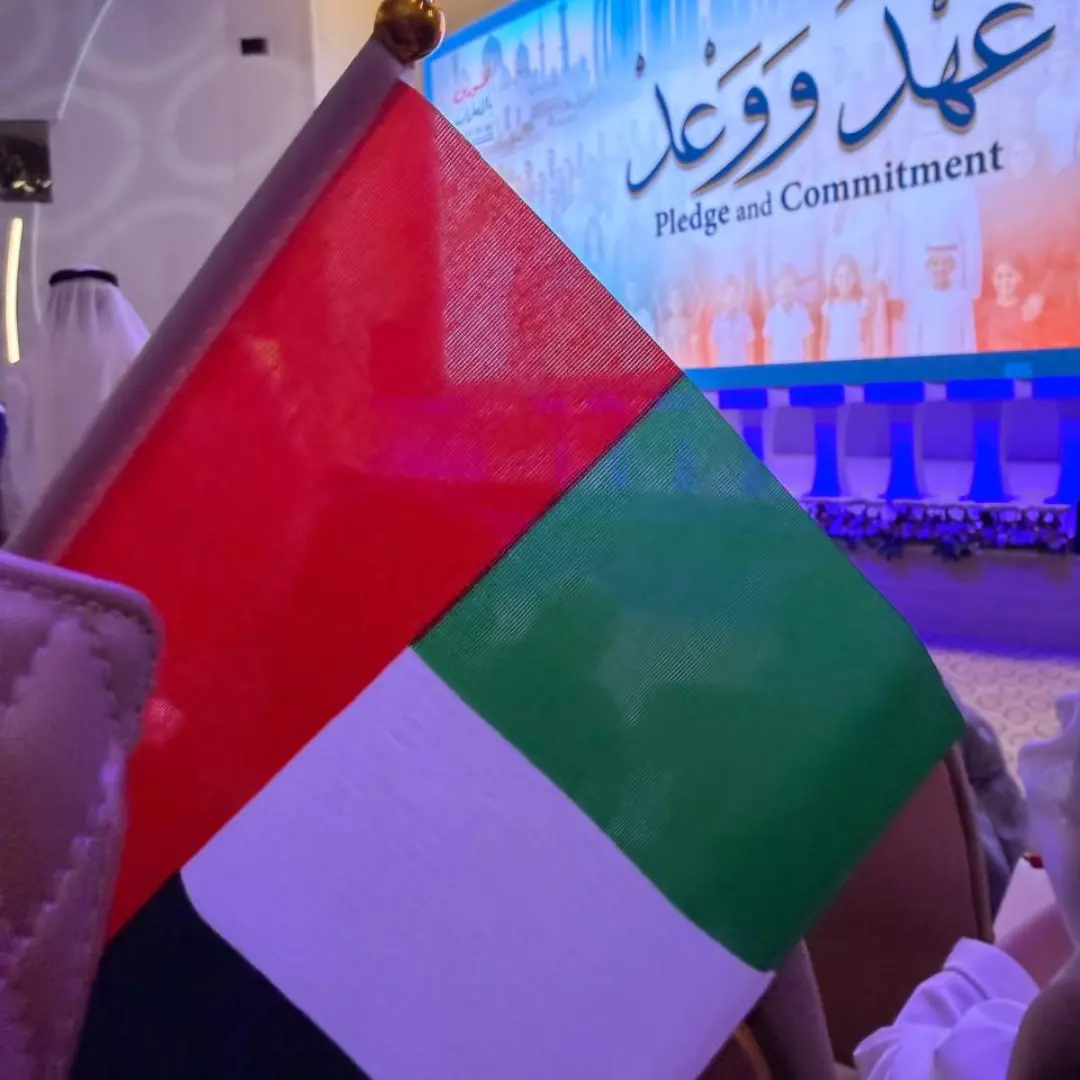
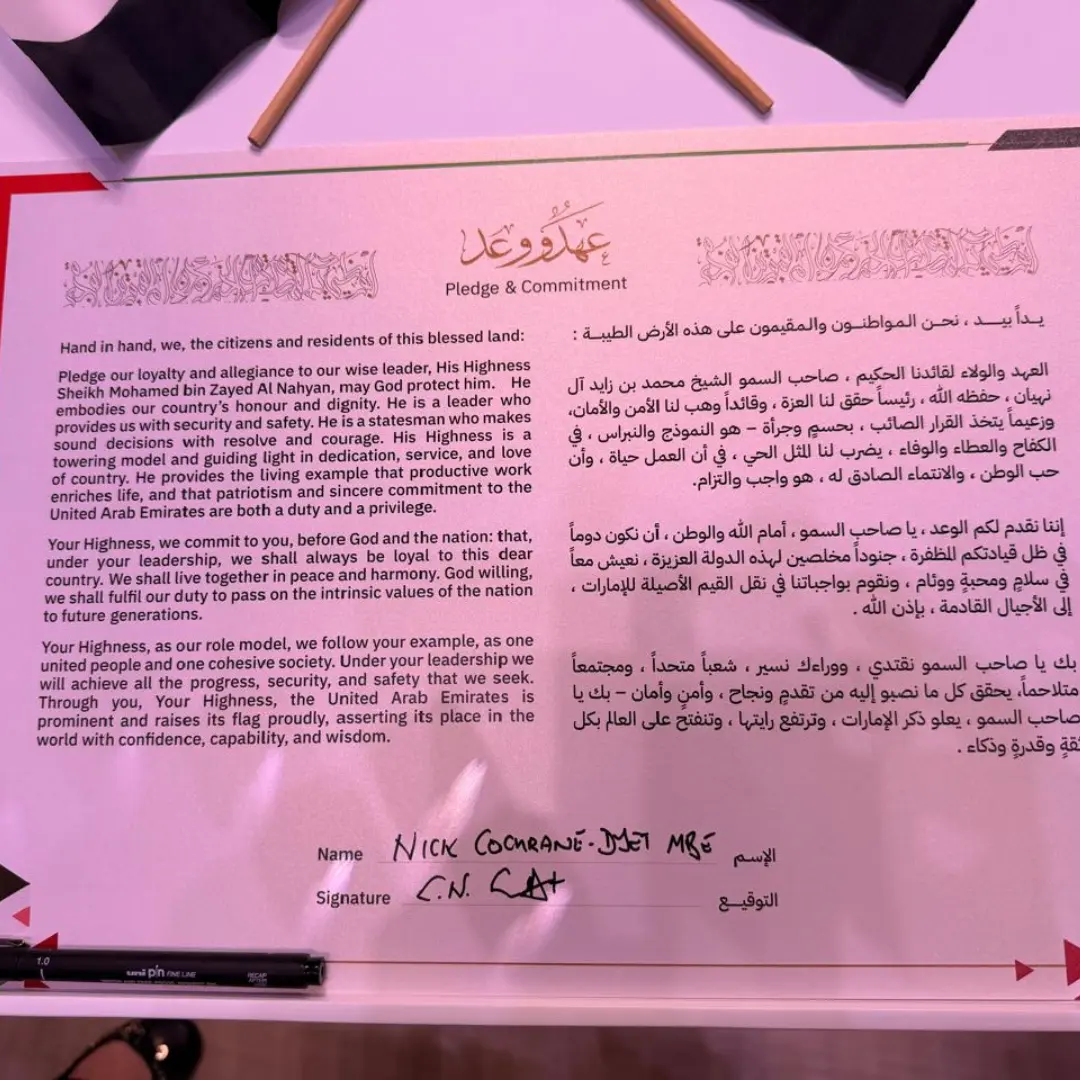
The initiative invites citizens AND residents to publicly express loyalty to the UAE leadership and reaffirm their sense of belonging to the country.
In most Western frameworks, a national loyalty pledge is a citizenship ceremony. You take it when you become a national. It is reserved for the people who already belong, on paper.
The UAE is doing the opposite.
The UAE is inviting roughly 10 million people who do NOT hold its passport — every nationality of expat living in the country, every Indian engineer, every British headteacher, every Filipina nurse, every Pakistani driver, every German fund manager — to express formal belonging to a nation that is not, in the technical sense, theirs.
And why would you not pledge your allegiance to a country that has treated everyone so well?
So therefore, in significant numbers, they will. (even the kids do).
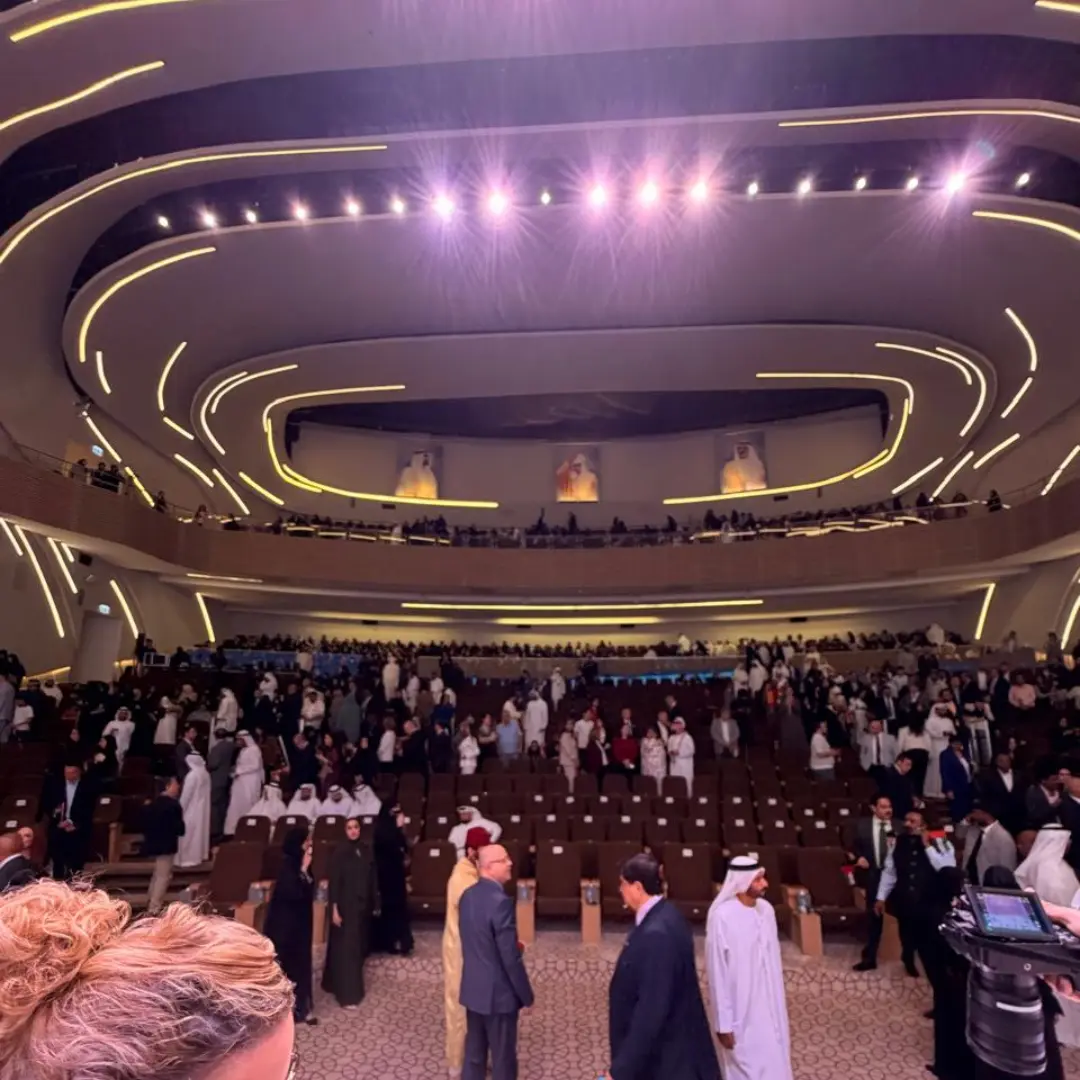
The initiative had its first through an official launch event in Abu Dhabi, a digital platform for electronic signing, multimedia campaigns across television and radio, awareness sessions for students, interactive installations in shopping malls and public parks, volunteer participation teams, and a live digital counter tracking participation across the country.
That is not the architecture of a slogan. That is the architecture of a national programme.
The infrastructure of tolerance, not the slogan of it
Western audiences tend to register “tolerance” as a soft, decorative value. A line in the brochure. A diversity statement on a careers page. A speech at the staff away-day.
That is not how the UAE has built it.
The UAE has a Ministry of Tolerance and Coexistence. The minister, His Excellency Sheikh Nahyan bin Mubarak Al Nahyan, is a senior member of the ruling Al Nahyan family. The ministry has a strategy, a budget, an annual programme of initiatives, and partnerships with global organisations.
The UAE built the Abrahamic Family House on Saadiyat Island in Abu Dhabi — a Mosque, a Church and a Synagogue on a single site — to commemorate the historic 2019 visit of Pope Francis and Grand Imam Ahmad Al Tayeb of Al Azhar. This is what real tolerance looks like. You can read more about the Abrahamic Family House here.
His Highness Sheikh Mohammed bin Rashid Al Maktoum, Vice President and Ruler of Dubai, granted 25,400 square feet of land, free of charge, to build the region’s largest Gurudwara — the Guru Nanak Darbar Sikh temple in Dubai.
This is not a slogan. This is national infrastructure.
The UAE hosts over 200 nationalities. They live, work, marry, raise children and bury their dead inside a state-led coexistence project that has been running, deliberately and explicitly, since the founding of the country in 1971. Today, the state is asking those 200 nationalities whether they would like to sign their name to it.
What this tells Western business about the Gulf
Here is what you need to understand if you do business with the UAE.
The senior Emirati executive sitting across from you has spent her career inside the most multinational professional environment on earth. Her team is 200 nationalities. Her department speaks twelve languages. Her closest colleague at work has a different religion to hers. Her landlord has a different religion again. Her child’s classroom looks like a small United Nations.
When she evaluates your firm on “diversity and inclusion,” she is not running a Western HR-compliance checklist.
She is comparing your firm to her national operating context. Your DEI (Diversity, Equity and Inclusion) page is not going to move her.
The American firm that flies in with a slide about its 14% women on the board and its “commitment to inclusive culture” is presenting a smaller, paler version of what she sees on her commute to work every morning.
She is too polite to say so.
What she is looking for is something else: a working understanding, on your part, of what coexistence actually requires. Patience. Specificity. The discipline of treating other cultures as architecturally different rather than decoratively different. The capacity to operate alongside people whose family structures, religious calendars, language, food, prayer rhythms and gender dynamics are not yours — and to do it without making it about you.
That is what she does every day. That is what the UAE’s state apparatus has been building for fifty-five years. That is what “Pledge and Commitment” codifies.
The cost of misreading this
The Western executive who reads about Gulf coexistence — when she reads about it at all — tends to filter it through suspicion. Performative. PR. Soft power-as-marketing.
That filter costs you.
It costs you because your Emirati counterparts have noticed the filter. They have noticed which Western firms treat Gulf coexistence as a real institutional achievement and which ones treat it as a slogan to be politely tolerated.
They give business to the first group. They do not give business to the second.
And — this is the part that frustrates the executives I work with most — they will not tell you which group you are in.
You will not get the lecture. You will not get the briefing. You will not get the constructive feedback meeting. You will get a polite delay on your next ask. Then another. Then a redirection of the relationship to your London competitor, who somehow seems to have moved ahead in the conversation.
And misreading rooms in the Gulf is expensive.
What to do with this
Three things.
First — when you sit across from an Emirati principal, understand that she is operating inside a state that has built coexistence as architecture, not as messaging. Your firm’s diversity efforts are being benchmarked against something far more ambitious than your closest Western competitor. Adjust your posture accordingly.
Second — do not lecture. Do not “enlighten.” Do not bring slides explaining cultural sensitivity to people whose government has had a Ministry of Tolerance and Coexistence for ten years. That is not the relationship she will tolerate from you, even if she is too gracious to correct it.
Third — get the cultural intelligence right BEFORE the meeting. Not after. Not in the post-mortem. Not in the apology email. Before.
If you have a UAE relationship at stake
If you have UAE clients you do not want to lose, or you are walking into your first GCC meeting in the next 90 days, that is the conversation to have now. You need to know what is happening and this is why you need the Intelligence from the Gulf Desk.
Frequently asked questions
What is the UAE’s “Pledge and Commitment” initiative?
“Pledge and Commitment” is a national community initiative launched on 20 May 2026 in Abu Dhabi by Sheikh Nahyan bin Mubarak Al Nahyan, the UAE’s Minister of Tolerance and Coexistence. It invites both citizens and residents of the UAE to publicly express loyalty to the country’s leadership and reaffirm their sense of belonging to the nation. The initiative is being rolled out through an official launch event, a digital platform for electronic signing, integrated media campaigns, awareness sessions for students, interactive installations in shopping malls and public parks, and a live digital counter tracking participation across the country.
Who is Sheikh Nahyan bin Mubarak Al Nahyan?
His Excellency Sheikh Nahyan bin Mubarak Al Nahyan is the UAE’s Minister of Tolerance and Coexistence. He is a senior member of the ruling Al Nahyan family of Abu Dhabi and has held cabinet-level positions in the UAE for decades, including responsibility for higher education and culture. He has been the Minister of Tolerance — a portfolio later expanded to Tolerance and Coexistence — since the ministry was established in 2016. The UAE was the first country in the world to create a ministry of this kind.
Why does the UAE have a Ministry of Tolerance and Coexistence?
The UAE established the Ministry of Tolerance in 2016 to formalise what its leadership describes as a foundational national value: the peaceful coexistence of more than 200 nationalities living and working in the country. The ministry’s remit includes national programmes, interfaith initiatives, public education campaigns and partnerships with global organisations. It remains the first and, at the time of writing, only ministry of its kind in the world.
Why does this matter for Western businesses operating in the UAE?
Because the value system your Emirati counterparts operate inside is not the value system most Western firms imagine. Coexistence in the UAE is not a corporate slogan or an HR programme. It is state infrastructure — backed by a ministry, a minister, a national agenda and physical landmarks like the Abrahamic Family House in Abu Dhabi. When you pitch your firm’s diversity credentials to a senior Emirati principal, you are pitching to someone who lives inside the most multinational professional environment in the world. A standard Western DEI deck will not impress her. Genuine cultural intelligence about what distinguishes your firm — and how to operate respectfully inside her context — will.
What is the Abrahamic Family House?
The Abrahamic Family House is a complex on Saadiyat Island in Abu Dhabi housing a mosque, a church and a synagogue on the same site. It was opened in 2023 to commemorate the historic 2019 visit of Pope Francis and Grand Imam Ahmad Al Tayeb of Al Azhar to the UAE, and the signing of the Document on Human Fraternity. It is one of the most visible physical demonstrations of the UAE’s coexistence policy and a site Western executives are encouraged to visit before doing significant business in the country. Find our blog post here.
How should a Western business prepare for working with UAE clients?
Start with a 1:1 call. We map your specific situation — which sector, which clients, which emirate, which counterparts — and identify the right level of engagement. That might be a one-off cultural briefing before a key meeting, a bespoke training programme for a deal team, an advisory retainer for ongoing accounts, or a structured Gulf cultural onboarding programme for senior hires. The conversation is the entry point. You can book here.
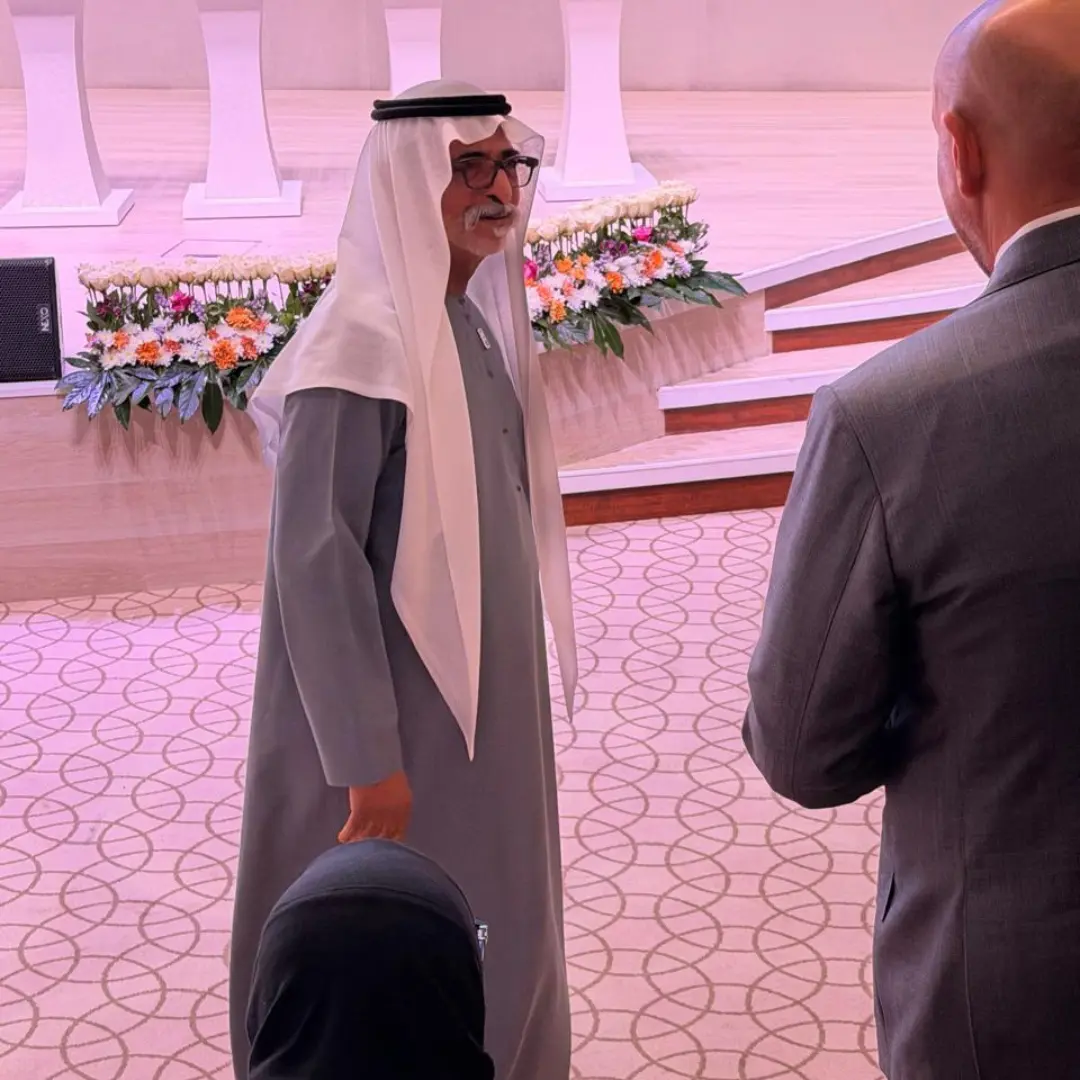
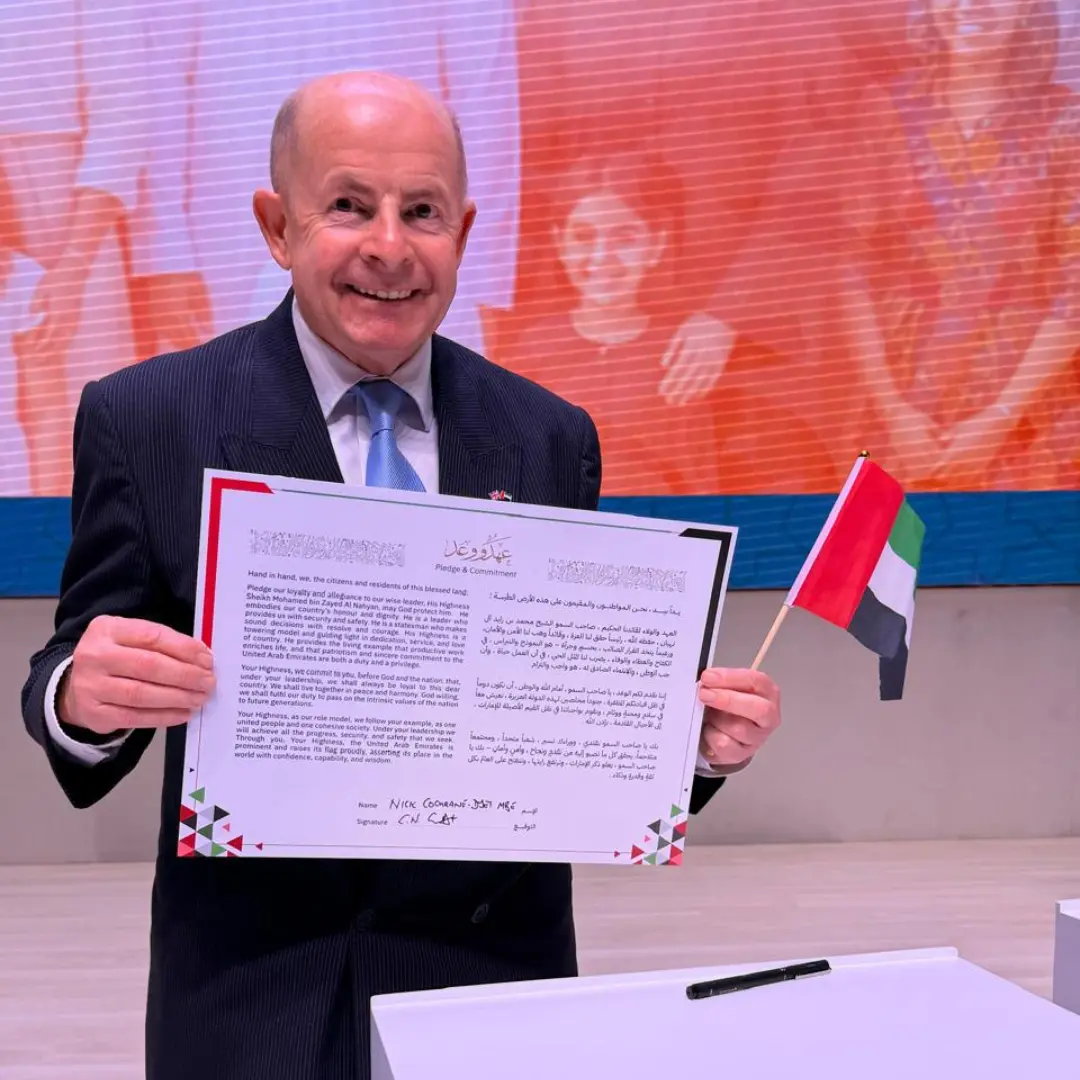
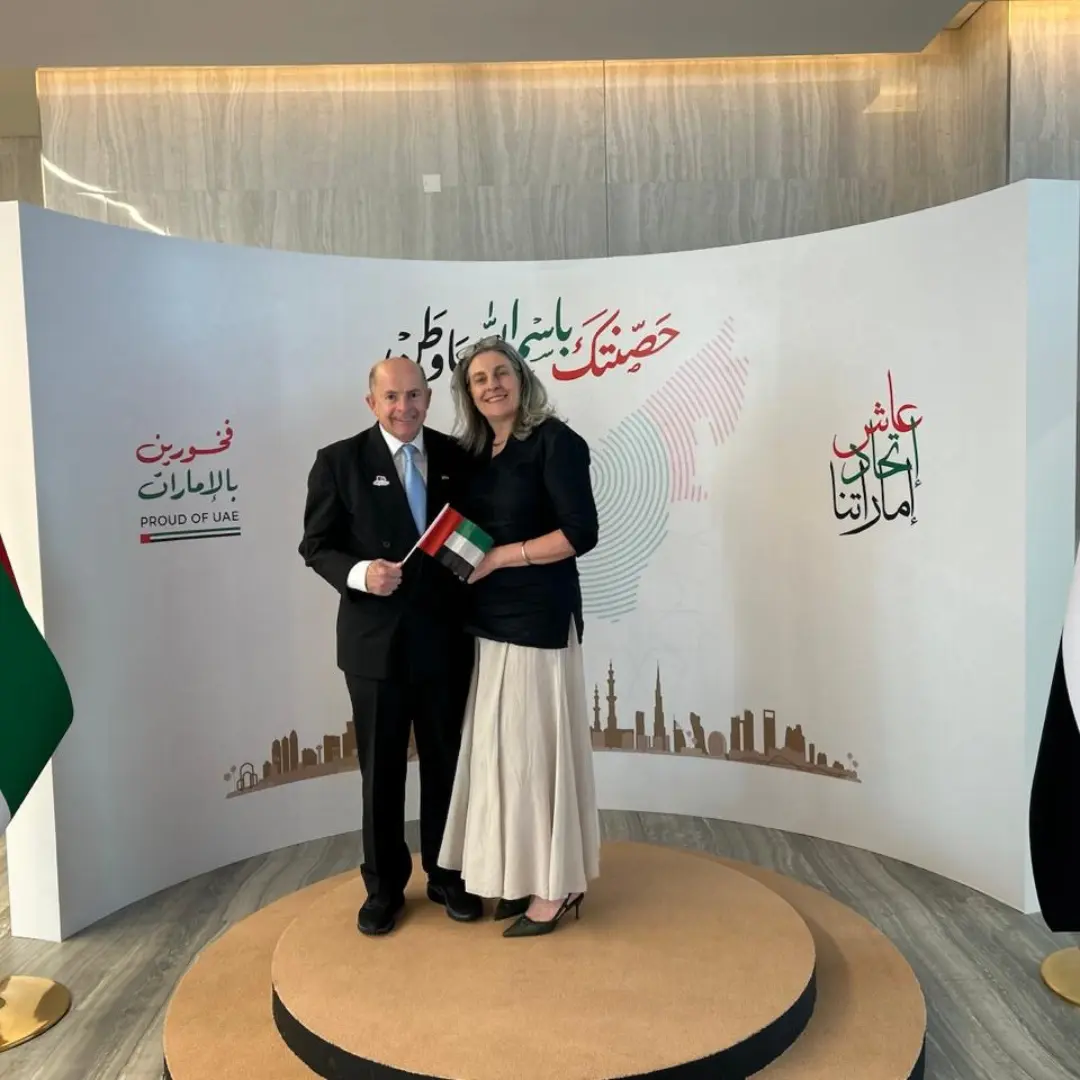
A huge thank you to our friends Nick Cochrane-Dyet MBE and Jody Atkins for all the great photos from the event and their pledge to the UAE.

Corina is a Middle East Strategist and Founder of Star-CaT. Over the past 20 years, she's helped thousands of clients overcome their anxieties and misconceptions about the Gulf region, and take advantage of the incredible opportunities available to them.

Related Posts

This Post Has 0 Comments