Sheikh Hamad bin Khalifa Al Thani: The Legacy Behind Qatar
For four days, Qatar stopped.
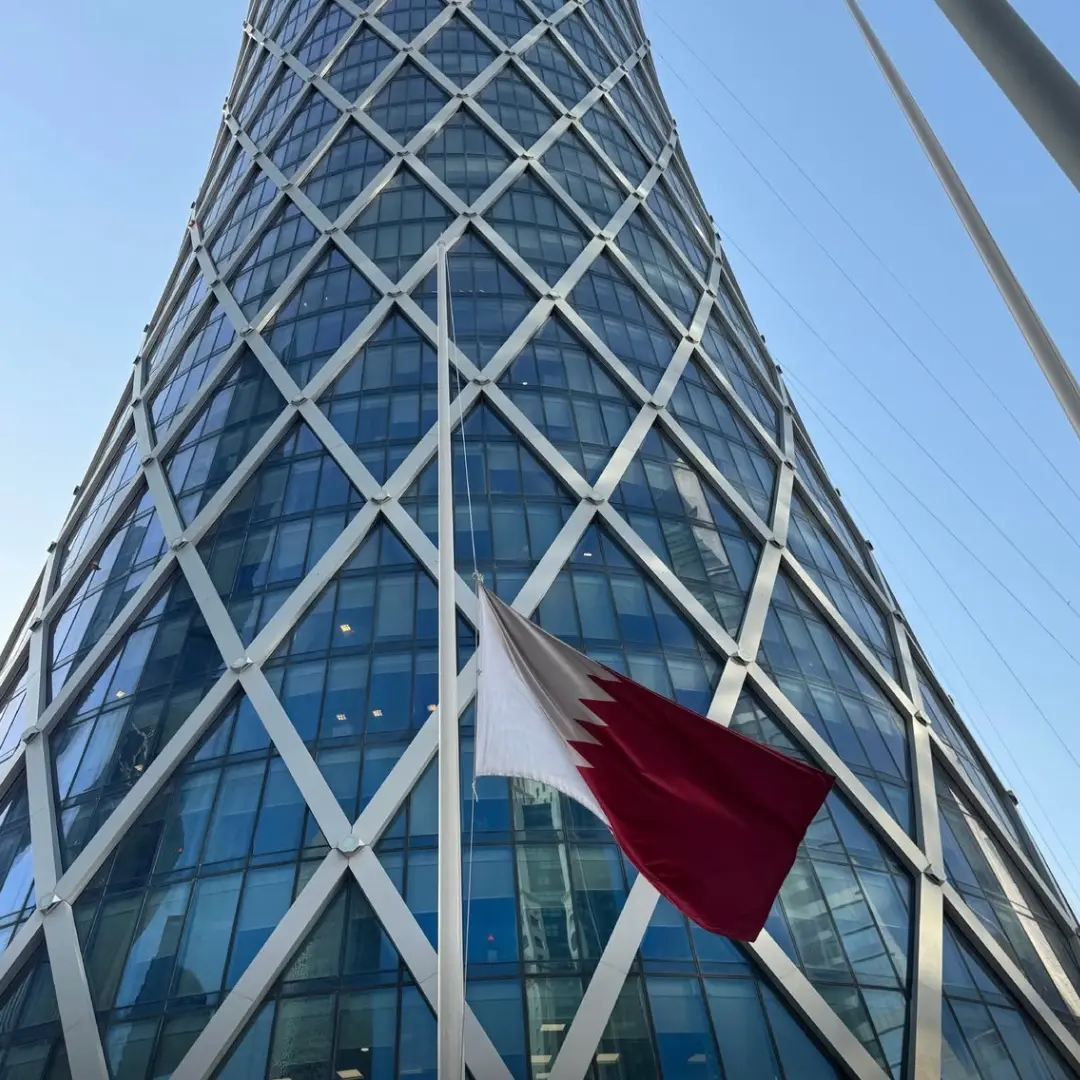
Flags at half-mast. Ministries closed. A country of nearly three million people pausing together — not for a sitting ruler, but for a man who gave power away thirteen years ago and chose to watch his son lead.
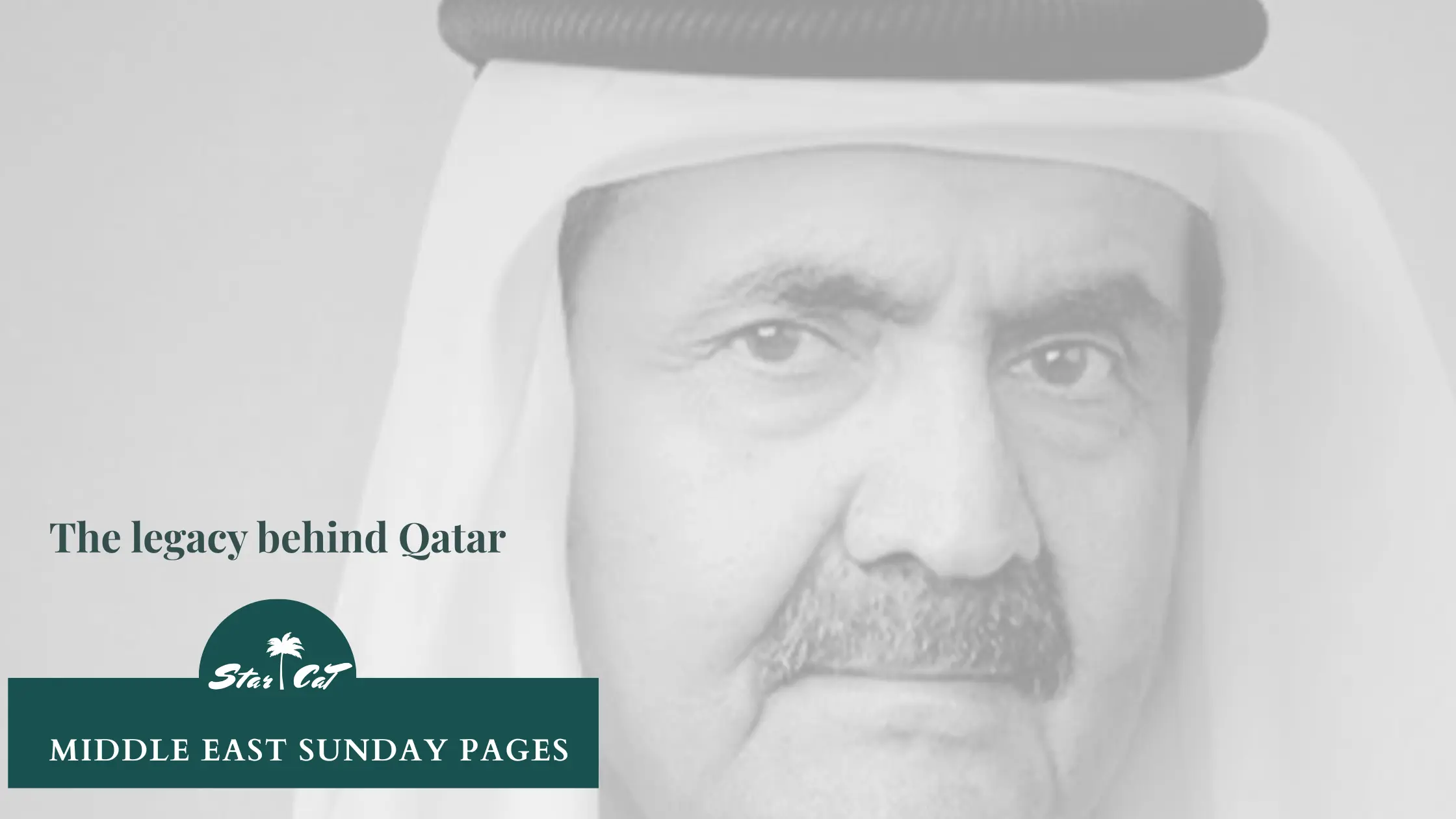
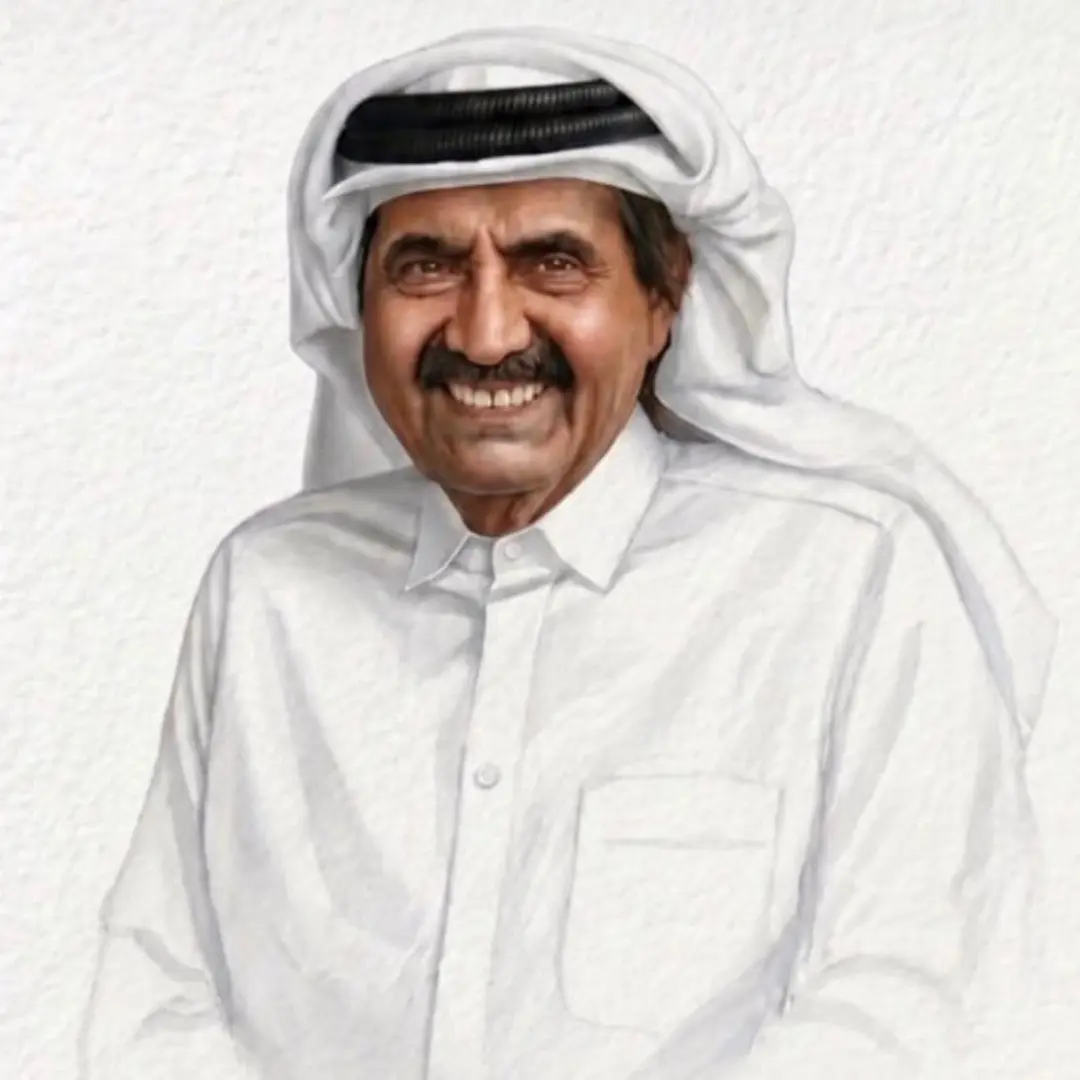
Sheikh Hamad bin Khalifa Al Thani, the Father Emir of Qatar, died on the morning of 12 July 2026, aged 74. The Amiri Diwan announced it. The funeral prayer was held that same evening, and the country entered four days of national mourning.
By the time you read this, the Western news cycle will have moved on. This is the mistake. Like I said to someone on Sunday: this is the equivalent of the Queen passing and therefore should be treated as such.
Because the man Qatar buried this week is not a footnote about gas and a World Cup. He is one of the clearest examples the modern Gulf has produced of a kind of leadership the West still struggles to recognise — the kind that plans in decades while everyone else plans in quarters. And if you do business in Qatar, or intend to, understanding what he built is not sentiment. It is due diligence.
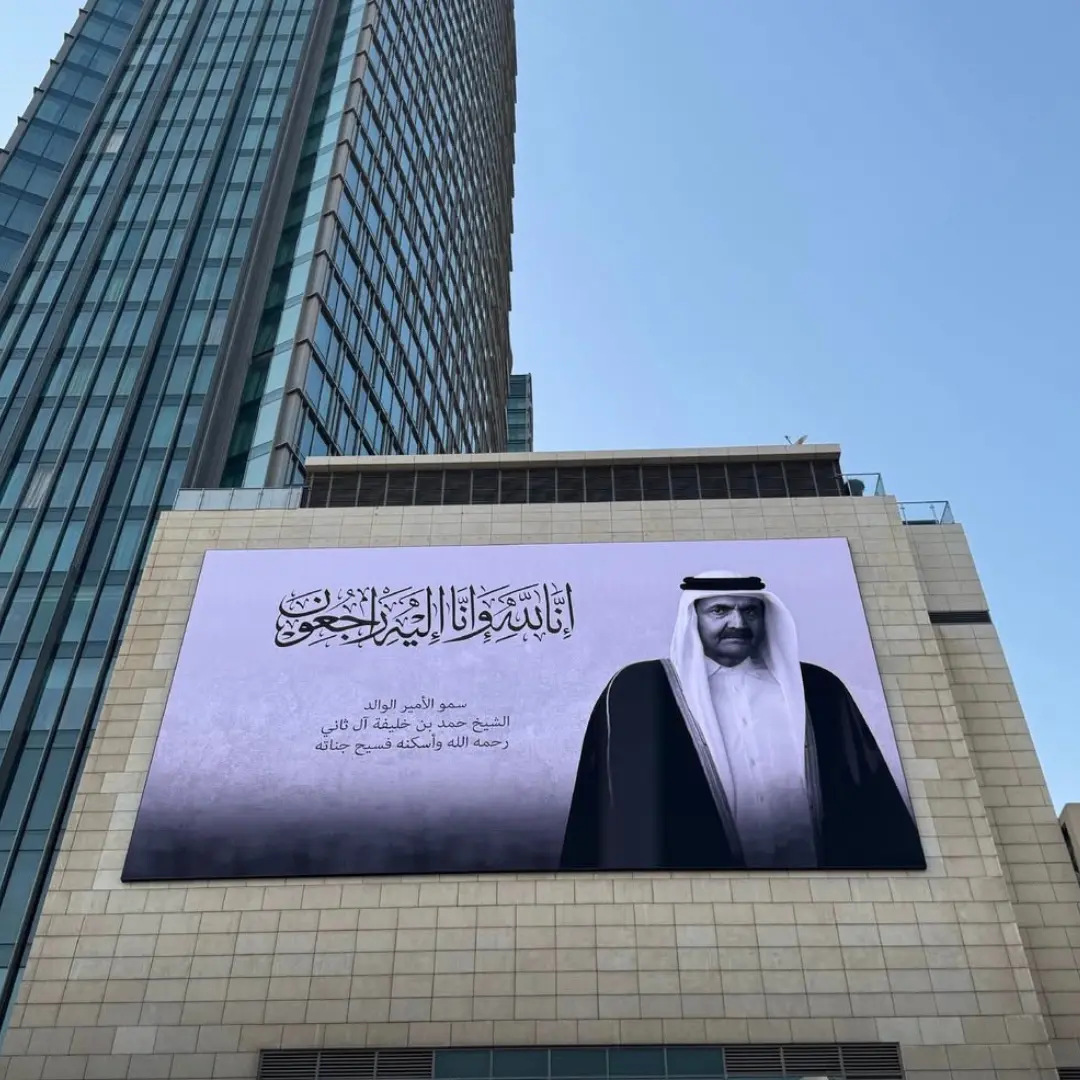
What Qatar confirmed about Sheikh Hamad’s passing
Here are the confirmed facts, as announced by Qatar’s Amiri Diwan and reported across Gulf and international media on 12 July 2026:
- Sheikh Hamad bin Khalifa Al Thani died on the morning of 12 July 2026.
- He was Emir of Qatar from 1995 to 2013, and held the title Father Emir after stepping down.
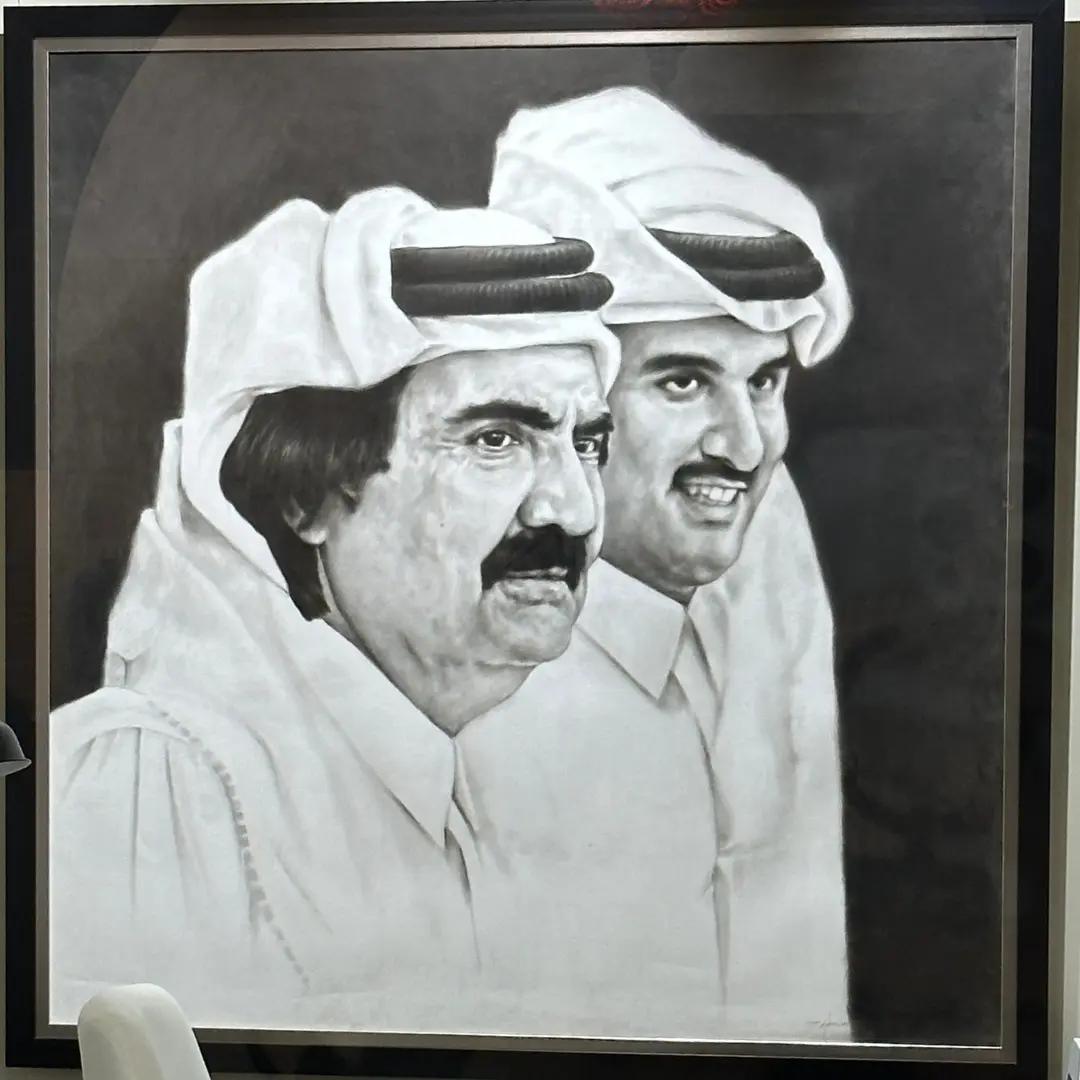
- In 2013 he voluntarily handed power to his son, Sheikh Tamim bin Hamad Al Thani, who was 33 at the time. Qatar remains led by Sheikh Tamim today.
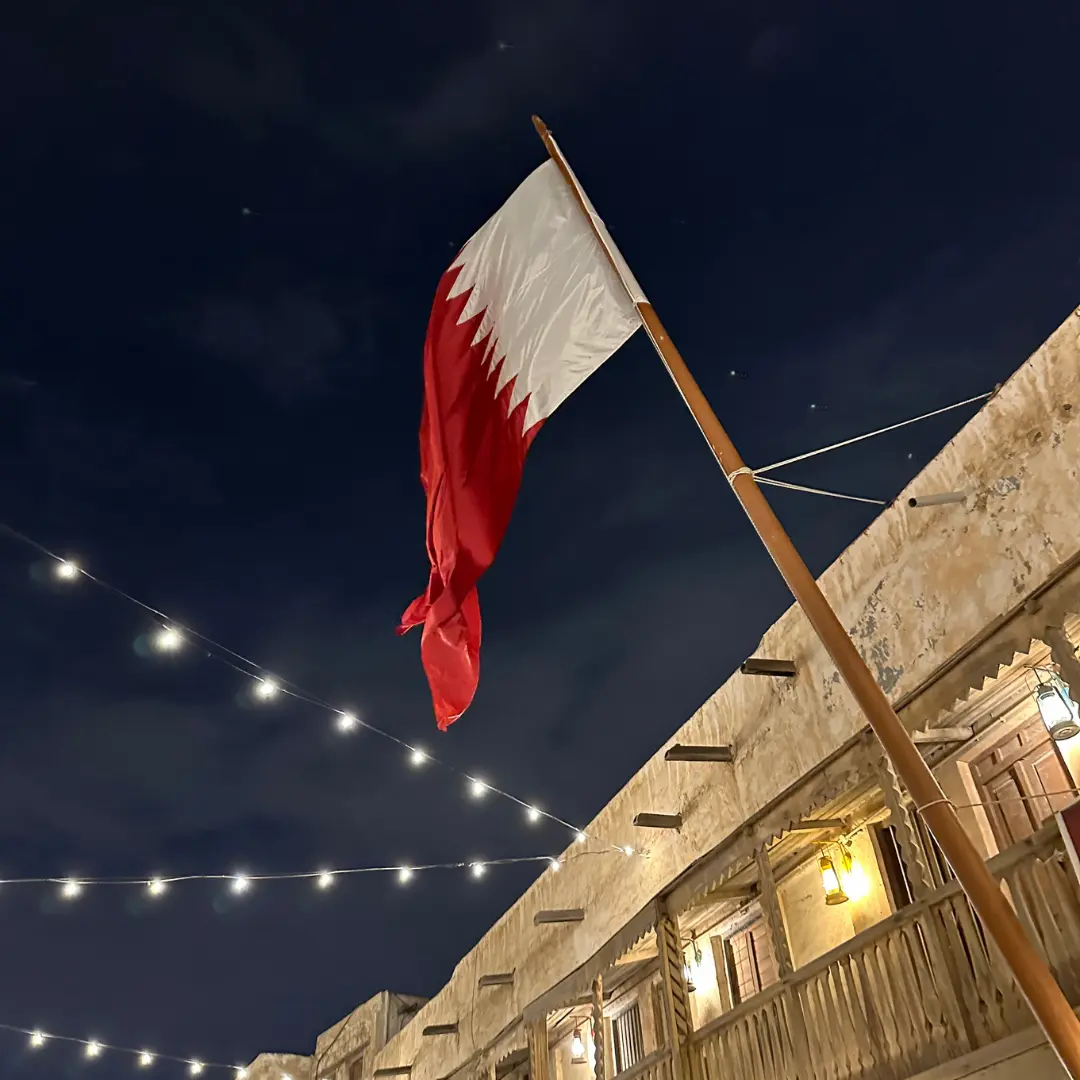
- Qatar declared four days of national mourning, with flags at half-mast nationwide. Government ministries suspended work from Monday 13 July.
- The funeral prayer was held after Maghrib prayers on 12 July.
- Several leaders of countries from around the world have flown to Doha to pay their respect.
Everything after this section is analysis. The facts above are the ones an obituary will carry. What follows is what an obituary usually leaves out.
Why did a country stop for four days for a man who gave power away?
Because in 2013, Sheikh Hamad did something Gulf rulers almost never do: he stepped down while alive, healthy, and in full command, and handed the country to the next generation on purpose.
That single decision tells you more about him than any building in Doha. Power in the region has usually changed hands through death or ill health. Hamad treated the succession itself as a design problem — something to be planned, timed, and executed while he was still strong enough to steady it. He made his son Emir at 33 and then stepped back and let him lead.
This is what I mean when I say the West misreads Gulf leadership. The story got filed under “monarch abdicates” and forgotten. The real story is a leader who understood that the hardest thing to build in any institution — a company, a country, a family business — is a clean handover. Most founders cannot do it. He did it, and then he lived to watch it hold.
When you do business in Qatar, you are dealing with a state built by someone who thought about continuity as carefully as he thought about wealth. That mindset did not leave with him. It is now the operating culture of the place.
How did Sheikh Hamad transform Qatar?
He took the money from under the ground and put it into things that would still matter when the ground ran dry. That is the whole strategy, and it is why Qatar today is not simply a rich country but an influential one.
During his reign, Qatar became one of the world’s largest exporters of liquefied natural gas — the engine of the wealth. What he did with that wealth is the part worth studying:
- He built institutions, not just towers. The Qatar Foundation and Education City brought branch campuses of global universities to Doha. His wife, Sheikha Moza bint Nasser, drove that work publicly and still does with profound impact.
- He built a global voice. Al Jazeera launched in 1996 and made a country of a few million people impossible to ignore in world media.
- He built a fund to outlast the gas. The Qatar Investment Authority, established in 2005, turned energy revenue into stakes in some of the best-known names in global business — from Harrods to hotel groups such as Maybourne.
- He built the rules. Qatar adopted its first permanent constitution in 2004, and introduced municipal elections in which women could both vote and stand.
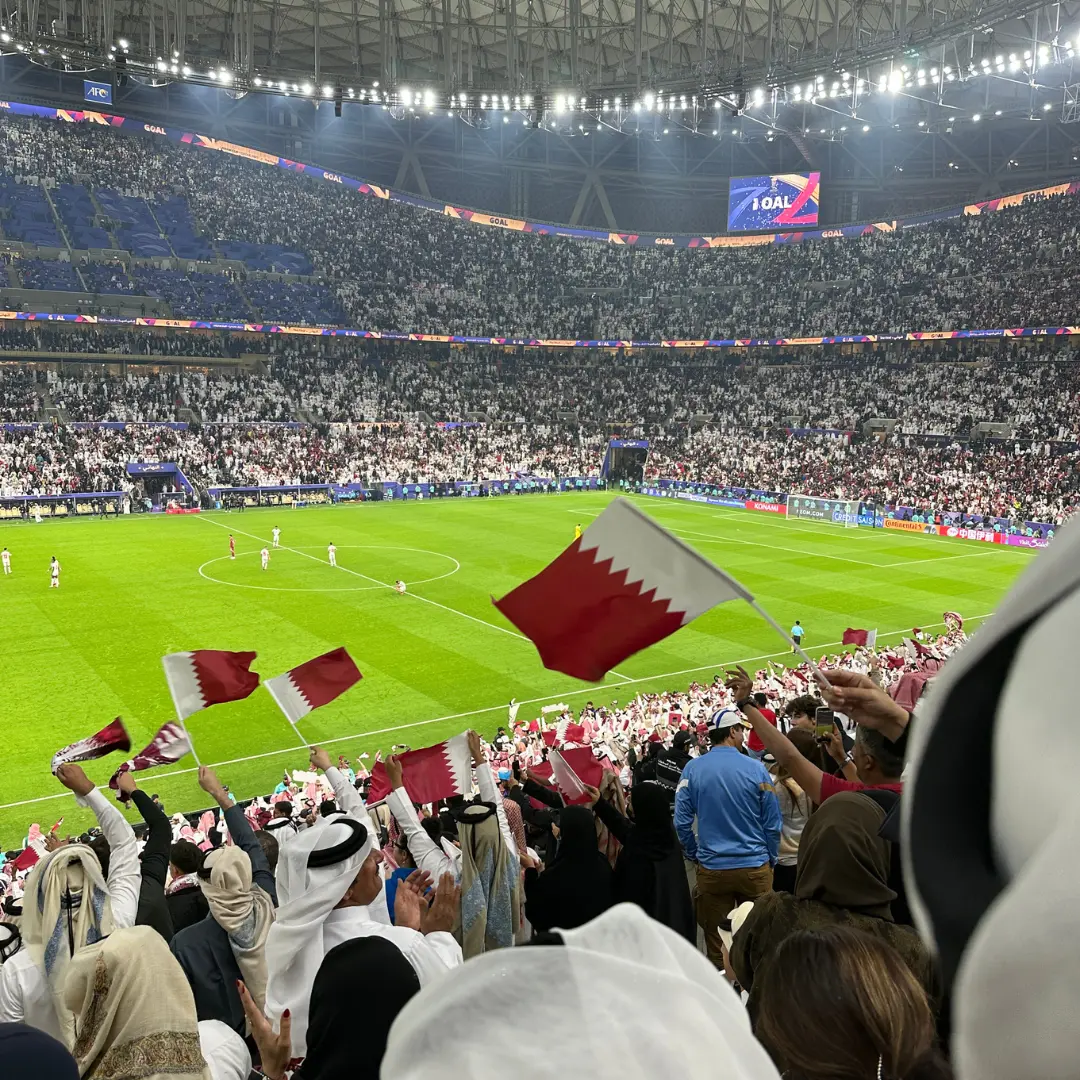
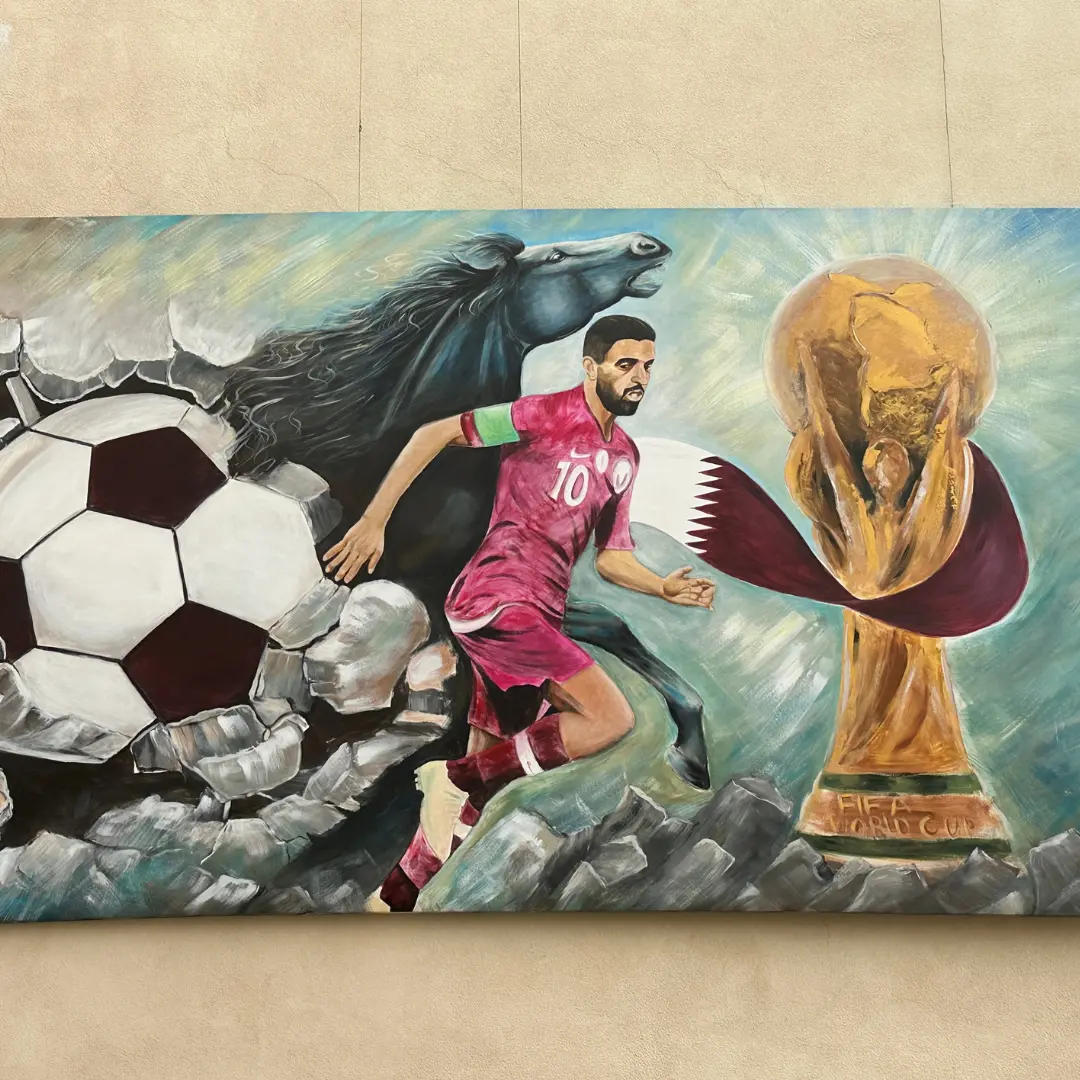
- He won the stage. The successful bid for the 2022 FIFA World Cup, awarded in 2010, put Qatar in front of the entire world.
Notice the pattern. Universities, media, a sovereign fund, a constitution, a global sporting stage. Not one of those is a bet on oil and gas lasting forever. Every one of them is a bet on Qatar mattering after the hydrocarbons are gone. He spent a finite resource buying permanent relevance. That is vision expressed as a balance sheet.
Was Sheikh Hamad on par with Sheikh Zayed?
In the sense that actually matters — building a country designed to outlast the man who built it — yes.
The West knows Sheikh Zayed bin Sultan Al Nahyan as the founding father of the United Arab Emirates, the archetype of the visionary Gulf leader who turned desert and oil into a modern federation. He died in 2004, and he is rightly held up as the standard.
Sheikh Hamad belongs in that same category, and most Western observers never placed him there. Zayed built a federation out of separate emirates. Hamad took a small, quiet peninsula and made it a name that sits in the same sentence as far larger powers. Both understood the thing that the quarterly-earnings world finds hardest to grasp: that leadership is measured in what survives you.
This is the leadership that keeps producing results across the Gulf, and that Western boardrooms keep underestimating because it does not announce itself the way they expect. It does not campaign. It does not post. It builds a university, a fund, a broadcaster, a succession — and waits.
I have spent years working with this region, and the single most expensive assumption I watch Western businesses make is that Gulf ambition is about spending. It is not. It is about time horizon. You are negotiating with people whose leaders taught them to think in decades. If you walk in thinking in quarters, you have already lost the room.
What this means for anyone doing business in Qatar
It means the country you are dealing with was built by a long-term thinker, and it still rewards long-term thinkers — which is precisely where most Western approaches go wrong.
Here is what you can do about that before your next meeting:
- Frame the decade, not the deal. Qatari institutions — the ministries, the Foundation, the investment vehicles — are built to think in generations. Walk in with a ten-year story about what you build together, not a twelve-month sales target. The long frame is the one that lands.
- Read the calendar before you book the flight. This week, business in Qatar has stopped for four days of mourning. That is not an inconvenience to route around — it is the culture showing you exactly what it values. Knowing the national and religious calendar, and respecting it without being asked, is the difference between a partner and a nuisance. Reading the region’s calendar correctly is not something you can outsource to a search engine that gets the dates wrong.
- Do not assume the vision left with him. Sheikh Tamim has led Qatar since 2013. The continuity is the point. Treat the direction of the country as stable and generational, not as up for grabs.
- Match the tempo. The most common mistake I see is pitching too early. It is not that relationships do not matter — everyone knows that. It is that Western businesses misjudge the pace at which trust is built here, and push for the close before the room is ready.
- Remember where you are. Qatar is the most conservative of the Gulf states. What reads as warmth and correctness in Dubai does not automatically transfer to Doha. Prepare for the specific country, not a general idea of “the Gulf.”
Those five will genuinely move you forward. What they will not do is tell you how to read a specific room, on a specific day, with a specific counterpart — when the signals get subtle and the stakes get real. That judgement is the whole job, and it is what I built the Gulf Desk to give you.
How you respond this week tells your Qatari partners who you are
How you respond in a moment like this tells your Qatari counterparts exactly who you are. Long before any contract is signed, a national loss like this one is watched closely, and the way a foreign partner reacts is read as a straight answer to a simple question: do you actually understand this place, and do you care?
Most Westerners get this wrong without ever knowing. They go quiet because they are not sure what is appropriate. They send a stiff, templated line three days late. Or they carry on emailing about deadlines as if nothing has happened. Each of those is a message, and none of them is the one you want to send.
And speed is part of it. The morning the news broke, we sent a full strategy to a company we advise — what to say, what to do, what to hold back, and when. Not the following week. That morning. Because a response only counts while it still means something, and in the Gulf the timing of your care is part of the care.
This is exactly the work we do. If your business has exposure in Qatar and you are not certain how to respond this week — or you want that judgement behind you before the next moment like this arrives — get in touch with us.
Frequently asked questions
Who was Sheikh Hamad bin Khalifa Al Thani? Sheikh Hamad bin Khalifa Al Thani was the Emir of Qatar from 1995 to 2013 and, after stepping down, held the title Father Emir. He is widely regarded as the architect of modern Qatar, using the country’s natural gas wealth to build institutions, global media, a sovereign wealth fund, and the successful 2022 World Cup bid. He died on 12 July 2026.
When did Sheikh Hamad bin Khalifa Al Thani die? He died on the morning of 12 July 2026, as announced by Qatar’s Amiri Diwan. Qatar declared four days of national mourning, with flags flown at half-mast and government ministries suspending work from Monday 13 July.
Why is Sheikh Hamad called the Father Emir? He is called the Father Emir because in 2013 he voluntarily handed power to his son, Sheikh Tamim bin Hamad Al Thani, rather than ruling until death. Stepping down while healthy and in full command is rare among Gulf rulers, and the title reflects his role as the father of both the current Emir and modern Qatar.
How did Sheikh Hamad transform Qatar? He converted Qatar’s liquefied natural gas revenue into lasting assets: the Qatar Foundation and Education City, the Al Jazeera media network, the Qatar Investment Authority, the country’s first permanent constitution in 2004, and the 2022 FIFA World Cup. His strategy was to spend a finite resource on permanent global relevance.
What does Sheikh Hamad’s legacy mean for Western businesses in Qatar? It means you are dealing with a state built by a long-horizon thinker that still rewards long-horizon partners. Western firms that arrive with a short-term, transactional approach tend to misjudge both the pace and the priorities of Qatari institutions. Framing a decade-long relationship, respecting the national calendar, and preparing for Qatar specifically — not the Gulf in general — matters more here than almost anywhere.
How should a Western company respond during Qatar’s national mourning? Pause non-urgent and promotional business, and acknowledge the loss quickly and sincerely rather than days later. During the four days of national mourning for Sheikh Hamad bin Khalifa Al Thani, ministries suspended work and flags flew at half-mast. For a foreign partner, how you respond — and how fast — is read as a signal of whether you understand Qatar and genuinely care.

Corina is a Middle East Strategist and Founder of Star-CaT. Over the past 20 years, she's helped thousands of clients overcome their anxieties and misconceptions about the Gulf region, and take advantage of the incredible opportunities available to them.

Related Posts


This Post Has 0 Comments