
How Saudia Airlines Turned 1.5kg of Baggage Into the Smartest Marketing Campaign of 2026
Inside ‘Let It Fly’ — and what it reveals about Saudi marketing that Western brands keep underestimating.
A woman is standing at the check-in counter at King Khalid International, watching the agent put her suitcase on the scale. The bag is over the limit. She knew it would be. She has spent four days in Riyadh and AlUla, and her bag is now full of things she did not plan to buy when she landed. A small ceramic bowl from a souk she had never heard of three days ago. A leather travel case stamped with the carved-door geometry of Najd. A bisht her host gave her at the end of the visit. A sand-cast brass tray. None of it commercial. All of it expensive in weight, if not in money.
She is bracing for the excess baggage charge.
The agent looks at the bag. Then at the row of small green stickers on the side, arranged like a quiet column of weight. He smiles. “You bought from local artisans. Some of this weight is on us.”
This is “Let It Fly.” Launched by Saudia in January 2026 with Publicis. And it is the most quietly intelligent piece of tourism marketing the Gulf has produced this year.
Here is how it works, in plain numbers.
Tourists buying from participating cultural stores in Saudi Arabia receive one collectible sticker for every SAR 50 (about £10) they spend. Each sticker carries an extra 0.5kg of baggage allowance, capped at 1.5kg per bag.
The stickers are not generic merchandise. They have been designed by Craig and Karl, Raphaëlle Macaron, and Nada Sultan — a deliberate mix of international and Saudi visual voices, each one drawing a different aspect of the Kingdom’s regions, crafts and heritage. Najd doors. Madinah panoramas. Hassawi bisht. Historical Jeddah.
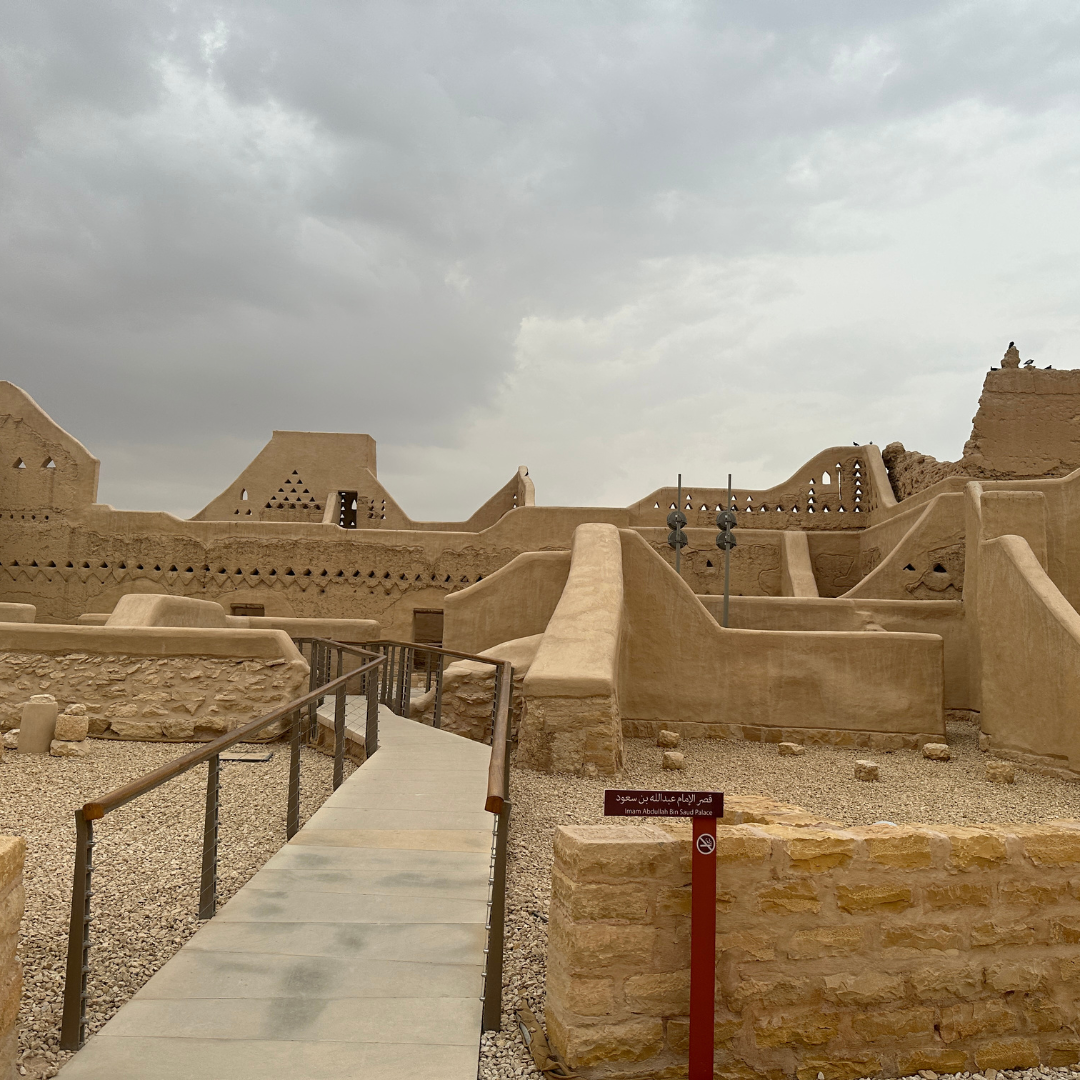
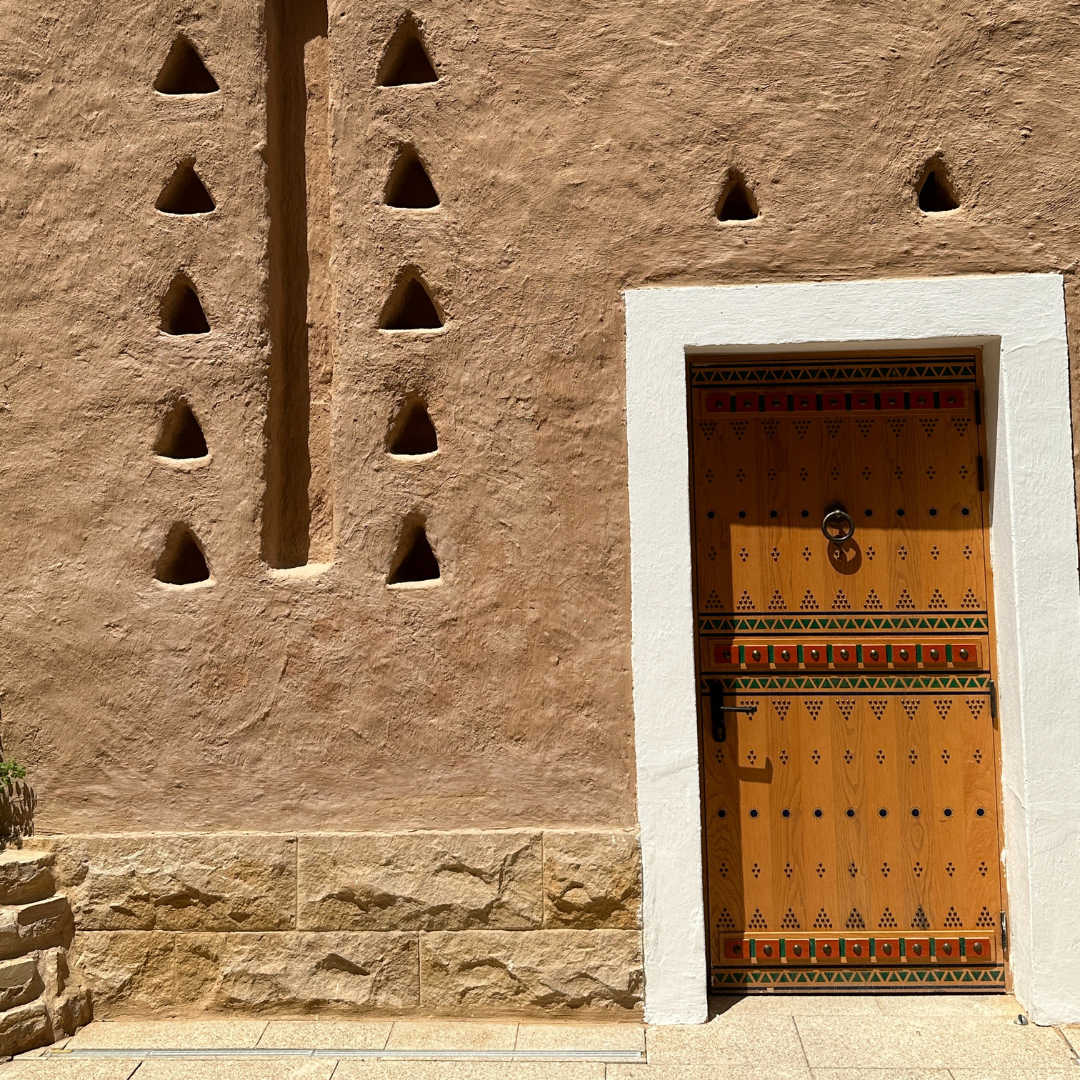
Diriyah
The mechanic is small. The implications are not.
To understand why “Let It Fly” matters, it helps to imagine what a Western airline marketing team would have built instead.
The brief lands. There is research. There is a slide called “Hero Insight.” Someone says we should reward cultural shopping. Three weeks later there is a discount code, a co-branded landing page, a press release with the words honoured to partner with, and a six-figure paid social campaign.
The airline sells more economy seats for two months. The local artisans never appear in the campaign. The tourists do not post about it because there is nothing post-worthy in their hand. The press release is forgotten in twelve days.
This is not because Western marketers are bad at their jobs. This is because the Western marketing machine is built around a different question. It asks: how do we get people to spend more on us? Saudia’s team asked a different question entirely. How do we make it less painful for tourists to take real Saudi culture home?
Those two questions look similar in a brief. They are not the same question. And the second one produces work the first one cannot.
Once you see the work clearly, the layers of intelligence in it stack up fast.
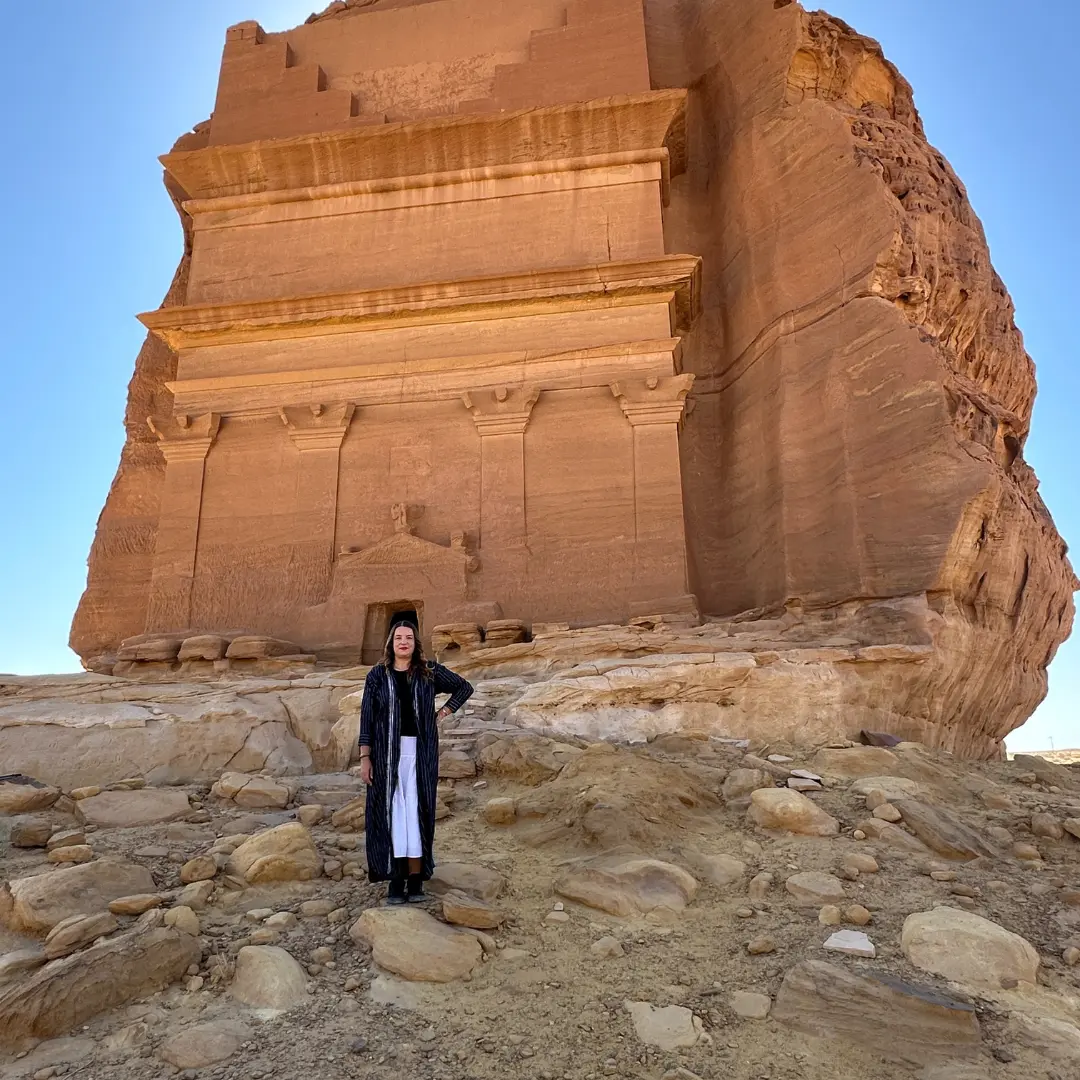
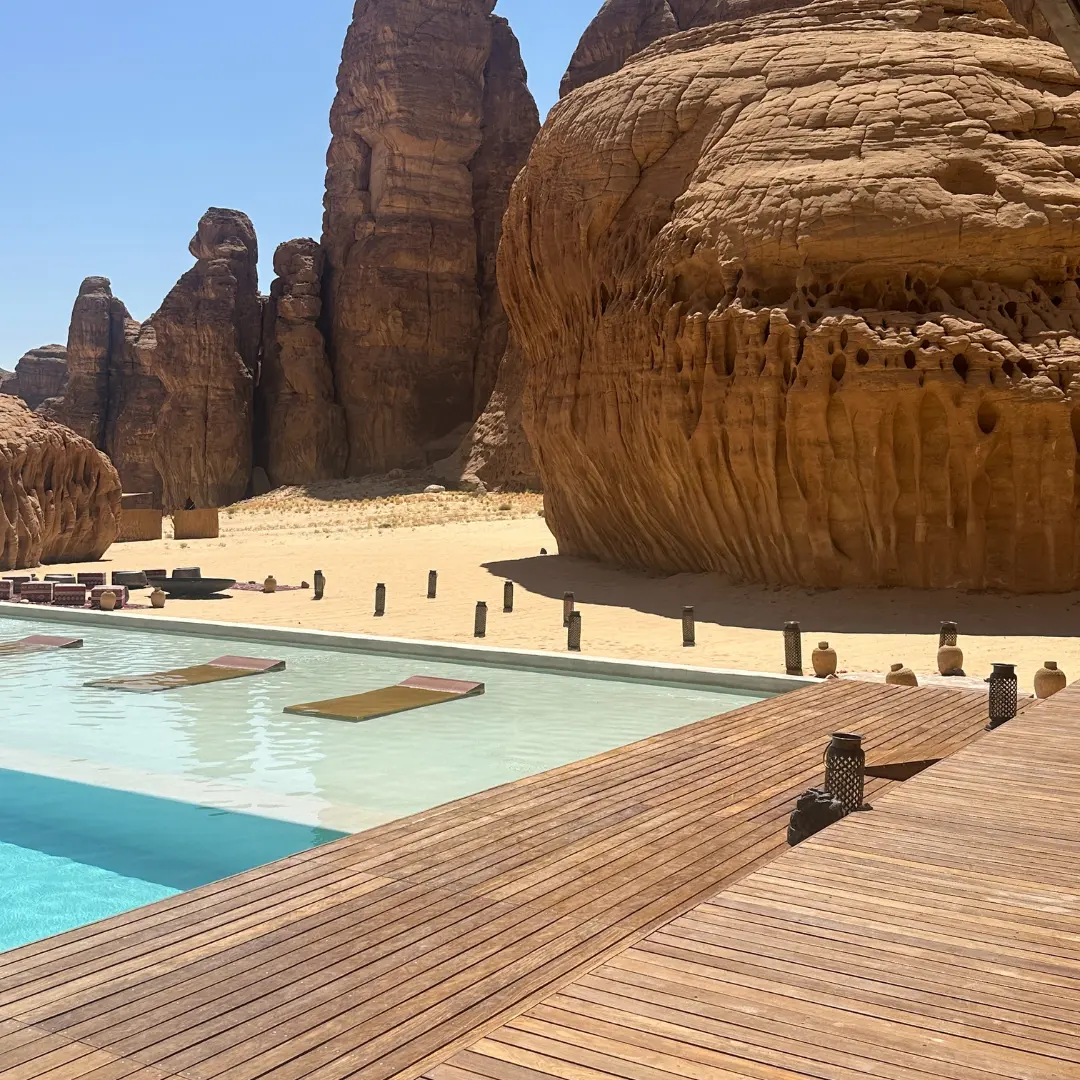
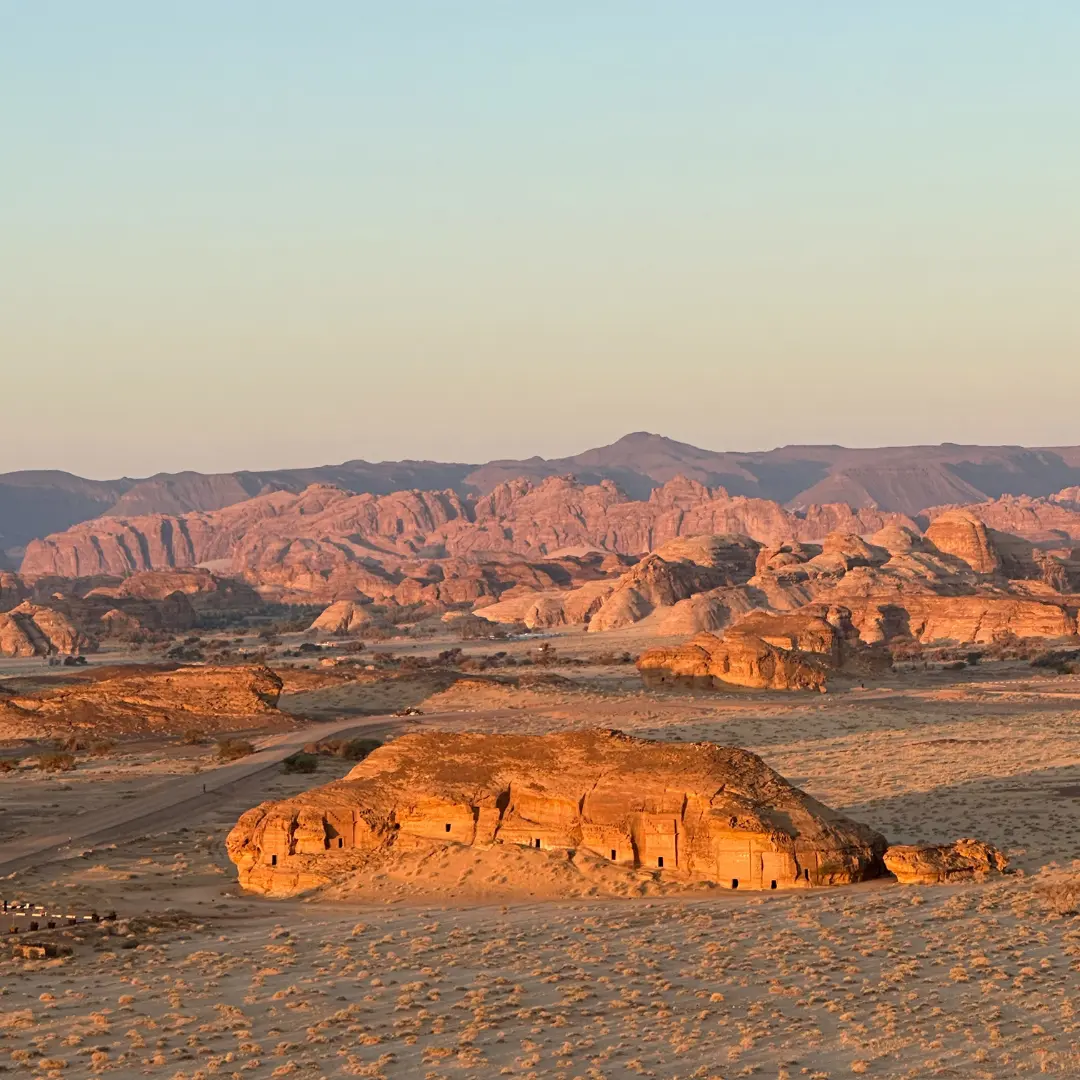
AlUla
Why is it so genius?
It solves a real friction. Tourists who shop seriously in the Kingdom end up over-weight at the airport. Excess baggage charges punish them for engaging with the culture. The campaign cancels the punishment. Most experiential marketing solves a problem the marketer invented in a workshop. This solves a problem the customer was already living through.
The reward is the medium. Each sticker is three things at once. The receipt for a real cultural purchase. The discount on the bag. And the artwork that travels through 22 countries (and counting) on the side of someone else’s suitcase. Western marketing usually separates these into three different campaigns with three different agencies. The integration is the point.
The money goes to local artisans. Every SAR 50 spent at a participating store helps a Saudi craftsperson. The campaign does not just talk about supporting heritage. It hands you a small green sticker as the proof. Vision 2030’s local economy and tourism objectives get advanced inside the campaign mechanic itself, without anyone in the marketing copy mentioning Vision 2030 once.
The tourists become the media. A traveller posts a story captioned “taking Saudi culture with me” with a sticker of Historical Jeddah on her bag. Another posts “How cool is this?? Bravo @saudi_airlines.” This is paid media the airline never paid for. It is not a hashtag campaign. It is earned attention because the artifact is genuinely worth showing.
The handover lands at peak emotional weight. The check-in counter is the moment a tourist is most aware they are leaving a place they connected with. The sticker arrives exactly there. Most marketing tries to land at the moment of buying. This one lands at the moment of separation, which is when the customer most wants to take something home. This is psychological precision.
The campaign is quietly confident. No “Saudi Arabia is open for tourism!” hectoring. No defensive framing. No insistence that the Kingdom has changed. Just: here is a beautiful thing. Take it home. Share it if you want.
The cultural confidence is the part Western brands cannot fake. THIS is what you cannot reverse-engineer from a case study.
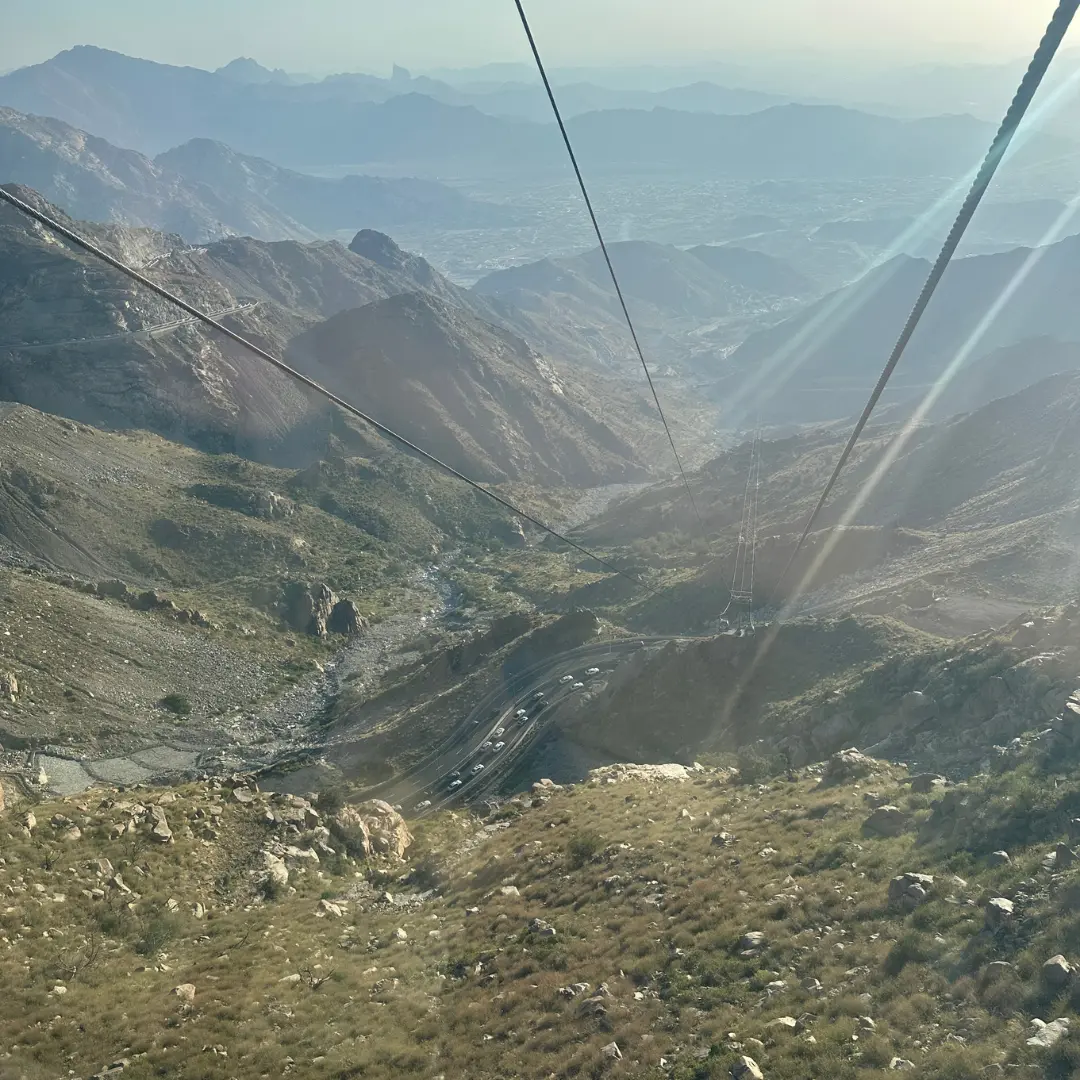
Taif
The Wider Pattern
NEOM is selling a future without a single launch event in the Western press. AlUla is hosting Andrea Bocelli and Maroon 5 in the same season. Diriyah is rebuilding a city block by block while Western think pieces ask whether Saudi Arabia really has a tourism strategy. Saudia just turned a baggage problem into a global earned-media engine.
Saudi Tourism Authority is operating at a level of cultural specificity, executional patience, and brand confidence that most Western tourism boards have not had since the late 1990s. The Western consulting decks I have read about “expanding into Saudi” still talk about the Kingdom the way decks talked about China in 2007. Generic. Cautious. Apologetic about cultural difference. Performing respect instead of demonstrating it.
Meanwhile, the Saudi work is just getting on with it. This is the gap. And the gap is widening.
What does this cost Western companies who do not understand it?
It costs them the partnership conversation. When a Saudi brand operating at the Saudia level looks across the table at a Western counterpart and sees a deck full of honoured to be considered language and stock images of skylines, the answer is increasingly going to be a very polite thank you for coming.
A few months ago I watched a Western luxury brand walk into a meeting in Riyadh with a deck that referred to Saudi as “an emerging market.” The Saudi marketing director on the other side of the table had just commissioned a campaign in Paris with an agency that, frankly, the Western brand could not afford. She sat through the deck politely. There were handshakes. The Western team left the room thinking the meeting had gone well.
They are still waiting for the follow-up call. They will be waiting forever.
This is what misreading the room costs. And it is happening in Riyadh, Doha, Abu Dhabi and London this week.
Because the bar has moved. “Let It Fly” is not the ceiling of what Saudi brands can do. This is the floor. The next ten campaigns out of Riyadh will be sharper, more specific, more confident. The Western agencies, brands and advisers who get hired to partner, distribute, design, advise, or co-create will be the ones whose own work matches that tonal floor.
This is not a creative problem. This is a cultural intelligence problem disguised as a creative one.
I have spent years working with Western businesses entering the GCC. The pattern is the same every time. The deck is fine. The strategy is fine. The relationship work is the gap. Specifically: most Western teams have not absorbed that Saudi brands are no longer the junior party in the room. Saudia is briefing everyone. AlUla is commissioning architects from Paris and Tokyo. Riyadh is opening flagship stores in Mayfair. The cultural assumption that Saudi is the audience for Western expertise — rather than the partner with growing creative authority — is the assumption getting Western teams politely shown the door.
This is not a Saudi problem. This is a Western readiness problem.
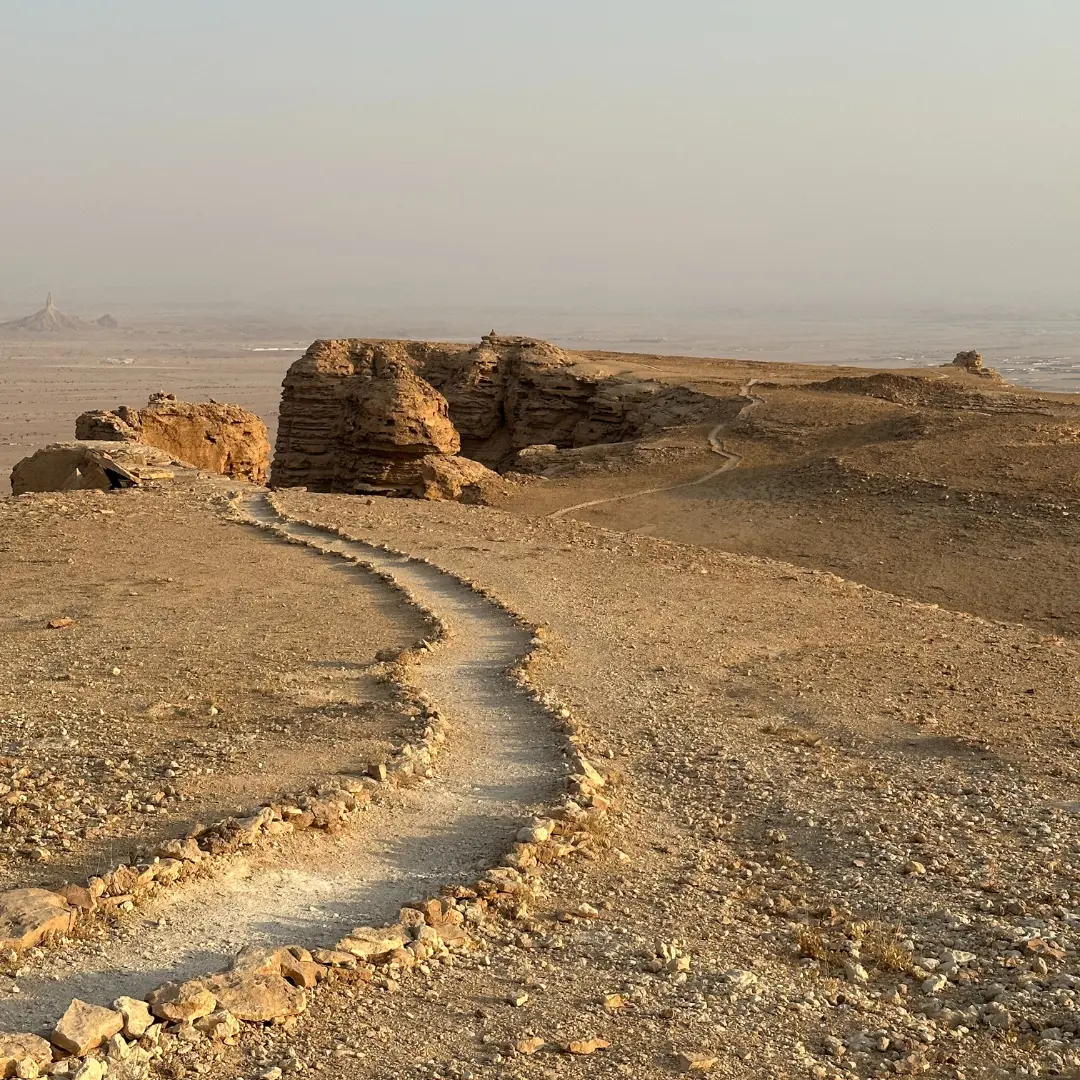
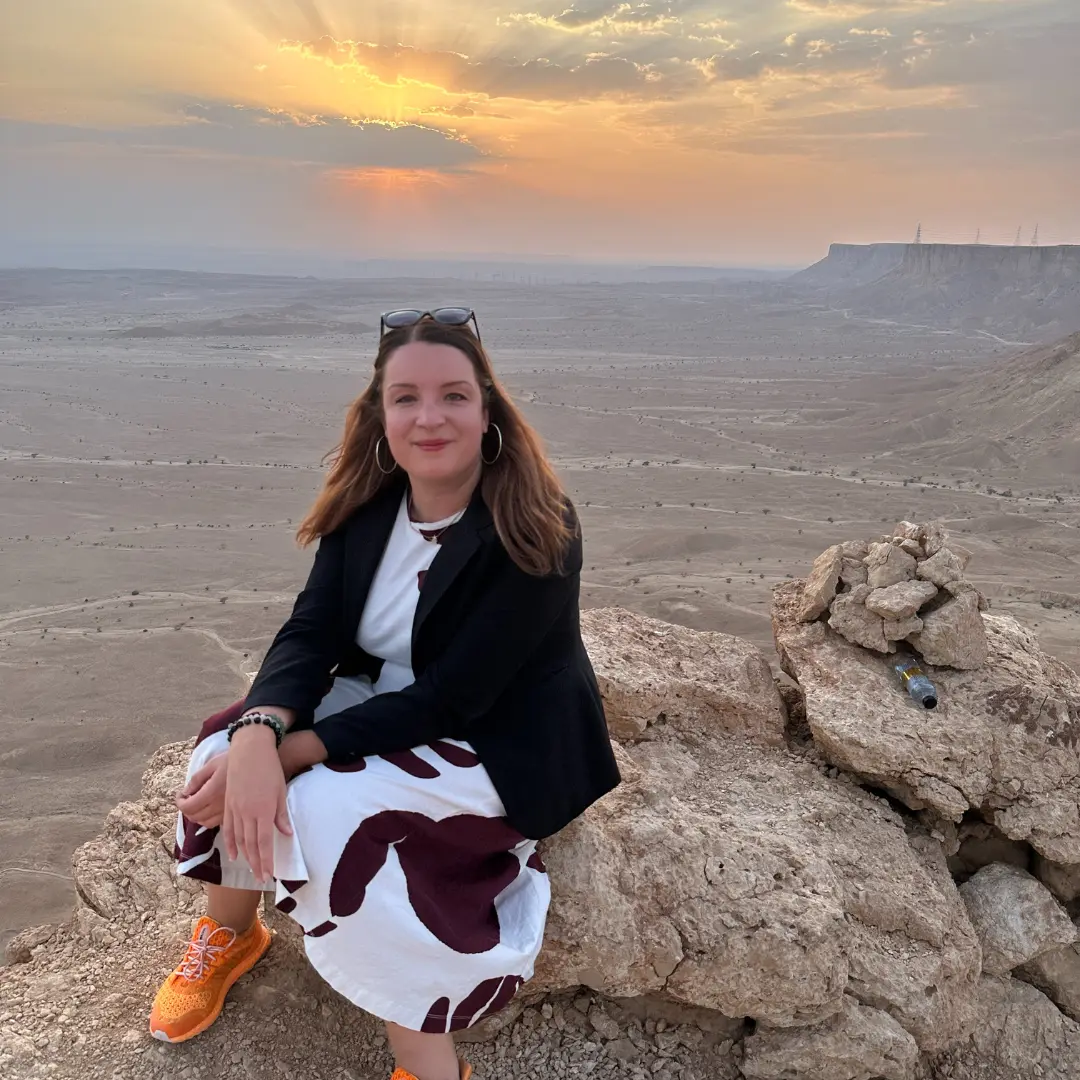
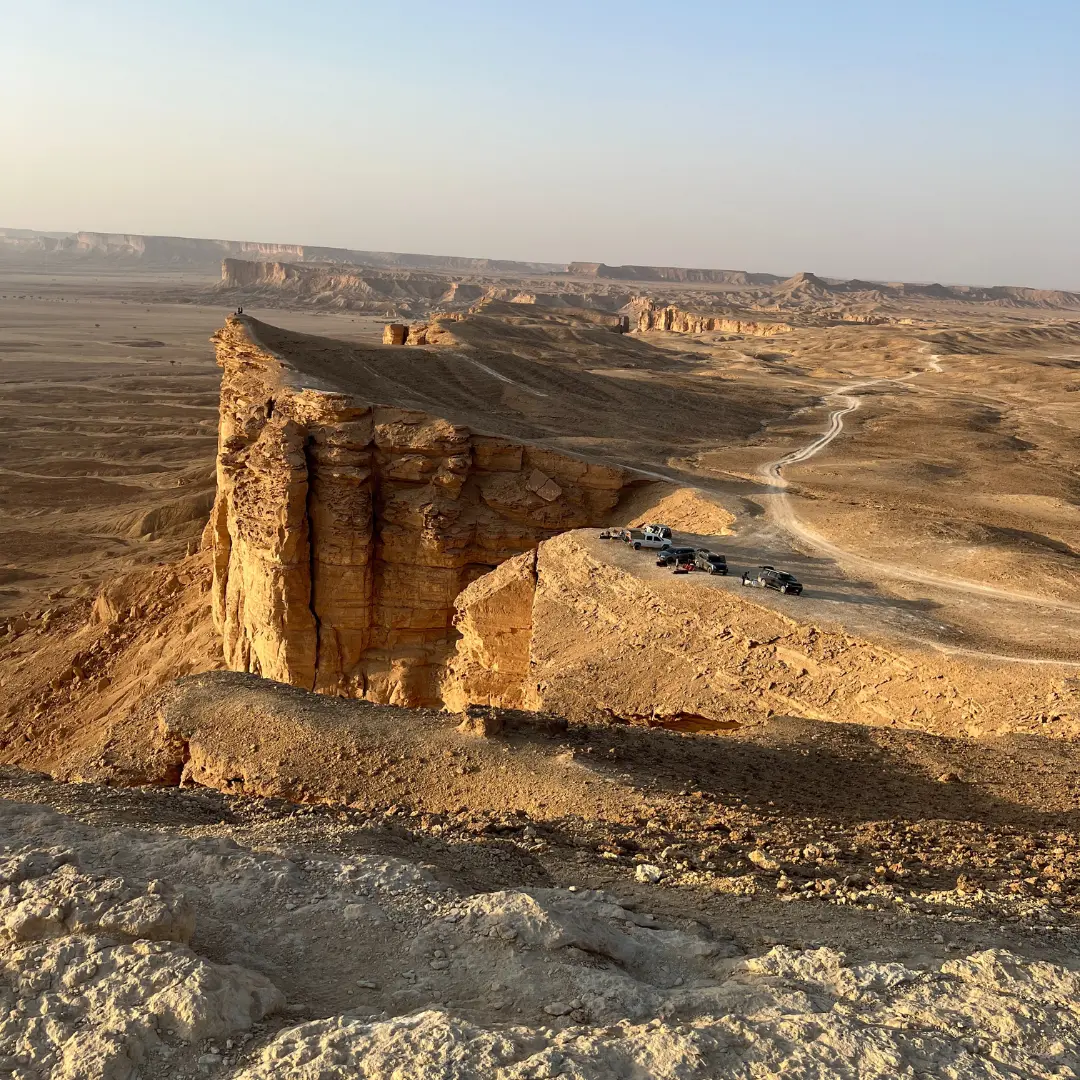
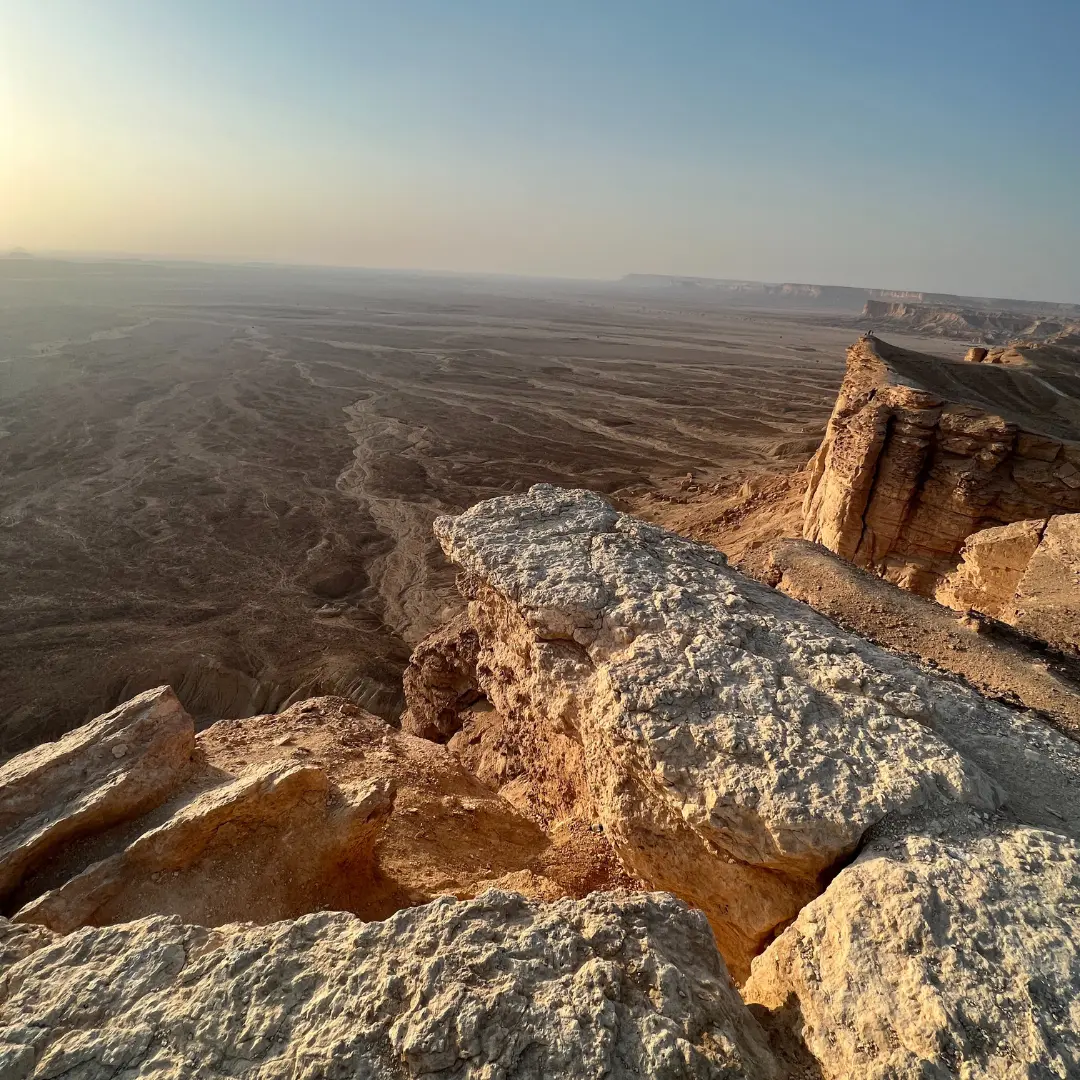
Edge of the World
So what can Western brands actually learn from “Let It Fly”?
Three things.
- Solve a real friction your customer is already feeling, not the one your marketing team invented in a quarterly offsite.
- Build the campaign so the artifact does the work in the world. If your campaign needs paid media to spread, the campaign is not finished.
- Trust your culture to travel without explaining it. Over-explanation is the visible seam of insecurity.
If you cannot do those three things in your home market, you are not ready to do them in Saudi. And the Gulf is increasingly the audience of audiences for global brand work.
Back to the woman at the check-in counter.
She is not an ambassador. She did not sign up for a campaign. She is a tourist who fell in love with a brass tray and a hand-painted bowl, and now her suitcase has a small green sticker of Historical Jeddah on it that paid for the weight.
Two months later that sticker will be in a photograph at Heathrow. A friend will ask her about Saudi. She will tell them the story. The sticker will be in 22 countries by then. Possibly 30.
That is the marketing campaign.
That is also why companies asking should we be in Saudi? are asking the wrong question. The right question is: are we ready for what Saudi is now?
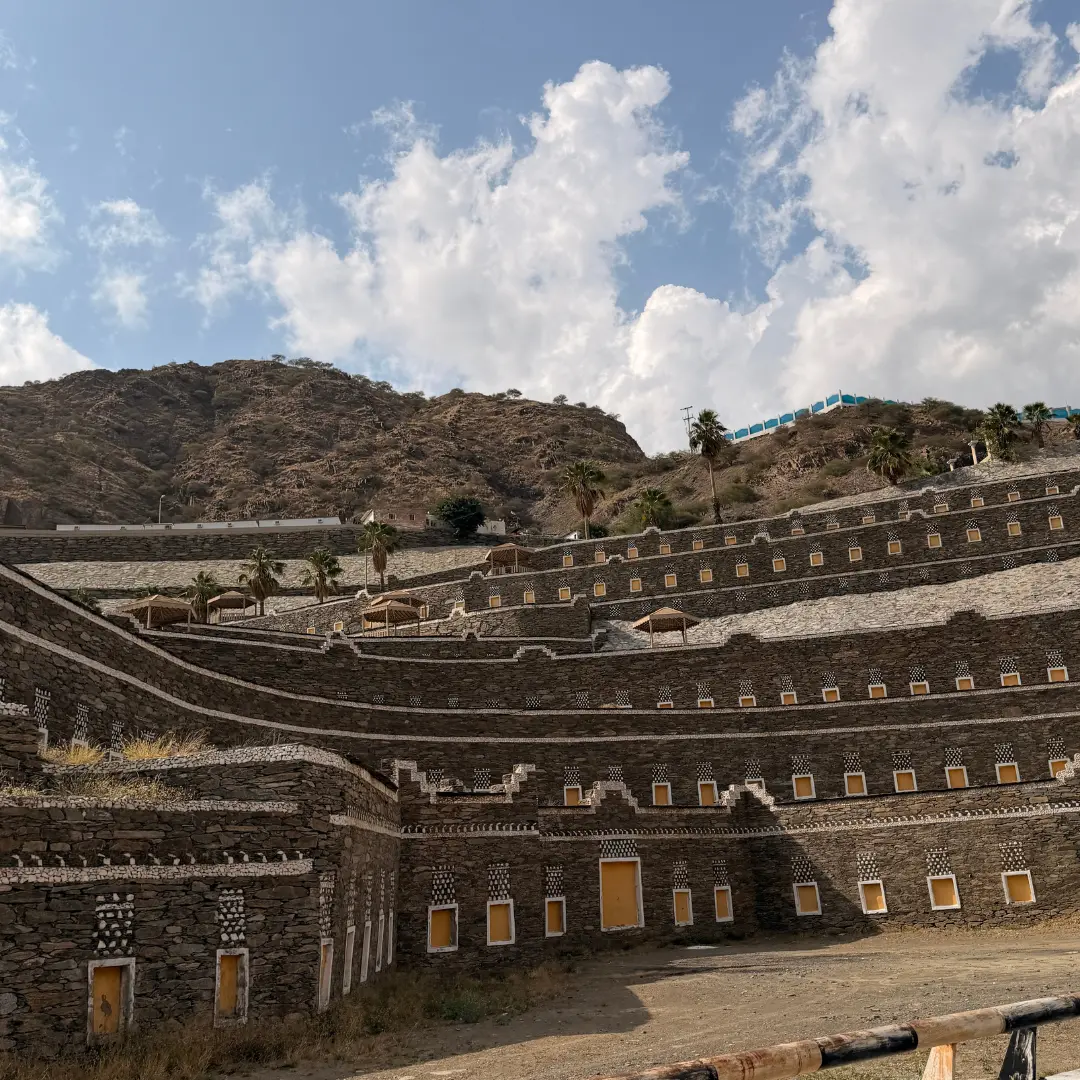
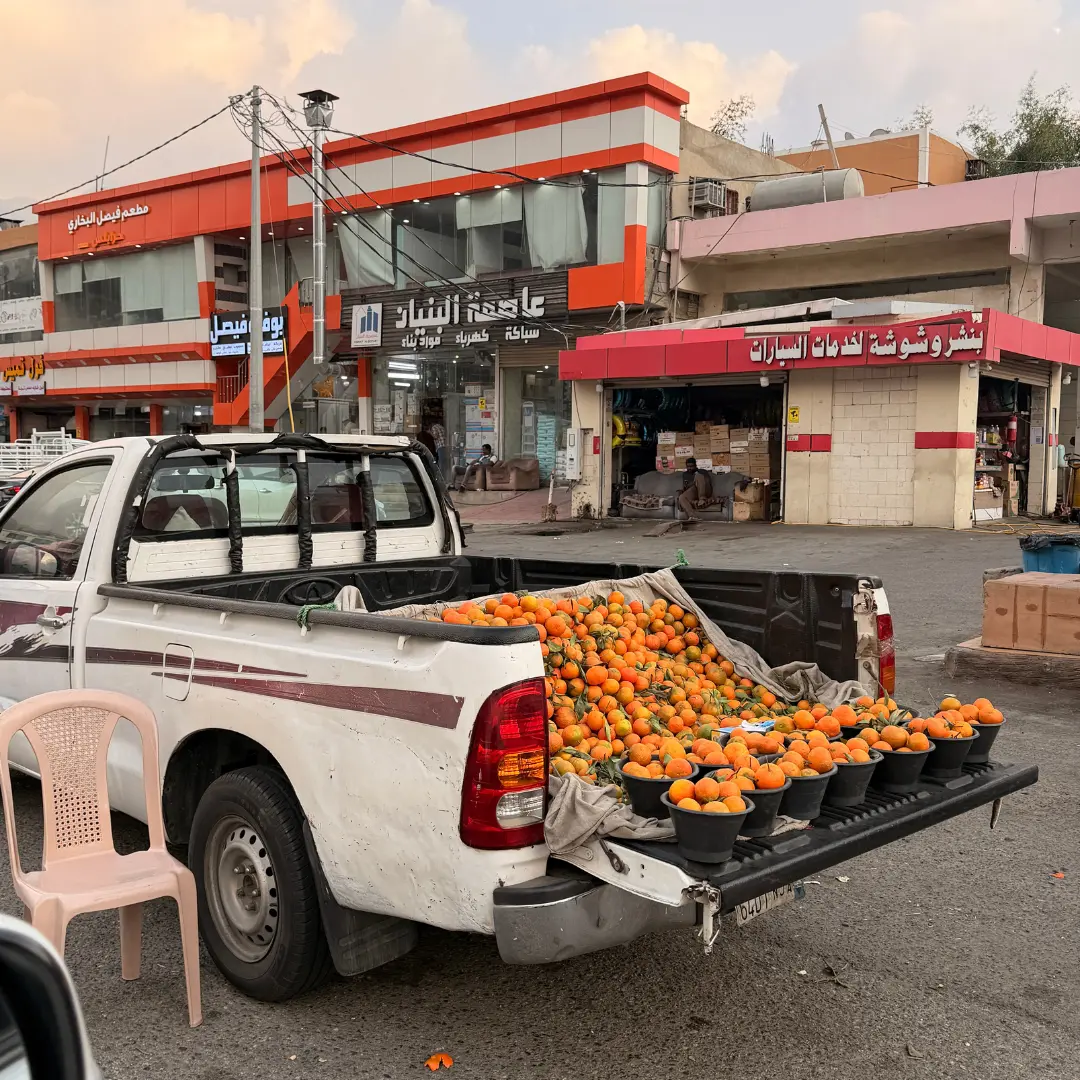
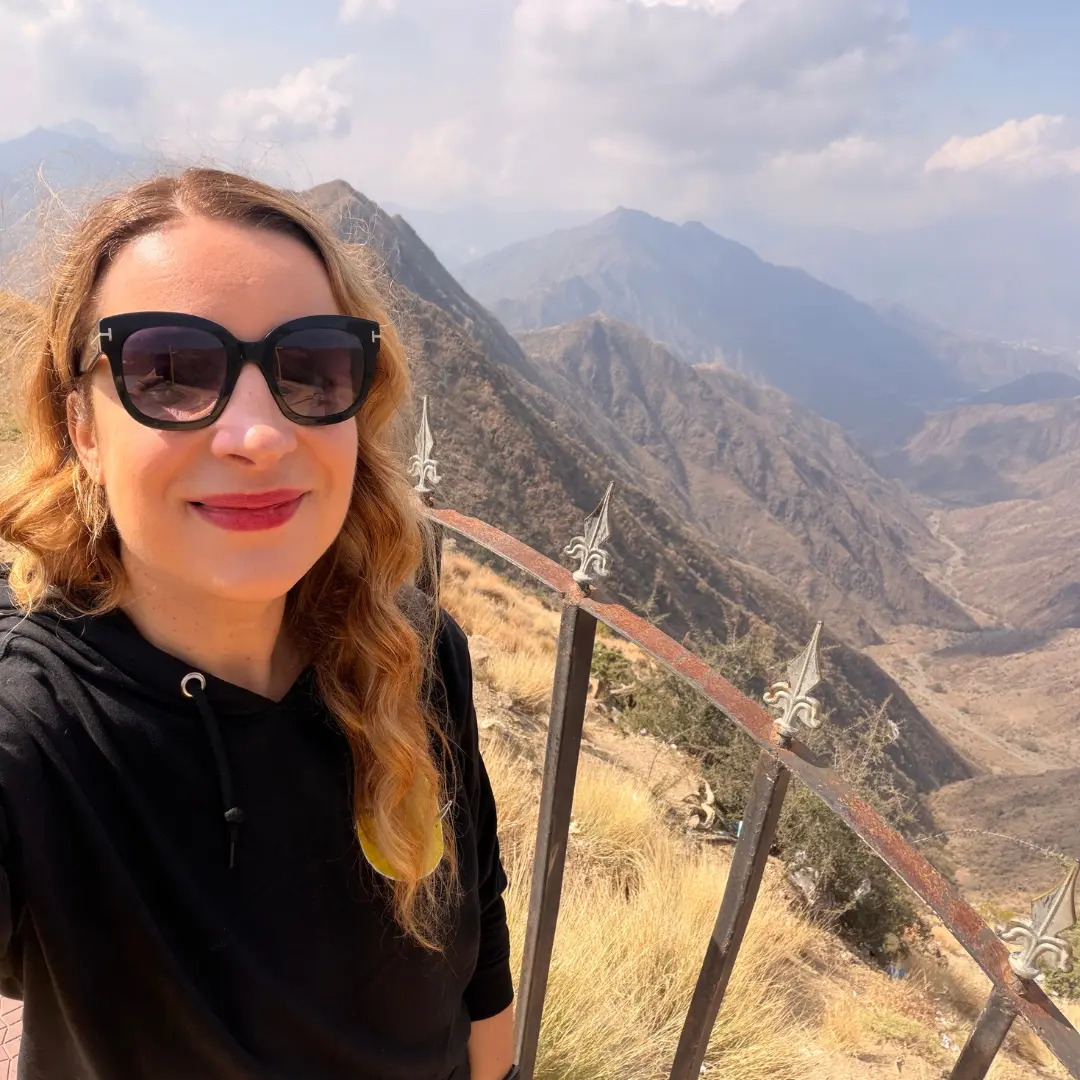
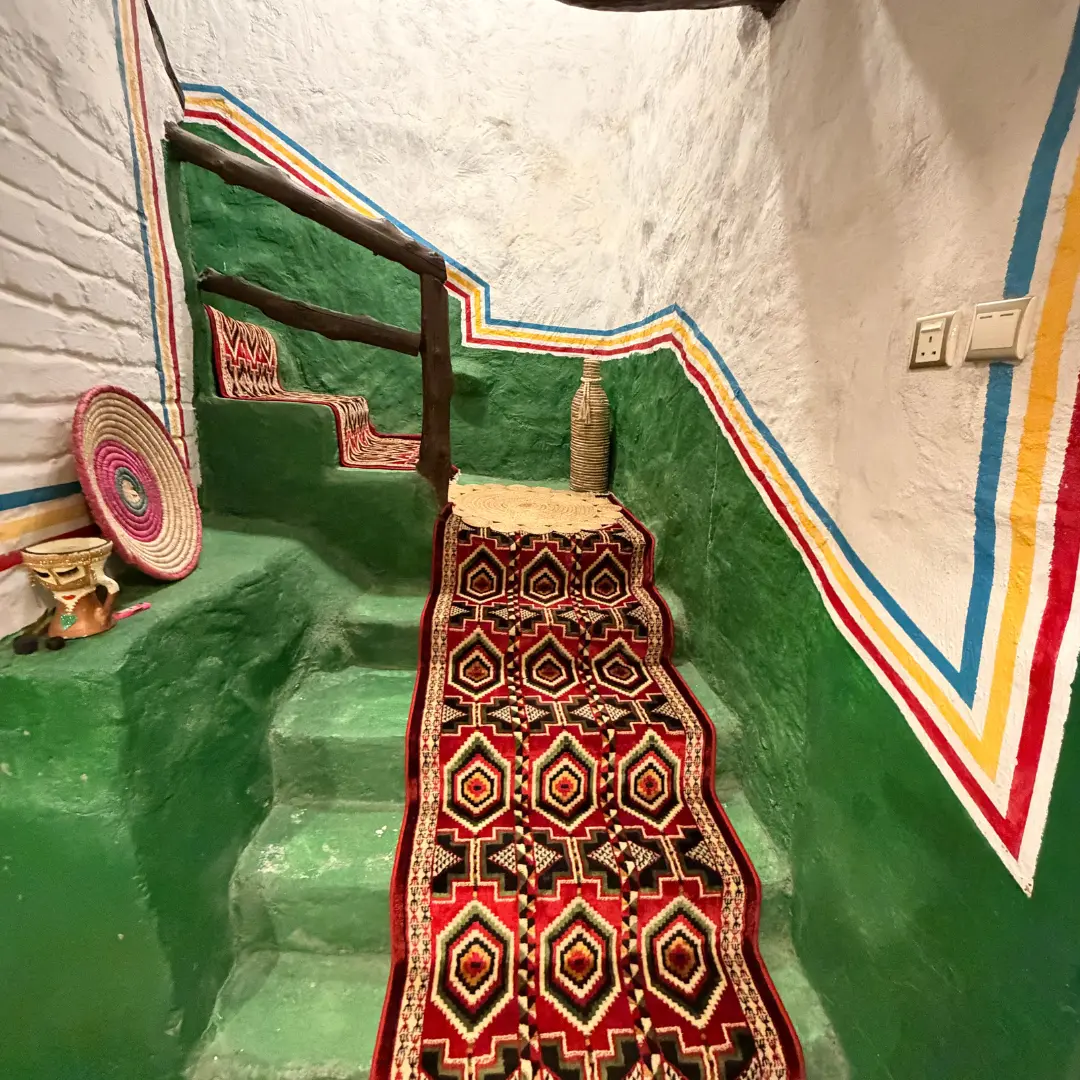
Aseer
Here is what you need to ask yourself now
If you are a Western business trying to answer that question — a luxury brand entering the Kingdom, a tourism board competing with this kind of work, a consulting firm advising clients who are, or an executive about to walk into a meeting in Riyadh next month — you are exactly who I built the Gulf Desk for.
The Gulf Desk is a private advisory line for Western leaders who need correct, specific, current Gulf intelligence. Not the polished AI summary. Not the McKinsey deck. Not the Western media framing. Real cultural and commercial context, the way the Saudi side actually thinks about it.
One focused conversation. Real intelligence. No fluff.
But if you have a Saudi conversation on your calendar this quarter — and you do not want to be the deck that gets a thank you for coming — book a discovery call here.
The bar has moved. The good news is that the work to meet it is learnable. You just need someone in the room who has spent years on the Saudi side of the table, watching Western teams get this right and watching them get it wrong.

Corina is a Middle East Strategist and Founder of Star-CaT. Over the past 20 years, she's helped thousands of clients overcome their anxieties and misconceptions about the Gulf region, and take advantage of the incredible opportunities available to them.

Related Posts
This Post Has 0 Comments