
Why Oman Is Quietly Open for Business While Everyone Else Is Watching the War
Everyone is watching the headlines. And fair enough — the headlines are significant.
But while Western professionals are pausing Gulf strategies, cancelling exploratory trips, and waiting for “things to calm down,” Oman is doing something different. It is quietly getting on with business. More than ever before.
Quietly. Deliberately. In exactly the way Oman always has.
This is not naive optimism. This is not wishful thinking from someone trying to sell you a Gulf trip. This is what the data, the deal flow, and the infrastructure moves of the last few weeks are actually showing — if you are paying attention.
Why Oman Is Different — And Has Always Been Different
To understand why Oman is less affected by the current regional conflict than its neighbours, you have to understand Oman’s diplomatic DNA.
Oman does not pick sides.
That is not a criticism. It is a strategic masterpiece that has been decades in the making. Under the late Sultan Qaboos — and continued under Sultan Haitham bin Tariq — Oman has maintained open diplomatic channels with virtually every party that others refuse to talk to. Oman has been the Gulf’s back channel. The quiet room. The place where messages get passed and deals get done when the front doors are closed everywhere else.
That diplomatic positioning is not accidental. It is the result of a consistent, decades-long foreign policy of non-interference and active neutrality. And right now, in the middle of a regional conflict that has disrupted shipping lanes, created air space complications, and rattled nerves from Bahrain to Brussels, that neutrality is worth billions.
The Green Corridor: Oman Becomes the Gulf’s New Trade Hub
Here is the news that most Western professionals have missed entirely.
On 14 March 2026, Dubai Customs issued Notice No. 04/2026, activating a temporary “green corridor” between Omani ports and Dubai’s Jebel Ali Port. Cargo originally destined for Jebel Ali — diverted to Omani ports due to current shipping disruptions — can now move rapidly to Dubai via bonded land transport, with simplified customs procedures agreed between both countries’ customs authorities.
Read that again.
Oman is now the official alternative gateway for cargo that cannot get to Jebel Ali directly. Containers arrive at Omani ports, complete streamlined customs processing, and move overland to Dubai in bonded trucks. The Oman Observer reported that the arrangement also covers certain air cargo diverted through Oman, and that both customs authorities moved to implement it within days of coordination beginning.
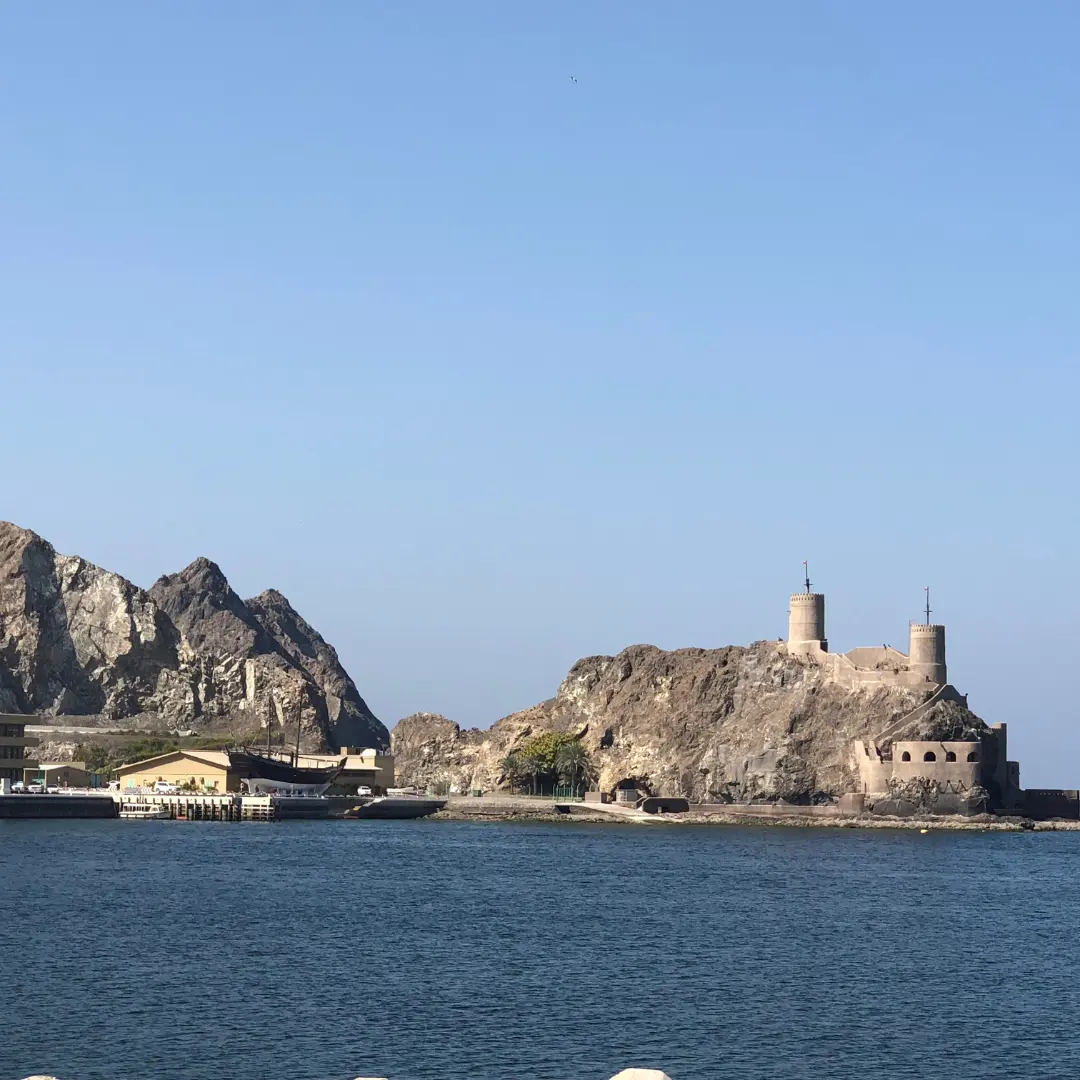
This is not a workaround. This is formal trade infrastructure being activated in real time, with regulatory frameworks in place and both governments fully aligned. For logistics companies, freight forwarders, and any business with supply chains touching the Gulf, this is significant. Oman’s ports — Salalah, Sohar, and Muscat’s Port Sultan Qaboos — are not backup options in a crisis. They are now formally integrated alternative hubs with direct land connectivity to the UAE’s main distribution centre.
The professionals who understand this are already having conversations with Omani logistics providers. The ones watching the news waiting for things to settle are not.
The Infrastructure That Was Already There
Here is what makes this moment different from a scramble. Oman did not become relevant overnight. The infrastructure that makes it functional as a trade alternative was built long before any conflict created the need for it.
Sohar Port — positioned on the Gulf of Oman rather than the Arabian Gulf — has been quietly expanding its capacity for years. It sits outside the Strait of Hormuz. That geographic fact, which felt like a footnote during years of stable shipping, now looks like strategic genius.
The Muscat-Sohar Expressway, the road connections to the UAE border at Hatta and Al Ain, and the logistics zones that have developed around Sohar Industrial Port give Oman genuine land-connectivity infrastructure. This is not a country pulling together improvised solutions. This is a country that built its secondary infrastructure with enough foresight that it now functions as primary infrastructure for regional trade.
Meanwhile, as the Emirates 24/7 reported recently in a piece on Gulf resilience — the broader lesson from this moment is precisely this: the region’s most valuable assets are the ones that were built before anyone thought they’d be needed. The UAE’s 380-kilometre crude oil pipeline to Fujairah, bypassing the Strait of Hormuz entirely. The underground oil storage carved into rock at Fujairah holding tens of millions of barrels of reserve. Etihad Rail’s national network connecting the Saudi border to the Indian Ocean coast.
Oman fits the same logic. The infrastructure was not built for this conflict. It was built for any version of the world that might require an alternative. That version of the world has arrived.
What Is Actually Happening on the Ground in Oman
Let’s be specific. Because “Oman is stable” is too vague to be useful.
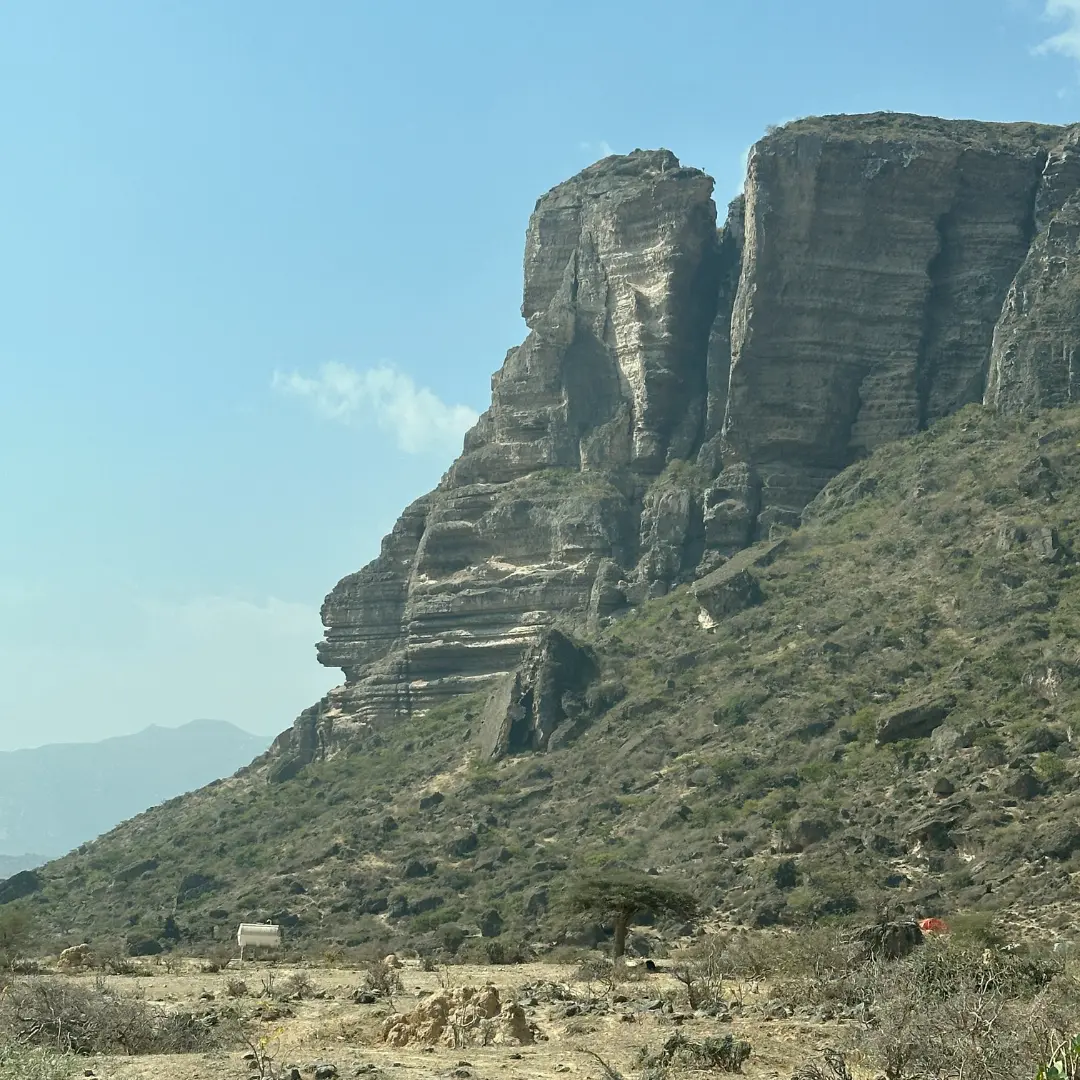
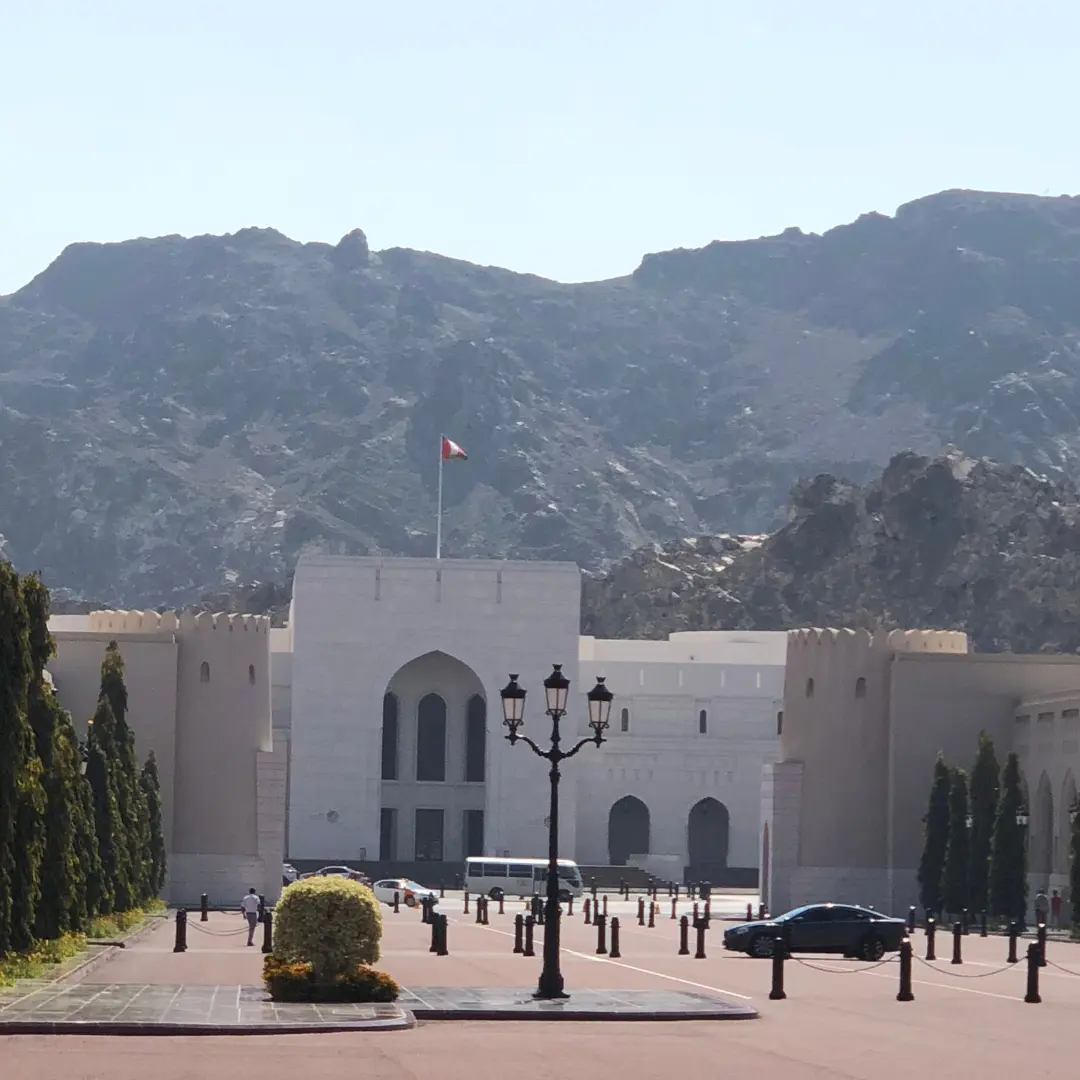
Muscat is operating normally. Government departments are functioning. Business meetings are happening. Project timelines are moving. The Vision 2040 diversification programme — Oman’s equivalent of Saudi Vision 2030 — is actively driving investment across tourism, logistics, manufacturing, and green energy.
The Duqm Special Economic Zone, one of the most strategically located industrial zones in the world (on the Arabian Sea, outside the Gulf entirely), continues to attract investment. British, European, and Asian firms have been building positions there for years — precisely because of its geography and its distance from Gulf flashpoints.
Oman’s tourism sector, which has been growing consistently, is not seeing the collapse that headlines might suggest. Europeans and Asians who have paused UAE trips are, in some cases, routing through Muscat instead. Oman has invested heavily in hospitality infrastructure — the Marsa Al Seefah development, the expansion of Muscat International Airport, the growing number of five-star properties in Muscat and Salalah — and that investment is being tested right now in the most direct way possible.
It is holding.
The Diplomatic Channel That Never Closed
There is one more dimension to Oman’s current position that deserves attention, even if it rarely makes it into the business press.
Oman has historically served as the back channel between Western governments and regional actors that cannot formally communicate. The nuclear negotiations that led to the 2015 Iran deal were brokered, in significant part, through Muscat. Oman hosted US-Iran talks. Oman has maintained its embassy in Tehran throughout periods when other GCC nations have severed relations.
This gives Oman a role in the current conflict that no other GCC state can play. It is not a combatant. It is not a base of operations for any side. It is a channel — and channels become more valuable, not less, during active conflict.
For Western businesses trying to maintain relationships, move goods, and make sense of a region in flux, having Oman as a stable, diplomatically neutral hub is not a nice-to-have. It is an asset.
What This Means If You Are a Western Professional or Expat
If you have been broadly pausing your Gulf strategy because of regional instability, I understand it. The instinct to wait is human. But waiting without differentiating between Gulf markets is costing you.
The Gulf is not one thing. It never has been.
Saudi Arabia is pressing ahead with Vision 2030 projects at remarkable speed — as we have covered before, the professionals who understand how to navigate Saudi business culture are still closing deals. The UAE’s established players are still hiring, still expanding, still moving. And Oman — the market that many Western professionals have always underestimated because it is quieter, less showy, less headline-grabbing — is now sitting at the centre of a regional trade realignment.
If your business touches logistics, supply chain, energy, tourism, or green infrastructure, Oman in 2026 deserves serious attention. Not speculative attention. Serious, informed, strategically prepared attention.
That is where cultural and commercial intelligence matters most. Because Oman’s business culture is not the same as the UAE’s. Muscat is not Dubai. The relationship-building logic, the meeting etiquette, the pace of decision-making, the role of wasta (influence and connections), the expectations around hospitality — these have all their place for Oman too.
If you want to understand the cultural framework that underpins business across the GCC — including Oman — the Gulf Etiquette Success Playbook covers the full picture. Not generalisations. Specific, practical guidance on how Gulf business actually works.
For ongoing intelligence — because this situation is moving fast and what is true in March may look different by May (and which events and trade shows get moved to when) — the Gulf Intelligence Membership gives you business briefings, etiquette cheat sheets, the full 2026 trade show and events calendar, and ready-to-use email scripts, all built for Western professionals operating in this environment. £37 per month. Cancel anytime.
And if you have a specific, time-sensitive opportunity in Oman or elsewhere in the Gulf right now — a trip being planned, a relationship at a critical juncture, a proposal that needs to land right — a Power Hour with Corina gives you direct, tailored advice from 20+ years of Gulf business experience.
The Professionals Who Win in Moments Like This
There is a pattern I have seen repeat itself across the Gulf over two decades.
When disruption hits, two types of professional emerge. The first waits. They pause, they monitor, they tell themselves they are being prudent. The second reads the market more carefully — they differentiate between what is actually disrupted and what is not, they identify where the opportunity has moved, and they show up.
The second group does not always have more resources. They often just have better intelligence.
Right now, Oman is open. The green corridor is active. The infrastructure is functioning. The diplomacy is holding. And most of your competitors are watching the news and waiting for certainty that will never fully arrive.
The Gulf rewards presence. It always has.
Frequently Asked Questions
Is it safe to do business in Oman right now? Oman is not a party to the current regional conflict and has maintained its position of diplomatic neutrality. Muscat and the main business centres are operating normally.
Why is Oman less affected by the Gulf conflict than other GCC states? Oman’s decades-long policy of diplomatic neutrality — maintaining open channels with all regional parties — means it has not been drawn into the conflict. Its geographic position, with ports on the Arabian Sea outside the Strait of Hormuz, also insulates it from some of the shipping disruption affecting Gulf-facing ports.
What is the Oman-Dubai green corridor? A trade facilitation arrangement activated in March 2026 between Oman’s Directorate General of Customs and Dubai Customs. It allows cargo diverted from Jebel Ali to Omani ports to move quickly to Dubai via bonded land transport under simplified customs procedures.
Which Omani ports are most relevant for diverted cargo? Sohar Port (on the Gulf of Oman, outside the Strait of Hormuz), Port of Salalah, and Port Sultan Qaboos in Muscat are Oman’s main commercial ports handling regional and international cargo.
Is Oman part of Vision 2030? Oman has its own national development programme — Oman Vision 2040 — which is driving diversification away from oil dependency across tourism, logistics, manufacturing, fisheries, and green energy sectors.
How is Oman’s business culture different from the UAE’s? Muscat is significantly less transactional than Dubai. Decisions take longer, relationship-building requires more sustained investment, and the cultural protocols — around hospitality, hierarchy, and communication — have their own distinct character.
The Bottom Line
Oman is not making noise about this. That is entirely consistent with its character.
But if you know where to look, the signals are clear. A new trade corridor activated in days. Ports functioning as regional alternatives. Infrastructure that was built for exactly this kind of moment. A diplomatic position that every other Gulf state would currently give a great deal to have.
The professionals who will look back at 2026 and say they capitalised on the Gulf are not the ones who waited for the all-clear. They are the ones who understood the region well enough to know that the all-clear is not a single moment — it is a moving picture that rewards those who keep watching and keep showing up.
Start with the Gulf Intelligence Membership — £37/month, cancel anytime — and get the monthly intelligence that means you are never the last person in the room to know what is actually happening in the region.

Corina is a Middle East Strategist and Founder of Star-CaT. Over the past 20 years, she's helped thousands of clients overcome their anxieties and misconceptions about the Gulf region, and take advantage of the incredible opportunities available to them.

Related Posts

This Post Has 0 Comments