
The Resilience Shift: Nearly Twenty Years in the Middle East and What It Taught Me About Connection, Culture and Becoming
I first travelled to the Middle East in 2007. At the time, it was straightforward. It was work. A flight, a hotel, a meeting room, a schedule. I treated it like a project. Fly in. Do the job. Fly out. Collect the points. Repeat. I never imagined that those early trips would become one of the most meaningful threads in my life.
That is the thing about certain places. You arrive thinking you know why you are there. Then the place teaches you something else entirely.
For me, the Middle East became a second life. Not a permanent one, not a dramatic one, but a life built from small moments that stay with you long after you leave. A coffee that turns into a two-hour conversation. A driver who becomes a friend. A client who becomes family. A city that starts to feel familiar in a way you cannot quite explain to people at home.
People often talk about the Middle East as if it is one thing. One place. One story. It is not. It is many countries, many cultures, many languages and many ways of being. Gulf cities that feel like the future. Old neighbourhoods where time slows down. Desert that makes you quiet inside. Mountains that make you feel small in the best possible way. Sea that makes you want to stay an extra day.
And through all of it, one thing stands out every time. Hospitality. Not the polite kind. The real kind. The kind that costs something. Time. Effort. Care. Presence. It took me years to understand what I was being taught.
Slow Down and Start with People
When I first started working in the region, I rushed. I pushed for the agenda. I treated meetings like checklists. I thought efficiency was the goal. Then I watched how the best people worked. They started with people. They asked about your family. They remembered names. They made space. They offered food. They offered help. They offered their time.
And somehow, the work got done better. Not despite the human connection. Because of it.
Researchers call many Middle Eastern cultures high context. Places where relationships matter as much as the task. Where trust is built through presence, not pressure. Through meals, not memos. Through showing up, not showing off.
It sounds simple. It is not. It takes patience. It takes warmth. It takes attention. It takes the willingness to see the person in front of you, not just the outcome you want from them. I learned that slowly, and sometimes the hard way. But once you learn it, you cannot unlearn it. It changes how you work everywhere.
Hospitality as a Value, Not a Gesture
In many parts of the Middle East, hospitality is not a performance. It is a duty. A pride. A way of honouring someone’s presence. It is woven into the culture in a way that is hard to describe until you feel it.
I have been invited into homes. Fed when I did not even know I was hungry. Picked up at odd hours. Checked on, just because. No hidden angle. No transaction. Just care.
There is research that backs this up. Strong social ties are one of the biggest predictors of well‑being. Not status. Not money. Not the perfect life on paper. Connection.
The Middle East gave me connection in a way I did not expect. It also gave me perspective. It taught me to slow down. To listen longer. To show respect before trying to be impressive. To understand that safety is not only about crime statistics. It is about how you feel walking around. How you feel being a guest. How you feel being welcomed.
The Landscape That Holds You
One of the things I love most about the region is how the landscape changes you. The desert makes you quiet. The sea makes you softer. The mountains make you humble. The cities make you curious.
But the landscape taught me something deeper during one of the hardest moments of my life.
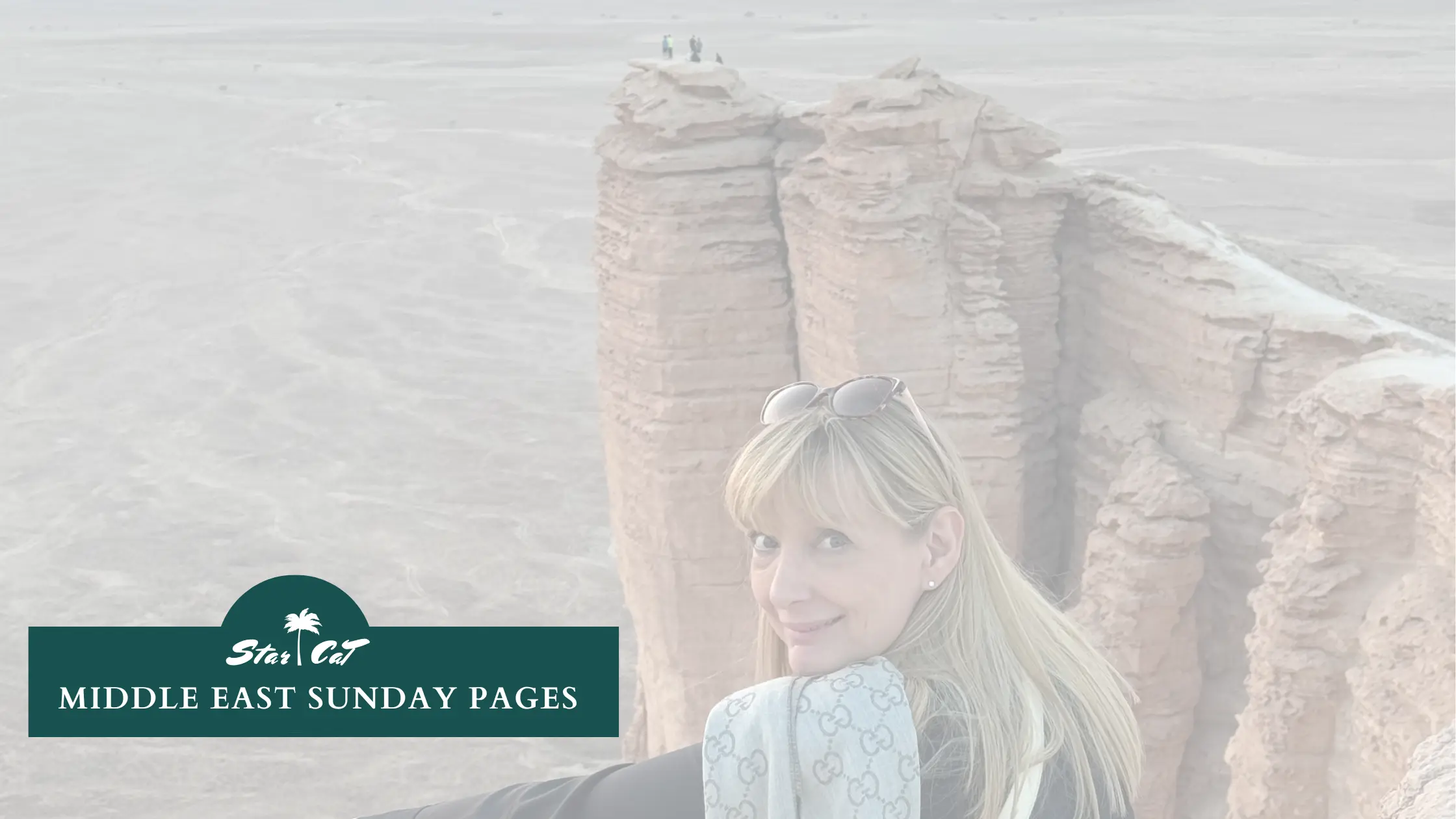
After losing my childhood friend, I found myself travelling to Saudi Arabia for work. It was not a trip I had planned emotionally, but it became one I needed. A suggested visit to the Edge of the World near Riyadh changed everything.
Standing there, on the cliff that drops into an endless horizon, I felt something I had not felt in months. Stillness. The kind that does not ask anything of you. The kind that holds you without words. The kind that reminds you that grief is not a collapse, it is a recalibration.
The landscape was vast, ancient and unmoving. It made my loss feel both enormous and somehow held. There is a strange comfort in standing somewhere that has existed for millions of years. It puts your pain in perspective without diminishing it. It gives you space to breathe again.
That moment taught me that the Middle East is not just a place you visit. It is a place that meets you where you are. A place that can hold your joy, your ambition, your exhaustion and, when life demands it, your grief.
Friendship in the In Between Places
There is something about travelling for work that accelerates connection. You see people tired, jet lagged, under pressure, trying to solve problems, trying to make things work. You stop performing. You become human. And when someone is kind to you in those moments, it stays with you.
Some of my closest friendships were born in airports, hotel lobbies, late night debriefs, early morning coffees and the quiet moments between meetings. There is a particular intimacy in being far from home with people who understand the work, the pace, the expectations and the exhaustion. You see each other clearly. And that clarity builds trust.
Dubai is the perfect example of this. The two Coffee Mornings we held there were not born from strategy or planning. They were born from friendships. Women in media and hospitality who started as work contacts and became the people I would message first when I landed. People who opened doors, shared their networks and said, let us build something here.
Those mornings happened because of connection, not convenience. They were created by women who understood the value of gathering, of talking honestly, of making space for each other in a city that moves fast and works hard.
The same friendships led to the podcasts I recorded there. Conversations that were never meant to be content, just two people talking about life, work, identity and the parts of ourselves we often hide. The kind of conversations that only happen when you trust someone enough to be unpolished.
Travel strips away the layers. It shows you who people are when they are tired, stretched, hopeful, frustrated, ambitious and human. And when you build friendships in those conditions, they tend to last.
Those Dubai mornings, those podcast conversations, those friendships across time zones and terminals, taught me that community is not always built at home. Sometimes it is built in the in between places. Sometimes it is built in the moments when you are far from everything familiar and someone makes you feel grounded again.
Let a Place Teach You Who You Are
Nearly twenty years of travelling to the Middle East has taught me something I did not expect. If you want to understand a place, stay long enough to be known. Not just to know it, but to be known by it.
Because when a place knows you, it reflects you back to yourself. It shows you what you rush through. What you avoid. What you value. What you need. What you have outgrown.
For me, the region became a mirror. It showed me that I had been moving too fast. That I had been treating relationships like tasks. That I had been performing strength instead of living it. That I had been confusing efficiency with connection.
It also showed me resilience. Not the loud, heroic kind. The quiet kind. The kind that lives in patience, in generosity, in community, in the ability to hold space for others without losing yourself.
Belonging in More Than One Place
People often assume belonging is singular. One home. One identity. One place where you fit. But belonging can be plural. You can belong in more than one place. You can have more than one home. You can be shaped by more than one culture.
The Middle East became one of my places. Not because I lived there. Not because I planned it. But because I allowed myself to be present long enough for connection to grow.
Belonging is not about geography. It is about recognition. It is about being seen. It is about being welcomed. It is about feeling safe enough to exhale.
Respect as a Universal Language
If there is one thing the region taught me above all else, it is this. Respect is a universal language. You do not need to speak Arabic to show respect. You do not need to understand every cultural nuance to show respect. You do not need to get everything right to show respect.
You just need to be willing to learn. To listen. To slow down. To honour the people in front of you. To understand that relationships are not a step in the process. They are the process.
Let Yourself Be Changed
Travel changes you if you let it. Not in the postcard way. In the human way. It softens you. It stretches you. It humbles you. It teaches you to see the world through more than one lens.
The Middle East changed me. It taught me resilience. It taught me connection. It taught me patience. It taught me presence. It taught me that the best work happens when you start with people, not tasks.
And it taught me that if you want to understand a place, you cannot rush through it. You have to stay long enough to be known.
The Real Work Is Human
After nearly two decades of travelling to the region, here is what I know for sure. The real work is human. The real impact is human. The real memory is human. The real transformation is human.
The Middle East gave me that. Not through grand gestures, but through small moments. Through kindness. Through connection. Through hospitality that felt like care, not performance.
It taught me that resilience is not about pushing harder. It is about grounding deeper. It is about knowing who you are, what you value and how you want to show up in the world.
It is about letting yourself be shaped by the places and people who meet you with generosity. And it is about remembering that the best parts of life are rarely the ones you planned.

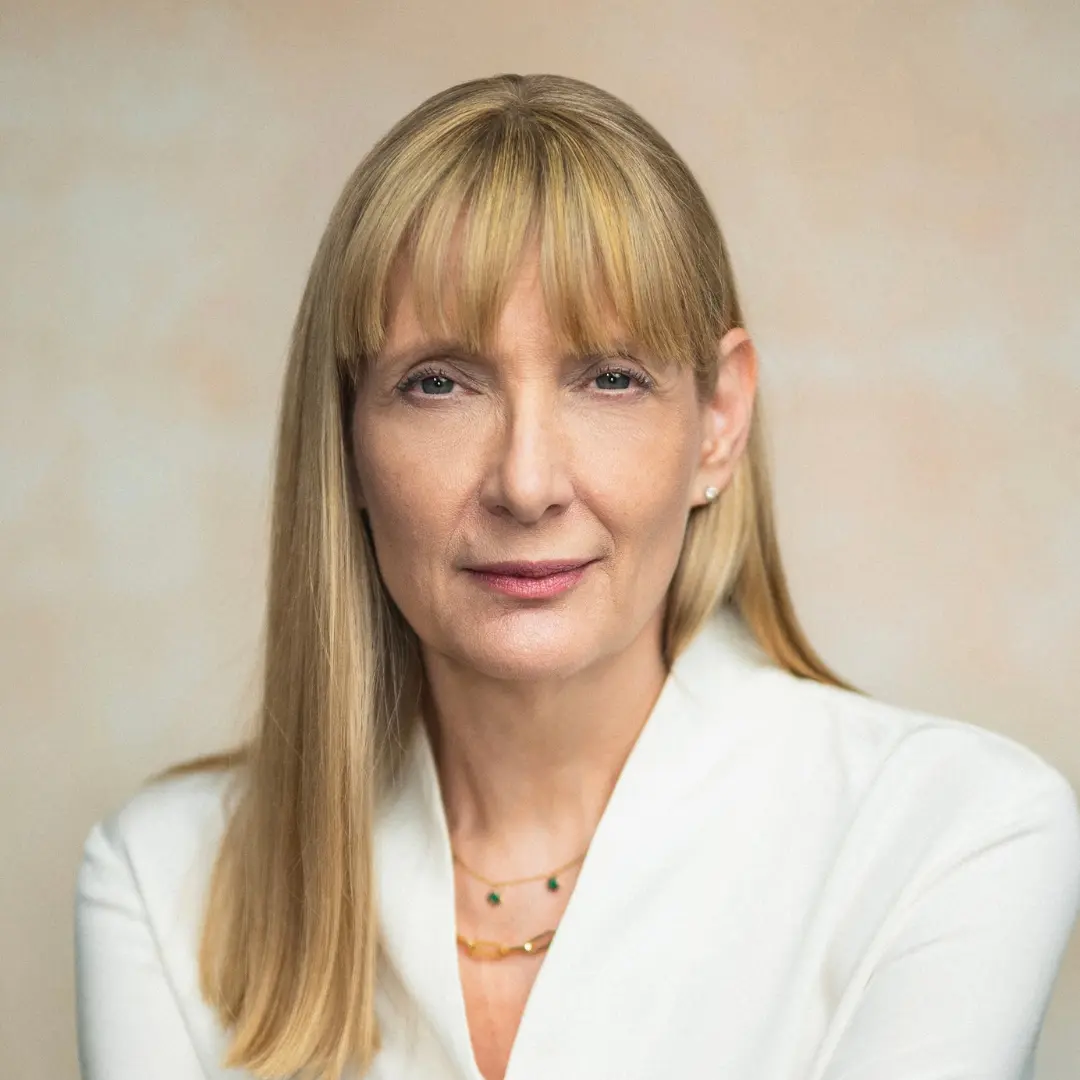
Rachelle Peterson is the Founder and CEO of LOQIA Group, a specialist B2B consultancy advising global media, hospitality and travel brands on commercial growth and content partnerships. Her career spans senior roles at WarnerMedia, Sky, DAZN and CNN, where she led international distribution strategies across major markets, including the Middle East.
Rachelle is also the creator of Rebound & Rise, a women’s community focused on confidence, reinvention and intergenerational connection. Her long relationship with the region has shaped her work as a speaker, moderator and advisor, and continues to influence her thinking on culture, resilience and how people connect across borders.
Rachelle can be reached at rachelle@loqia.com
This Post Has One Comment
Leave a Reply to Page Petry Cancel reply
Related Posts
What a wonderful reflection. Thank you Rachelle for reminding us of the importance of slowing down as we travel. Travel opens doors and creates opportunities that are life changing and inspiring. The Middle East was your gateway and so glad you shared.